Settling into Summer

Fresh green growth on the sage

This is likely the end of warm days and cool mornings.

Pretty soon we’ll have to seek shade before noon. For now, soaking in some solar energy is a pleasant respite. 

There were two trips to the Crooked this week.

This weather brings out Mayflies, as well as mosquitos. That was the excuse used, but there’s little reason needed to set out chairs and picnic along a stream.

Working a new riffle

The fishing was adequate, but the weather was superb.

The wildflowers have shifted from large yellow and white petals, to tiny blossoms in shades of purple and blue, with an occasional flashy daisy.

The Kestrals are still very protective, ganging up an any large raptors even just flying along the water. We saw them knock an osprey off a tree limb, easily sending it on his way.

The geese are raising goslings, and ducks are always trailing a brood amid the tall grasses at streams edge.

An abundant run off left lush growth and great habitat for birds and water fowl.

One of the trips to the river was an afternoon drive.

We were trying to hit an evening hatch and some dry fly fishing. There were lots of strikes, but not a lot of hookups. I got in my casting practice though. 

Aster

Campers are getting more common, which makes it hard to find secluded spots.

Headed back to camp after checking on the fisherman.

With campgrounds filling, we’ll move to different locations (primitive sites) and wait for fall to return to the river in less crowded conditions.

But then  .  .  .  that’s all part of settling into Summer.

Pockets full of Rocks

Rockhounding usually involves scrambling up hills

While many of our posts are about fishing, that’s not the only thing we enjoy.   We usually have a small menu of activities to choose from, while out on an adventure. 

Wandering the high desert of Central Oregon, it’s impossible NOT to marvel at its geological features. The streams we sit along, spent the last millennia cutting out those basalt-rimmed canyons.

High cliffs of Sutton Mountain, near Painted Hills, Oregon

The Cascade Range to the west and the sage steppe to the east of us is a landscape of volcanic oddities.

The “Wave” at Fort Rock

Central Oregon’s northern expanse of the Great Basin took shape about three million years ago (Pliocene epoch).

Volcanic eruptions and the formation of shallow lakes deposited the material that is fodder for rock hounders today. 

We’ve been picking over rock formations, digging pits and screening gravel beds for years.

It’s rare that we’ll come back from an outing without some samples in the back of the car.

Simple but essential gear

This week the focus of our trip was on rockhounding.

These June days are still cool enough to make scraping back layers of dirt and shifting through buckets of gravel bearable. 

The journey was pulled from one many geology related books occupying space on our shelves.

Rockhounding Oregon and Roadside Geology of Oregon are constant references when planning these early summer excursions.

In this case, a land owner allows access to BLM land across their property

This time around  .  .  .  our destination is Congleton Hollow and it’s 640 acres of BLM land which is open to rock collecting. 

Limb Casts are the target.  When a lava flow engulfs a forest the encased tree limbs turn to ash leaving a cavity which is eventually filled with minerals that over millions of years become agates.

Green and pink stones with distinct wood grain and sometimes bark patterns are the prize. But that reward is hard dug and often results only in fragments.

High Desert roads are edged in carpets of Lupine

The South Fork of the Crooked River runs along the lower reaches of Congleton Hollow. The upper slopes, where most of the rock searching takes place, are bare except for a scattered few juniper trees.

There are shade and grassy meadows at the base of the hill, on the banks of a lazy flowing stream.  

JQ has just the spot for this ‘boulder’ and she ferried it across a wide expanse to load it in the back of the car

We didn’t find a lot of Limb Casts, though JQ did lug back a large, stratified rock.

There’s no need for buckets of agates, and the point is to explore spaces. However, we always manage to leave with some rocks in our pockets. 

Summer Ritual

Grasses against a backdrop of riparian green.

For many years (due to my teaching schedule), summer didn’t begin until the second week in June. While that constraint came off when we retired, this week’s heatwave really felt like the start of summer.

There were a string of eighty degree days this week, matched with a dozen small wildfires. It feels like summer (our new norm).

A kestrel preens during a brief stop on a busy feeding schedule

A few things shift for us when the weather warms up.

Primarily our schedule  .  .  .   early starts to the day and early ends. This practice has two advantages; first it gets the active part of our day away from the heat, but it also tends to keep us away from the hordes.

Keeping an eye on things

About the time people start showing up on the river, we’ve had a choice of parking spots, a couple of hours of fishing, and lots of peace and quiet.

That is how we managed this week’s trip to the Crooked River.

Lupine seems to like the gravel edges of forest roads

Most of the spring wildflowers have been reduced to leafy stems, replaced with hardier summer varieties.

Lupine for example, is in full bloom on nearly every gravelly borrow pit. It lines our route with a carpet of purple and blue hues.

Casting over an evening hatch

Fishing was better this week. The river has settled into its summer flow and fish are taking up their usual holds.

Witnessed the kestrel pair fight off a bald eagle with incredible acrobatics. The falcons harried the eagle, and at one point, one plunged from above onto the back of the eagle hitting with ferocious impact.

The kestrels were in full hunt mode, stopping only long enough to drop off some tasty bits for the fledglings, before swooping back up the canyon walls.

By the time the breeze was starting to loosen it’s cooling power, a small group of picnickers set up a few hundred feet from us. That was our cue to load up and head for home.

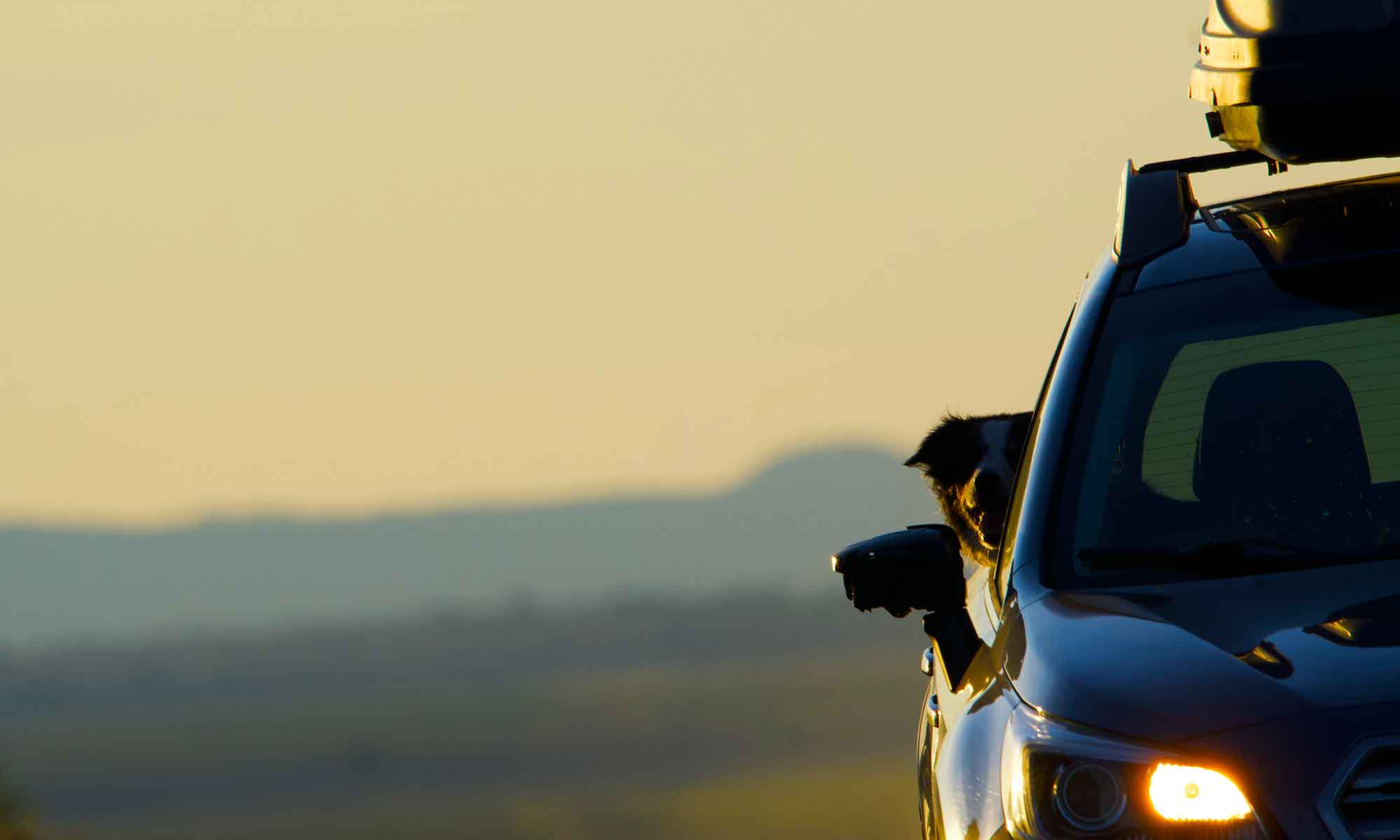
And, what are you looking at?

Daytime temp, even on the river, was just over eighty and climbing. We’ll be back again during the cool of another morning.

June’s first river trip

A study on lichen and Border Collies

Summer is in full blaze. The week is getting progressively warmer and we’ve already had a couple of small wildfires.

There are more places to go than days in the week. Plus, we kind of like to have a rest day between excursions.

That means we can do home-based errands when not on the road and in theory, stuff gets done.

Deschutes Canyon upstream from Blue Hole

One of the drives this week was up to Maupin to check out the Lower Deschutes before the rafters take over.

We kind of missed the Salmon Fly hatch this year  .  .  .  not sure what else we were up to.

Headed to the river

The tail end of the hatch was last week, so we thought I might get some ‘big bug’ action.

There were no large stone flies on the river’s banks, so we resorted to other patterns. Caught a few little guys and had a great hike along the river.

Waiting on lunch

The day was clear with a cooling breeze. We sat out the chairs along the road’s edge and enjoyed the morning.

By noon I’d gotten in plenty of casts and the place was filling up.

Family outing

This was likely our last trip to the Lower Deschutes until fall  .  .  .  when the crowds thin and the rafts are put up for the season.

There are plenty of other spots to wet a line and with far fewer bodies.

Summer Time

Small pools of water, overflow from creeks, fill the meadows along the roadway.

We spent a good deal of the week getting the yard back in shape. Planted some stuff, or should I say replanted, trees, shrubs, and flowers to fill in empty spaces.

We also hung a sunscreen on the pergola just in time for 80 degree days.

One of the 14 lakes accessible by the Cascade Lakes Scenic Byway

It wasn’t all soil and shovels, we did manage to make a trip to the Upper Deschutes River.

During Memorial Day weekend, campgrounds along the Crooked River get full. Folks tend to stick around into the week, so to avoid crowds we head for a different stretch of water.

Winter’s runoff has filled the lakes and reservoirs, but there is no snow left on the ground.

Headwaters to the Deschutes River, from Little Lava Lake to Crane Prairie, is a favorite little stream.

Upper Deschutes River winds leisurely through grassy edges

There are a few miles where the Upper Deschutes meanders through pine forests, meadows and marsh lands dumping into Crane Prairie.

Cascade Lakes Highway parallels the stream offering numerous pull-outs and great picnic sites. Bonus, it’s only half an hour’s drive.

The downside this time of year is mosquito clouds.

These pests get thick in early summer and this year it’s been particularly bad. Likely due to additional water standing in all the low land between the chain of lakes.

Western Skunk Cabbage is found along streams and wet woods

What little skin is exposed gets doused in a generous layer of bug spray. This practice makes it tolerable to hike along the river bank. It will be a week or two before the bug population makes picnicking even a possibility.

The weatherman forecasts more summer-like weather for the high desert in the coming weeks. Yeah, summer is in full swing and we’ve got a long list of places to check out.

Cast offs from a Lodge Pole Pine

I think rockhounding is on the top of the list, before we lose the chill of a June morning.

The Salmon Flies are on the Lower Deschutes. The Crooked and John Day rivers are very fishable as well. No shortage of places to go or things to do.