A Trip to the Library

Knee deep in a caddis fly hatch

At least once a week we make the trek to the Crooked River. This week was no different.

That journey usually takes us past the site of Deschutes County’s new Central Library. It’s been under construction for a bit more than a year, but this month it opened.

Deschutes Public Library, main entrance

The thing about libraries is that you don’t need to search through stacks to find a book, movie or magazine.

The internet has put the library online and most of our reading involves connecting to a website and downloading a borrowed e-book or audio book.

Physical books can be tracked via the library’s catalogue and a visit to our local branch makes pick up quick and easy.

Looking over what’s new

But there is something nice about craning your neck reading titles on a row of books. You walk into the genre and start to find reads you never knew existed.

The apps, like Libby and Hoopla are great search tools. However, prowling the shelves of the library will often bring a forgotten author back to your attention or a book cover will spark your interest in ways no computer search can.

Lots of natural light and places to read

The new library is beautiful, as well as cleverly laid out.

Along the outside walls are massive windows and lots of nooks with comfortable chairs, desks and tables to review that stack of books you pulled.

The building is covered in glass
Shelves of choices

Shelving takes up the middle ground and then in the center of each of the three floors are closed work spaces.

Some are staff offices, but many are study carrels, meeting spaces and even a MakerSpace. 

Not sure we’ll visit there often, it’s kind of out of the way, but they did an excellent job of making a library that invites a visit.

Bugs

Just a beetle, not a Caddis fly  .  .  .  but still a great pic.

River levels have dropped in the last few days, so we headed up to the Crooked in hopes of catching a Caddis fly hatch.

It shouldn’t come as a surprise that these early spring hatches are referred to as the Mother’s Day Caddis.

He does this a lot  .  .  .  untying and retying different patterns. Sometimes it even works.

At its peak the water, rocks, bushes, and trees are engulfed in a cloud of small gray-winged bugs.

Little Black Caddis or (for the more entomological) Gannom, are often the name fly fishers associate with the insect.

American Kestrel

There are more than a few Caddis flies varieties that have a spotted gray wing. Many of which hatch in early summer.

Without a lot more kick-net work, it’s hard to put a name to any aquatic insect.

Lift off

In my case there was plenty of time to observe on water activity as there were no fish feeding over this hatch.

So, while nothing was hooked, a lot of ‘fishing’ was done. In the end, that is the general purpose of these trips anyway.

It’s already end of season for some plants. These Dandelions are setting seed in May.

Once home I pulled out my copy of Gary LaFontine’s book “Caddisflies” and it seems, to me, these are Psilotreta / Smoky Wing Sedge or Chimarra / Little Black Sedge.

Each cast is a new opportunity.

Knowing precisely which, while interesting, has little bearing on choice of pattern or presentation. for that you just need a color and size match.

Arrowleaf Balsamroot

Still it’s fun to catch and observe the local insect population.

Data collected will be incorporated in future fly tying and hopefully next time there will be fish feeding on the naturals.

Central Oregon Tour

Happiness is a road trip

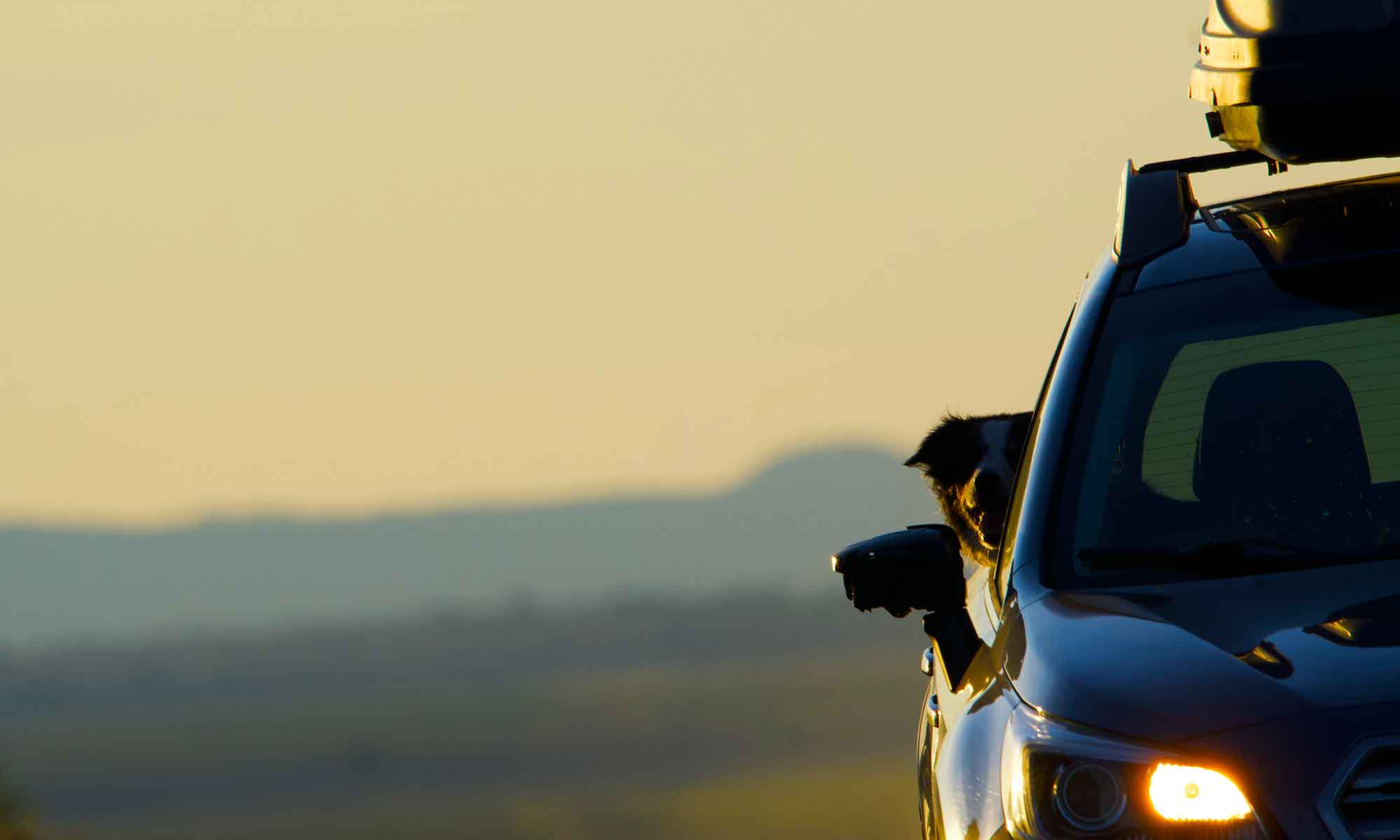
We put a lot of miles on the Subaru this week  .  .  .  kind of a Central Oregon tour.

Summer has come on with a vengeance, but the rivers are still running too high to fish. The alternative is checking on places where we will be fishing soon.

High Desert spring green is short lived.

The Deschutes River canyon is dressed in spring colors  .  .  .  green and yellow. there are still a couple of weeks before the rafters take over.  We hope we can work in a fishing excursion before then.

This grain field will only be green for a few more weeks  .  .  .  Mt. Adams in background still wearing winter cap

The Crooked flow never really went down at the end of winter, so it is just now getting flow rates that allow fishing at all.

But this hasn’t stopped us from taking a picnic lunch stop at one of many great spots up there.

Cottonwood Canyon and the lower John Day River

We even managed to get to the Lower John Day River, Cottonwood Canyon, Colton and Service Creek.

Again beautiful country, freshly greened for spring, but extremely high levels on the river.

In the end we did some birding around Abert and Summer Lake.

That proved to be a bit premature for the summer migration, but we managed some great bird images for the blog.

A Black-necked Stilt forages in a mudflat

With the return of warm dry weather we’ll be getting out a lot more in the coming weeks.

Stream Time

Help with the waders?

This week marked the Vernal Equinox.

The official beginning of spring.  Equal parts day and night  .  .  .   and it actually began with some very spring-like days.

Though, we are under no illusion that this will last.

A perfect day in the Deschutes River Canyon

In the high desert there is this time between the end of winter and the beginning of spring.

The mountains are still capped with snow, but the days get shirt-sleeve warm. The lakes hold on to winter’s ice and streams have yet to swell with runoff. The conditions are ideal for a picnic in the canyon.

Wetting a line in the Crooked River

A couple trips to the rivers in late March, ahead of last minute ice storms are always in our plan. We set up the camp chairs along the stream and bask in spring sunshine.

Now that … is basking.

The melt is coming.  The mornings are still frosty and there will be some rainy days.

Couldn’t ask for a better day

For the next week or two we’ll take advantage of this typical Central Oregon start to spring.

A day trip to Maupin

Early morning light on the Lower Deschutes River
Fishermen head to the stream.

January brought warmer days which cleared off the roads. When that happens we tend to venture out at greater distance.

Maupin and the Lower Deschutes River is this type of destination.

Winter fishing presents some problems, but it’s not impossible … just more fiddley.

I’m not adept at nymph fishing. It’s not the rig, tight-line or indicator that’s a problem. Patterns fished subsurface, any fashion,  are uncharted water.

However, since moving to Central Oregon I’ve put a lot more effort into this type of fishing.

Drifting a dropper rig along the edge of a riffle.

The lower section of the Deschutes is a wide stream in a narrow canyon. Taking off from the northern edge of Maupin, the Deschutes River Road hugs the eastern edge of the river for thirty miles, offering perfect fishing access.

Downstream you can see the road ahead, cut into the hill side.

From November to April you can often have a stretch of this river all to yourself and it’s easy to drive until an open spot is found.

Taking a break at the confluence of the White River and  Deschutes.

Winter this side of the Cascades presents frequent mild sun drenched days if you have an open schedule. Our schedule may not be open as much as it’s flexible.

This week’s trip was in hopes of finding a particular Baetis hatch. Blue Wing Olives, or BWO’s to the locals, is a small grayish winged Mayfly that shows up numerous times a year in Western Waters.

There has been a reliable hatch coming off the Deschutes mid to late January.

Casting to a seam in the current.

The draw of the Deschutes is that even if you don’t hit a hatch there are lots of other patterns that will catch fish. I know the ‘what’ now I’m working on the ‘how’. A week ago I hooked a very nice Rainbow on a Stonefly nymph, while this week’s trip drew a blank.

Smoke and clouds along Highway 97

It’s a pretty long road trip but if the weather is decent there are lots of interesting pieces of nature . . .  and time on the river is reward.