Fall Color

A moment of color in the forest

Before fall gets covered with snow, we figured it was a good time to locate some color.

The high desert isn’t devoid of deciduous trees. It’s forested hills put on a nice show of seasonal change. However, the journey down into the Willamette Valley offers broader strokes of color dotting the foothills.

Maple presents the more dramatic shades

A majority of ‘places to see fall color in Oregon‘ are on the Cascade Range’s west side. I think it’s an elevation difference. Regardless, the west side was drenched in warm tones.

On top of that our weather apps pointed out a high probability of rain, so it became a perfect time to do a road trip.

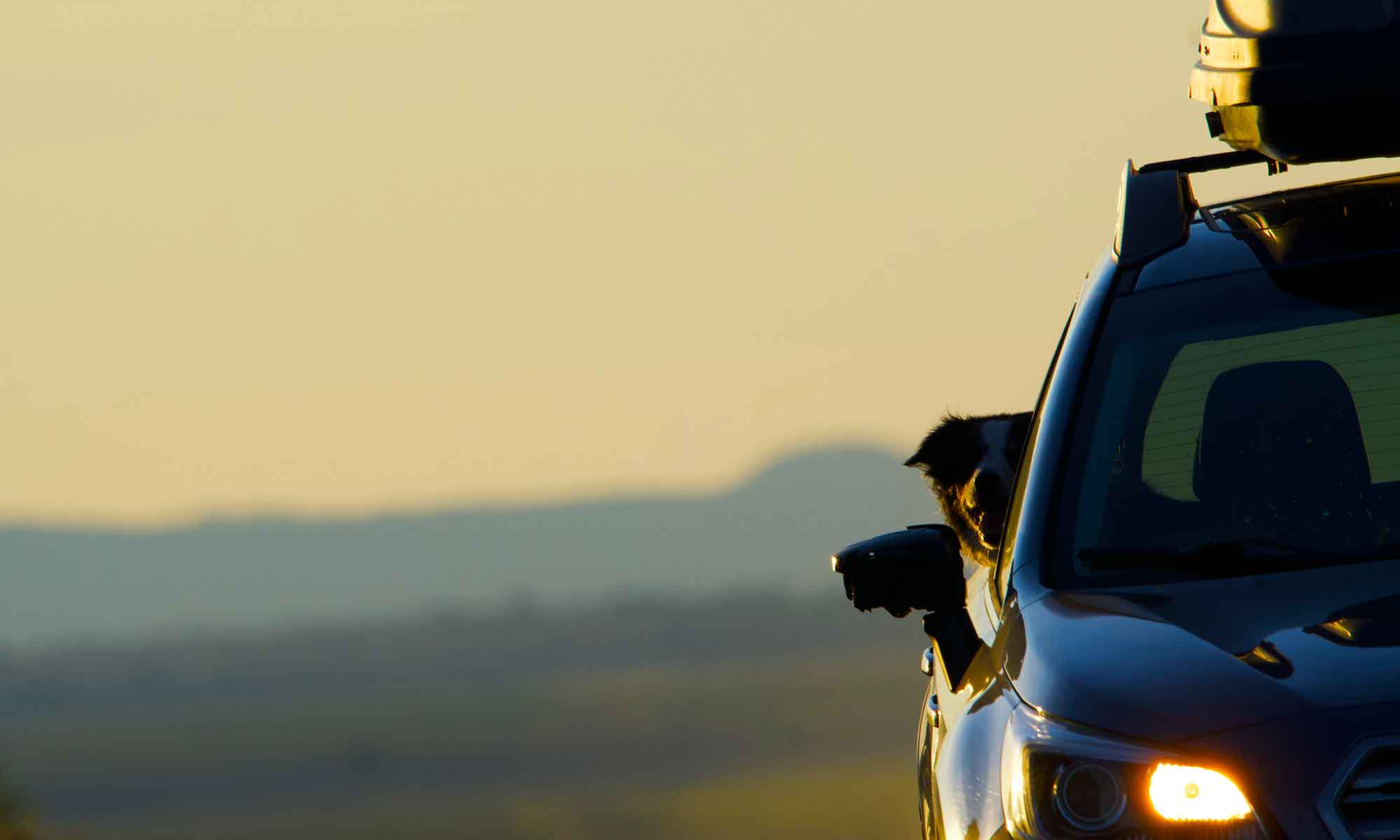
And by road trip, I mean we’re mostly going to be driving, not stopping to say, wet a line. This type of adventure is more a historical marker, regular dog walk and picture op stopping day.

We got going early to make it through Sisters and up Santiam Pass (Hwy 20). The plan was to loop back via Willamette Pass (Hwy 58).

In between these two mountian treks was a stop at the Willamette Valley Pie Company.

Slices needed tasting and the freezer needed a restock. It would also be a good excuse to swing through Silver Falls State Park. That is, if there’s not a downpour like we experienced.

Along I-5 from Millersburg to Goshen the reds from oak trees and maples gets mixed in with yellows of cottonwood and ash.

These blobs of color frame the edges of fields still green from an ample supply of McKenzie and Willamette River water. Not ones to choose freeway miles, this is a stretch we’ve driven often.

We never grow tired of the view.

Welcome back to the east side


Fall on the Deschutes

Where to now?

Days are growing shorter and mornings colder. Leaves have shifted from green to gold and paint the ground amber around our picnic spot.

Just a hint of green left in the trees
Rigging a rod

Fall in Central Oregon is a very short season . . . a brief few weeks between ‘Indian summer’ and first snow.

I’m still looking for Steelhead, so we’re making the trek to the Lower Deschutes.

This week we scouted different access spots, a task acknowledging Tip’s desire to wade, as well as the need to access good holding water.

Just upstream from where the White River empties turbid waters into the Deschutes was a nice stretch. Still no luck catching Steelhead.

Panorama of the river

However, the sun tempered a morning chill and we found a nice spot to brew a cup of coffee and enjoy our lunch.

Azure sky through branches

Winter looms and we wake to a dusting of snow on the ground more than once.

The week ahead promises wet but mild weather. We’ll pack rain gear, break out the beanies and generally prepare for colder days.

Fall color

However, this day was a perfect Fall day on the Lower Deschutes and we took advantage of that.

A Game of Cards on the John Day

An Eastern Oregon moonlit night

There are folks that aspire to primitive methods when camping  .  .  that is not us.

We booked a cabin at Cottonwood Canyon State Park, roasted german sausages on a gas grill, and turned up the electric heater as the fall winds turned cold.

There are rock formations and sage, but very few trees.

Trails were hiked. Lines were wet and books were read.

Swinging streamers for Small Mouth Bass

However, every evening tables were pushed together and six of us engaged in a semi-friendly game of Contract Rummy. I never got all.

The game begins

It’s interesting to me how many variations of rules there can be for such a simple rummy game. Our family has always played card games.

While this particular variation on rummy is ‘optimum’ for 4 people we’ve dealt hands to more than a dozen players after a large family meal.

Fall’s follage

The rules are simple enough for children to pick up. However, around the Schommer family table there might be rough language thrown about.

All in good humor, usually. And so it was this week when we met the Wilcox and Yecnys for a two day stay beside the John Day River.

Cottonwood Canyon and the John Day River

We’ve mentioned Cottonwood Canyon State Park before in this blog, but as with all good places there are frequent return visits.

Harbinger of Winter

The site is on a lower stretch of Oregon’s only un-dammed river, sitting on a flat between a couple of rock, sage and prairie grass covered hills.

At sunset

The camp sites are spacious, so RV’s aren’t stacked like parking slips at Walmart. We always choose the cabins, they offer amenities like electric lights, heat and air conditioning.

I think this would be considered Glamping, and we love it.

Canyon walls hit with the first light of day

These two days the cabin also offered shelter from the winds, as well as a good space to sit six people for a meal and afterwards a game of cards.

A good time was had by all.

Edge of the Great Basin

Lake Abert, a large, shallow, alkali lake in Lane County, Oregon

The South Central portion of Oregon holds the northern part of the Great Basin. The Great Basin is North America’s largest area of contiguous endorheic (internally drained) basins.

Two hundred thousand square miles dotted with lakes and streams that don’t flow to any ocean  .  .  .  it’s a hydrological land formation.

Summer Lake, another Oregon alkali lake and wildlife refuge

The Wasatch mountain range defines the eastern edge while the Cascade and Sierra Nevada range define it’s western side.

Death Valley and the Mojave Desert mark the southern point and a few hundred miles into Oregon from Nevada is the basin’s northern portion.

Lake Abert, a Pacific flyway stop, and one of Oregon’s few inland nesting sites for snowy plovers.

The off-shoot of being basically a closed system is these basin lakes are typically shallow, alkaline and circled by marsh lands.

At least historically  .  .  .  currently these lakes are disappearing, drying up, which is not good news for anyone, and particularly for migratory birds.

Seagull and an entourage of shore birds

Oregon’s portion of the basin includes a chain of lakes at the foot of Hart Mountain and west over Abert Rim sits a long valley holding Abert and Summer Lakes.

The refuge on Summer Lake was our destination this week.

Egret liftoff

We’re trying to get one more birding journey in before it turns into a duck hunter’s trailer park. This week we got to watch Egrets come and go.

There was a small squadron of American White Pelicans, along with thousands of water foul; ducks, geese and swans.

American White Pelican

What we try to accomplish in the fall is a final trip across the northern dike road before it’s closed for the season.

This narrow track of gravel cuts between two large ponds with a view unobstructed by reeds and with Fremont Ridge as a background.

Canada Geese

Most likely we won’t be back until the spring migration starts.

Though if we see a string of warm winter days, it is worth a trip to catch a photo of a resident heron, local raptor, or even one of the many cold season song birds.

A Fall Day

Perfect Fall day on the river

We never seem to get used to how quickly fall overtakes summer. In what seems like a couple of days, the hillside shifts from shades of green to ochre.

Morning walks now require a warm coat and hat. However, by noon we are back in shirt sleeves. Fall is without a doubt our favorite season.

I’ve renewed the pursuit of Steelhead in the Deschutes River. To that end, this week we made our third, but not final, trip to Maupin.

Seasonal runs of these ocean dwelling rainbow trout aren’t always open to anglers, so one needs to take advantage when opportunity knocks.

The Deschutes Canyon still holds summer green along river’s edge. Higher up the slope underbrush has started to take on the reddish hues of fall.

The real sign of seasonal change is the presence of mule deer moving through the canyon on their winter migration  .  .  .  their gray fur a perfect camouflage on the hillside.

We watched as a pair of does with two yearlings work their way along the slope. Cartoon-sized ears keeping track of our presence as they search out another river access point.

. . . with a head that is mostly ears

Numerous casts to deep pools came up empty, but then Steelhead are often described as the pursuit of a thousand casts.

Not quite a Herd, more a Parcel

Clouds moved in around mid-day and the rains came as we headed back upstream and out of the canyon.

We’ll return in a few weeks to increase that cast count and hopefully meet with success. Regardless, time on the Lower Deschutes is well spent.