We do this a lot . . . visit a location repeatedly throughout the year. For us, it is often the destination, not necessarily the journey.
A calm stretch of river
There are times when exploring a space, looking for something unique, new or just different is the mission.
But that is not this week. This week we’re trying to just get outside.
There are few places as relaxing as a spot next to moving water. It’s still early summer and the days are warm and the camp sites are still relatively empty. Neither of those will be true in a couple of weeks.
A succesful fisherman
The Osprey caught fish . . . I did not.
We spotted an Oriole, which is actually pretty rare around here.
Bullock’s Oriole
These song birds forage in riparian corridors and mainly eat insects, berries and nectar.
Dandelion
The canyon is painted with yellow balsamroot and wild iris. June is peak wildflower season in the high desert.
Yarrow
Skullcap
Flixweed
Wild rose
Mostly, we sat in camp chairs on the edge of the stream just enjoying being outside.
This week we headed over to Summer Lake and birding. The sage plain and hay fields along Route 31 were dressed in a lush green hue. Small patches of snow still clung to the upper edges of Winter Ridge, but the refuge was in full summer regalia.
Pacific Wren
May and June are great months to be at Summer Lake. You’ll still encounter some migrating birds, but the majority are nesting residents.
Red-winged Blackbird
Yellow-headed Blackbird
Redwinged and Yellow-headed Blackbirds have taken up stations in the cattails lining the canals. offering up a chorus of calls as we drive the dirt roads marking the Marsh’s edge.
American White Pelicans
This trip never disappoints. There is always some visitor or resident to pose for a picture. Most of the large migratory species have moved north, but a squadron of pelicans is still here.
Most of JQ’s subjects were small residents, some hanging in reeds others dancing along branches.
We’re not expert at this, which is reinforced when a windowed mini-van with birders pulls up to chat.
Occupants are six bespectacaled folk with narrow brimmed boaters. We observed more than one set of Swarovski binoculars on lanyards around their necks. The question … have you seen any Snowy Plovers?
Swan
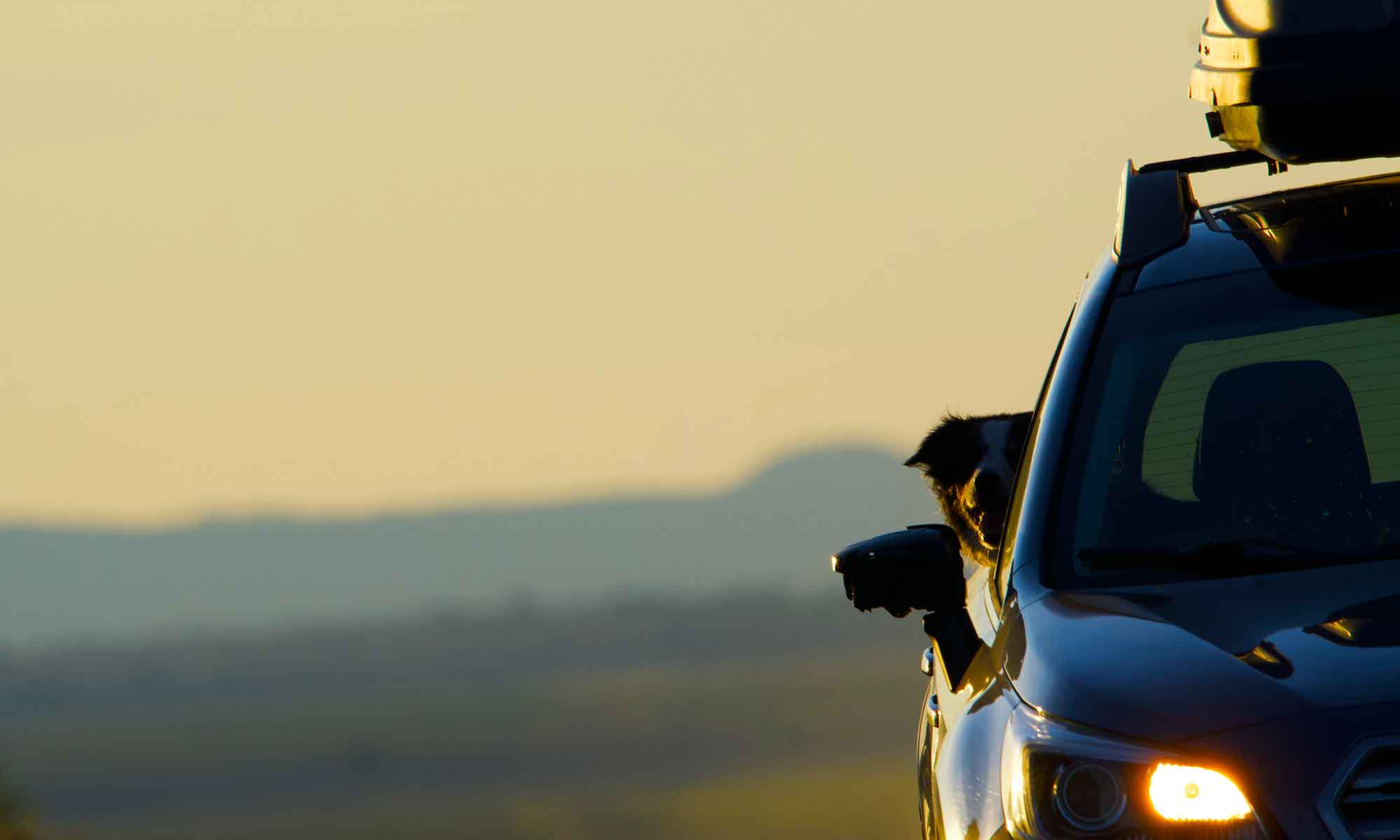
Tip is tucked into the Subaru’s shadow, I’ve got Nikon bios on a Sony camera strap and push the bill of a stained ball cap back to exchange information.
Attempting my most knowledgable voice I name a few sightings, ones I can actually pronounce correctly, then deny seeing a Snowy Plover.
Taking some picturesSandhill CraneIbis
Only …
After the van is gone and we consult the Field Guide, we then realize that wasn’t true.
We HAD actually . . . we had chased a Plover along the road for a few hundred yards.
I was saying something to the effect “stupid little bird… move” as a Snowy Plover (as best as we can tell) was actually hopping off the roadway in front of our car.
Watching the watchers
In our defense there are a dozen Plover varieties in Sibley’s book, and to that, one really should include Killdeer. Though twice a Plover’s size the Killdeer exhibits similar colors and markings.
Had we known . . . there would be an image of a Snowy Plover.
Alas, we didn’t, but JQ got a lot of great frames and Plovers are now on the list.
High Desert summers get hot, dry and eventually smokey. We try to take advantage of the days before the sun has beaten the green down to just the river’s edge. This year that seems to be extending into June.
Skullcap
This week’s excursion was full of blossoms and bird song as we were back on the Crooked River. Water levels are down to summer flows, fishing is getting better and the riparian was full of wild flowers and wild life.
Setting the trap
There are always field guides for Bird, Wildflower and High Desert Plant identification in the car. We’ve found it’s better to have a printed copy than rely on an internet connection when you’re trying to figure out what that brownish bird is.
JQ discovered an excellent resource when you’re trying to find where the flowers might be blooming. NorthWest Wildflowers (duh!) . . . no, it’s actually a web site that has color coded dots on a map showing when and where flowers are in bloom. From this ‘bloom map’ you’ll see points in Washington, Oregon, Southern BC and Northern California where wildflowers are.
Click on a location and you’ll be presented with a set of directions, an Oregon hikers guide, and a link for plant identification tools starting with the most likely flowers at that spot. All from this one web page . . . very cool.
We don’t plan to leave the field guides at home, but when you’re looking for a spot to explore this is a great site. It takes the guess work out of planning where and when the blooms are. There are still a lot of “early bloom” locations to check out, so we’ve been updating the calendar.
Though rarely, there ARE times when we don’t want to be on a river.
After the middle of June, the Lower Deschutes Canyon is off our calendar. What we avoid is a summer influx of tourists and high desert heat . . . an aversion acquired while living in Western Montana and constantly cultivated.
River levels have returned to seasonal normal.Fresh growth on the sage
A highly anticipated Stonefly hatch usually precedes rafter season in Maupin.
After the runoff has calmed and waters have cleared AND before summer’s heat, we try to get one last day on the Deschutes.
This typically involves multiple trips as it turns out the Lower Deschutes is nice in the spring . . . and the fall as well.
Yellow Salsify
It’s still spring in the canyon. The barrage of summer’s heat hasn’t penetrated this far.
Wild flowers are still blooming, families of waterfowl hang in the reeds and the days are short enough to offer cool mornings.
Yarrow
The Subaru serves as a base of operation but loses its appeal when parked under a summer sun. A couple weeks ago, camp chairs at the road’s edge worked, but this week that approach required we find some afternoon shade.
Adult Golden Stonefly; Salmon Flies are similar, but have a red and brown mottled body color.Stoneflies rest in foliage during the day, flying over the water in the evening to deposit eggs.
The seaonal Golden Stone and Salmon Fly hatch is dictated by nature and water temperature. The term ‘hatch’, gets used to describe an individual event, but could also mean a series of similar events.
We’ve found it best to start with the latter. With an understanding of aquatic invertebrate life cycles, you can be on the river at the proper time . . . be patient.
Since late winter, we’ve been making the trek to Maupin to check progress on the stonefly’s crawl to river’s edge. A scientific study that has been well documented.
Seemed likely this trip would end the season, so I tied up an old standard, two actually; Box Canyon Stonefly and Langtrey Special. Both caught fish.
Oregon Ash
We spent the evening under a grove of Oregon Ash at BLM’s Blue Hole Campground.
We finished our picnic, enjoyed a cold drink and listened to the bird song and wind in the branches.
Just a brief post this week as we’ve been busy tracking Stoneflies.
Deschutes River
Flyfishing is always about the aquatic insects. However, in late spring there is an increase in activity. As rivers come out of their winter hibernation, water warms and invertebrates start to move about.
This usually means dry fly fishing . . . that’s the best kind.
Plecoptera; stonefly (Pteronarcys californica: Salmon fly and Calineuria Californica; Golden Stones) have been burrowed in gravel on the river’s bottom for a few years.
Langtry special
When the water temperature gets around fifty degrees, these very large bugs crawl to the bank, shuck their aquatic shell and fly up into the bushes.
Come evening they fly back over the water and deposit their eggs, which sink to the rocky bottoms and the cycle starts over.
To a flyfisher this means those large fish who normally hold in deep pools are lured out into the shallows along the bank to feast on stoneflies. Thus, we are prowling river’s edge hoping for a hook-up.


 This trip never disappoints. There is always some visitor or resident to pose for a picture. Most of the large migratory species have moved north, but a squadron of pelicans is still here.


 We don’t plan to leave the field guides at home, but when you’re looking for a spot to explore this is a great site. It takes the guess work out of planning where and when the blooms are. There are still a lot of “early bloom” locations to check out, so we’ve been updating the calendar.


 We spent the evening under a grove of Oregon Ash at BLM’s Blue Hole Campground.

