Head Waters

Headwaters of the Crooked River

The Crooked River has been the subject of many posts on this blog, usually centered on fishing. This week, with a welcome break in poor air quality, we headed to the headwaters of our favorite stream.

Forests of Ponderosa Pine mixed with open prairie

The Ococho National forest lands sit between the saged high desert and the thickly forested cascade range.

A half hours drive east of Prineville puts you on the edge of Big Summit Prairie and a web of fresh water springs feeding into the North Fork of the Crooked River.

As the name implies this stream meanders across central Oregon, most of it through hay and pasture land.

Tip finds a nice spot of shade
Lunch at Deep Creek

The canyon we frequent most is some 50 or 60 miles downstream of  Deep Creek Campground.

We’ve pulled in here for a bit of lunch and a cup of coffee. The air is clean, filled with the scent of Ponderosa and it feels like Fall.


Deep Creek feeds into the North Fork as it turns south, away from the road and through a forested canyon and wilderness study area. The only way to fish that stretch is by trail and today we’re not prepared for that journey.

Eagle Rock, a popular site for rock enthusiasts, and a visit for another day.

We follow USFS 42 over yet another low mountain range heading south and west. The pine forest gives way to ancient juniper and volcanic rock fields. At the junction with OR 380 we are surrounded by cattle ranches and the North Fork merges into the Crooked. It stays in this grassy valley for 30 miles before winding south into the Prineville reservoir. After which it will exit Bowman dam and wind through the basalt lined canyon we frequent.

We skirt the eastern edge of the reservoir, through Prineville and after a brief stop for chocolate soft-serve at the local DQ, head home. It was very nice to be out of the smoke and haze for a day.

Smoke Clogged Days

Sunrise in Christmas Valley

Endless days of ‘unhealthy’ and ‘very unhealthy’ air pushed us to a point where we drove into the belly of the beast, Summer Lake. It’s a few miles north of what was at one point this summer, the nation’s largest wildfire.

Air quality doesn’t seem to matter to the snow geese, sand pipers, American avocet, and stilts who feed across the shallows.

California fires are the major contributor to the choking particulate count but Oregon has added to the plume. Which at last view stretches from left coast across the nation. In all it’s been a bad summer for outside activities.

The one thing poor air quality offers is unique sunrises. So the first stop was Fort Rock to catch the orange globe.

Fort Rock is a great location to watch the progression from dawn to sunrise.

We broke out the drone for some aerial footage.

No obstacles … no wind … perfect flight conditions for this novice drone pilot

The gray haze and lack of wind created some really cool conditions on the water at Summer Lake Wildlife Refuge.

Harshly backlit black-necked stilts stride across a silent expanse of water.

The gray haze and lack of wind created some really cool conditions on the water at Summer Lake Wildlife Refuge.

Birds are starting fall migrations and that was reflected in the variety of species we saw.


A pair of coyotes, one roaming, the other hunkered down in a lone patch of grass.

And for the first time we came across a pair of coyotes that appeared to be hunting.

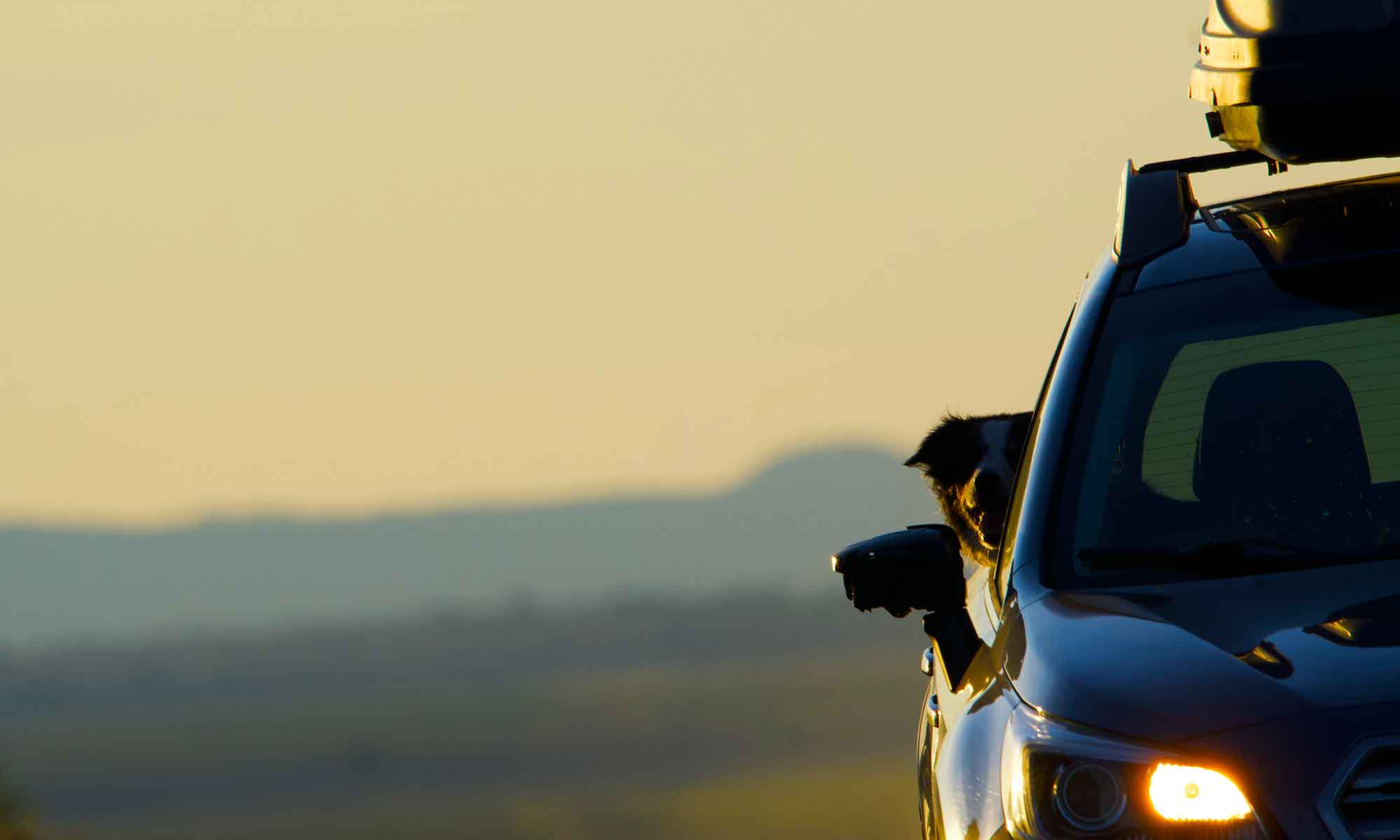
Photos were shot in brief excursions from the cab of our car and the ever-present masks helped.

There is rain in our forecast so that may bring some relief as season weather patterns shift and temperatures cool.

Annual Fruit Stand Trip

Catching the end of peach season

This week we headed up to Hood River and a trip through the Fruit Loop. It is a bit earlier than normal, but a great break from the smoky air that plagues Central Oregon.

The drive is an annual trek and usually focuses on Kiyokawa’s orchard, a favorite stand. The difference is this year we are early by nearly a month and thus the selection is different. We’re looking for peaches and plums with thoughts of preserving a few, and of course making Pflaumenkuchen.

Bartlett pears, red and yellow, are part of the early season harvest on the Fruit Loop.

The apple season is just starting so where normally there would be tens of varieties, this day there was maybe half a dozen to choose from. There was also a selection of pears, as they are in season as well.  On the other hand, peaches are end of season, but we found some Veterans which we’ll preserve a couple of quarts to keep the pantry up to date.

The drawback to Kiyokawa is they only sell in bulk. The pandemic has curtailed open bins with tasting trays for each variety and now you buy by the pound.

We stopped at a new stand, Pearls Place. There you can pick up individual pieces, as well as boxed or bagged fruit. 

Pearl’s had a great variety of stone fruit and in that mix were Italian Prune Plums, which were at the top of our list.

It worked out well to hit the  orchards at a different point in the season and we are enjoying the peaches as much as the apples and pears. The trip home was through Maupin with lunch on the Deschutes River. It was a great end to a nicely smoke-free day.

Gorgeous day on the Deschutes River
Lunch started with freshly sliced peaches, a perfect ending to a great day.


An Evening Hatch

A swim and roll in the dirt makes everything better

Weather patterns seem to rule our lives. Yet another week of wildfire smoke dropped on us in what seemed like a random pattern.  Over the course of a day air quality would move from good to unhealthy and back. We did manage an afternoon of relatively smoke-free weather.

So of course we headed up to the river. Now normally we’d be on the stream mid-morning and home by three or four oclock. This week it was an afternoon and evening trip. We packed for dinner and headed to the Crooked.

And off they go …

Early in the week there are usually fewer people, but it is August, so we were happy to find our favorite site completely empty.

Redband rainbow trout have adapted to the arid, desert conditions of central Oregon

We put out the chairs along the stream’s edge and settled in for the day. Tip and I worked on getting rigged for fishing, while JQ pulled out her camera gear.

After the heat of the day passes, there is typically good fishing and this day we had a nice caddis fly hatch. I worked a stretch of stream within eyesight of our camp and was busy casting to hungry redband rainbows.

Evening light casts a soft glow

Evening hours present a quality of light photographers call “golden hour”. The closer the sun gets to the horizon the warmer the light qualty. It also creates shadows that enhance the subjects and landscape. We also discovered that bird activity picked up in the evening.

In an aggressive display of “sky-dancing” this golden eagle drove off an osprey perched along the river’s edge. Golden eagles are one of the fastest, nimblest raptors in North America. They have been clocked at close to 200 miles per hour.

Air quality didn’t improve the remainder of the week so it was good to get that break. We are looking at car trips to do some photo/video shoots which allow limited exposure to the nasty air. Hints of fall weather are in the forecast so we’re hopeful for some better days ahead.

Food Sourced Local and Fresh

Romaine lettuce leaf

During the last couple of months we’ve had to replace most appliances in our house. The result …  better ‘fresh storage,’ as well as additional space in our fridge. In turn, this allows us to have more fresh fruit and vegetables on hand.

Since moving to Central Oregon we’ve not missed working in the garden … but we do miss fresh produce.

We’ve been looking for a CSA farm (Community Supported Agriculture). CSA memberships are a great way to eat seasonally and connect with a local farm. Sure, there are local small “truck farms,’ but few of them offer subscription services. Farmer Markets in Bend are OK, but not dog friendly and are only open a few months of the year.

Carrots, beets, tomatillos, kale, and zucchini are part of this week’s box.
It all comes in a insulated bag

JQ found “Agriculture Connections” and it’s an ideal solution. This organization offers farm direct sales from a collective of area farmers. Their weekly, or bi-weekly boxes are available all year with seasonal market fresh vegies and fruit from different farms, most within 125 miles of Bend. Vegetables for each box are typically harvested the morning of delivery. It doesn’t get much fresher.

At the same time we’ve started to notice that other shortages are showing up at grocery stores. This pandemic has dropped a wrench in the supply chain.

Whoa, that isn’t a good look at the grocery store

Our interest in locally sourced foods lead us to a cattle ranch near Sisters, Oregon. The Sisters Cattle Company practices ‘regenerative grazing’, and is a great source for beef. Their IG stories and TicTok vids are entertaining and packed with information.

The addition of an upright freezer has made buying in quantity possible. It saves a bit of money, but more importantly,  we get better quality food. We cut out a big chunk of an inefficient supply chain while supporting local agriculture.

We’re only a couple of weeks in, but so far we like the results. The Ag Connection is allowing us greater access to the local food distribution system. This is not buying into rhetoric from conspiracy theorists or SHTF preppers.  As America’s market basket burns it seems like a perfect time to connect with a food supply that is closer to where we live.