It wasn’t that long ago you needed to carry a camera if you wanted pictures. Of course, this was not always conducive to the spontaneous capture of life’s simple events … all possible with phone and app.
This blog has always been an excuse to post pictures the way we want them to be seen. To that end, we’ve pushed the limits of our iPhone cameras.
Simple lenses offer a fraction of the image detail, but it does get a boost from some very clever software and offers some pretty good pictures.
We enjoy exploring remote landscapes, so naturally wildlife photography is one of our interests. iPhones, unfortunately, are not great tools for this type of image taking.
We’re not advocating abandonment of smart phones, it’s just time to up our game a bit.
This week we spent nearly every day working with a Sony mirrorless system and super telephoto lens. There were some successes and plenty of learning opportunities.
Kudos to Jack for getting this beautiful shot of an American White Pelican!
We made good use of the rental. By the end of the week we had completed 9 separate shoots and taken nearly 10,000 images. It was a great experience … and we are hooked!
You may have heard of Malheur Refuge in southeastern Oregon’s high desert. It’s known for it’s birding, fishing, and hunting.
But just 200 miles east of there is our favorite site to photograph birds and wildlife, Summer Lake Wildlife Area. It is strategically located within the Pacific flyway and sits in the northern corner of the Great Basin.
Killdeer
Black-necked Stilt
Great Egret
For birding, we’ve found Summer Lake is more rewarding. You can gain access via car and dike paths to the marsh lands. Canals and ponds are adjacent to the major loop road.
Plus there are camp/picnic sites within easy access. It might also be that Summer Lake is just an hour’s drive from our house.
Female Red-winged Blackbirds
Yellow-headed Blackbird
We manage to spend a day at the refuge at least every other month, keeping track of the migratory birds, as well as full time residents. There are nearly 300 bird species that nest or pass through the area and it also hosts about 40 different mammals and another 20 or so fish, reptiles and amphibians.
Currently we’re looking to upgrade our photography kit with shooting wildlife in mind. This means we need a telephoto lens at least 400mm. Borrowed Lenses has equipment rentals so you can try out a camera and lens to see if that is going to work. This saves a lot of frustration in what will eventually be a major purchase.
Muskrat
The week’s trial was enlightening. The lens, a 200 to 600mm zoom, was a great fit but we also fell in love with the camera, Sony’s A6400. The other piece of information gleaned was that a smaller, lighter wide angle lens is going to be critical.
Trumpeter Swan Family
Being able to capture images at distances even with the great level of wildlife proximity Summer Lake offers has always been an issue. iPhone cameras are great, Moment lenses work well, but neither of these let you “pull in” those distant critters.
Tree Swallows
The week was spent with lots of early morning trips to all our favorite haunts. Not just the edge of a marsh, but the mountains and onto a stream side as well. I think in all we had some 5K frames to work with … with wildlife that means you have about 2 dozen decent shots. The ones shared here are just a few. Expect a new photo essay going up next month.
This week marked the start of summer and saw Deschutes County dipping a tentative toe into reopening. We remain masked against the potential second wave, avoiding areas of population while still seeking out forest retreats.
Fishing, hiking and photography have offered good distractions and excellent means of social distancing over the last few months.
As society stumbles back to some semblance of normal, if that is even possible, the river banks we frequent are seeing increased pressure. BLM (Bureau of Land Management.) opened Crooked River camping this past week, which greatly increased traffic on parking sites.
Discovering a tent set up in our favorite spot, we moved downriver a couple of miles.
This new stretch of river is more of a canyon with rock walls dominating the far bank.
It is every bit as peaceful and will be added to the list of potential stops.
Bug
There are lots of places within an hour’s drive of our house offering fishing, views, trails or a combination of all those.
Day trips will continue to present a great way to maintain a level of sanity in these chaotic times.
At first glance the landscape reveals nothing more than a mix of tans and browns. Sand and rock litter the ground. It appears nothing is here. Jack and Tip park under a lone shade tree and I head out in search of high desert wildflowers.
I have to change my approach. Many of these blooms are close to the ground which means I need to take a low angle and get an “ant’s eye view.” I love this type of photography … that said, it does require a certain amount of … flexibility.
I’m equipped with a small tripod and an assortment of iPhone lenses (wide angle and macro being my favorite). I take a wayward tack. I’ve been lucky in the past … meandering and wandering has paid off for me. It takes a while, but then my focus shifts and it’s like another world is revealed under my feet.
Its been a successful shoot. I’m pretty psyched at finding a cactus.
I can’t wait to get back and share my news … plus Jack and Tip have an ice tea waiting for me. It’s been a great day!
Oregon Route 31 runs from La Pine to Valley Falls passing south of Fort Rock State Park and Summer Lake Wildlife refuge. The Fremont road is a route we take often. About half an hour into the trip you drop out of the Lodge Pole and Ponderosa forest onto a sage and rocky plain.
Fort Rock sits at the edge of this transition with Summer Lake another 30 minutes onto the high desert.
From tilled fields the road follows basalt columns to a notch just a thousand feet off the valley floor. At the top is Picture Rock Pass, as you drop toward Summer Lake there is a a grand view of the marsh and alkaline flats.
Sitting on this relative high point is a flat rock face with petroglyphs that were etched 7500 to 10,000 years ago. The rock is just a few hundred feet off the side of a road, south of a narrow gravel turn out. Given humans propensity to paint or tip ancient rock it’s just as well the site is unmarked.
It was the marshes and meadows with their abundant wildlife that drew prehistoric humans to the area. Twelve thousand years ago, the Clovis Period, Picture Rock Pass was etched by the area’s early inhabitants.
Archeologists have uncovered signs of prehistoric life that includes 10,000 year old foot woven sagebrush sandals at Fort Rock and 14,000 year old artifacts at Paisley Caves area.
There’s a lot of history in this hundred mile stretch of asphalt.
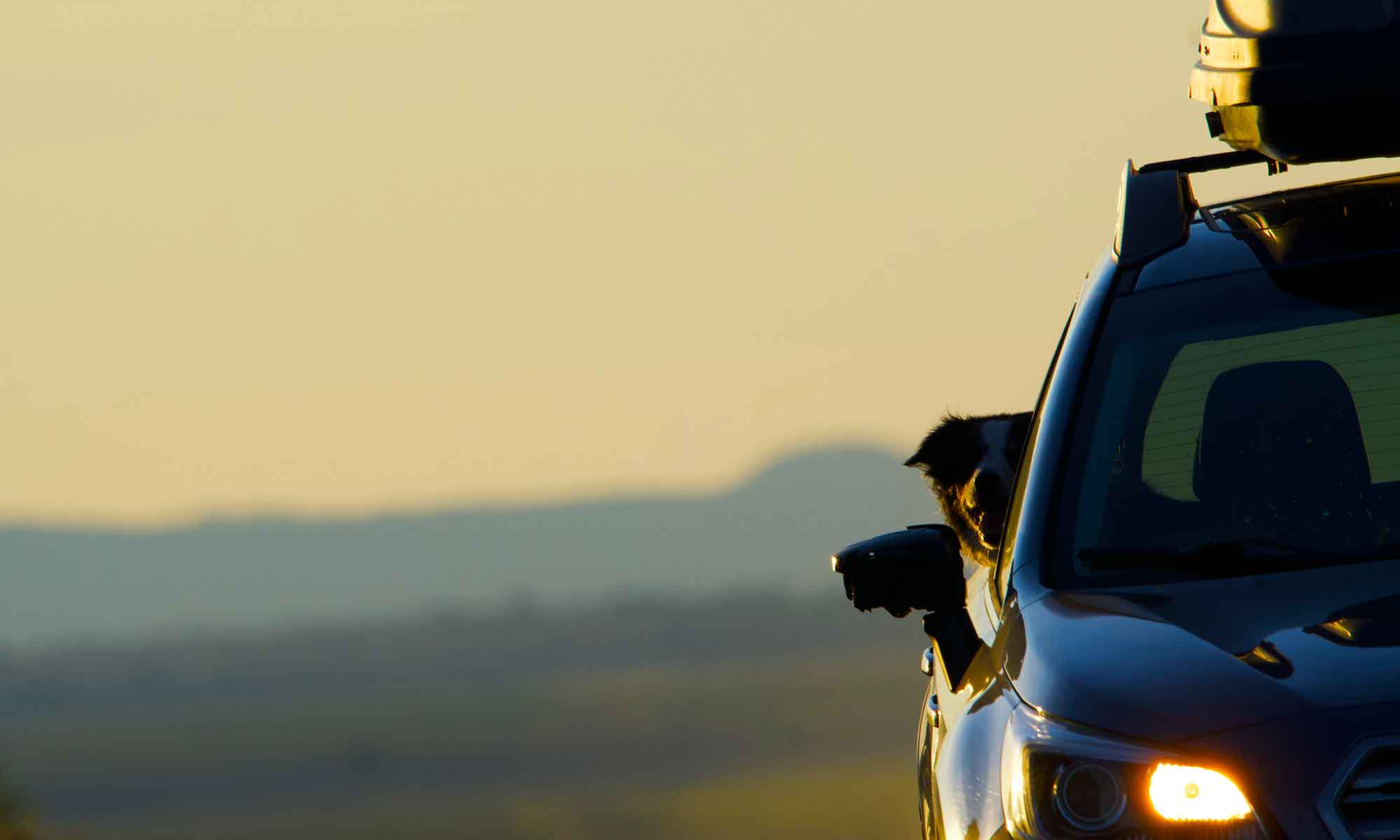


 This blog has always been an excuse to post pictures the way we want them to be seen. To that end, we’ve pushed the limits of our iPhone cameras.


 Fishing, hiking and photography have offered good distractions and excellent means of social distancing over the last few months.

 This new stretch of river is more of a canyon with rock walls dominating the far bank.


 There are lots of places within an hour’s drive of our house offering fishing, views, trails or a combination of all those.


 Its been a successful shoot. I’m pretty psyched at finding a cactus.

 Sitting on this relative high point is a flat rock face with petroglyphs that were etched 7500 to 10,000 years ago. The rock is just a few hundred feet off the side of a road, south of a narrow gravel turn out. Given humans propensity to paint or tip ancient rock it’s just as well the site is unmarked.
