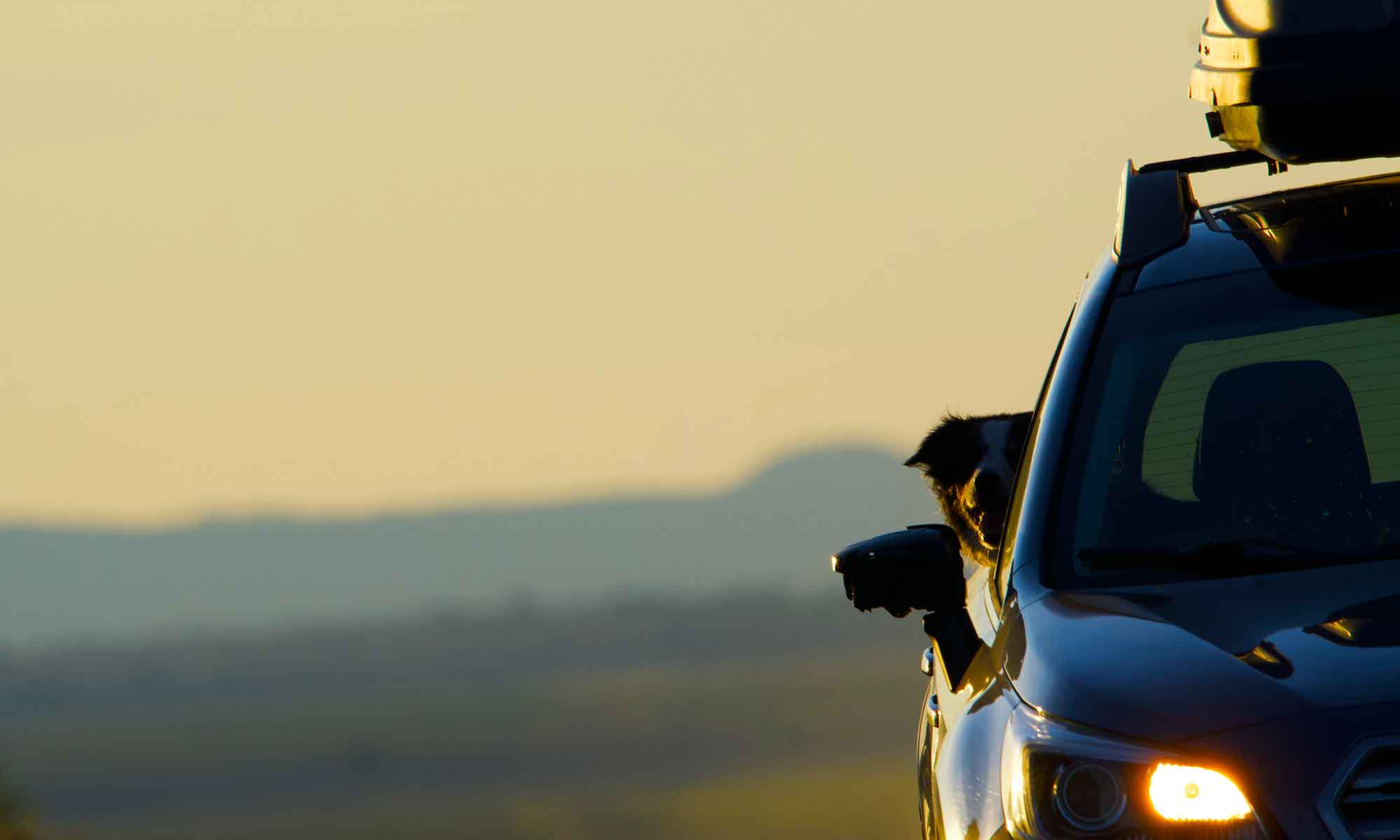
Summer’s Refuge

High Desert morning looking south from Sunriver

The heat of summer has settled in so our daytrips have shifted to early morning departures.

The high desert cools overnight and offers a chilly morning  .  .  .  light sweater cool. This is true even when we hit ninety plus afternoons.

The sun was just cresting over Fort Rock as we passed on our way to Summer Lake Wildlife Refuge.

The Pacific Flyway has already started to show signs of winter migration. The distinctive honks of Canada Geese have been overhead often during the last few weeks.

Summer Lake is a 45 minute drive, so with an early start we got a good bit of birding in and were home before the oppressive heat of the afternoon settled in.

This trip we encountered an unusually large number of Ibis  .  .  .  flocks of them.
An Ibis feeds at the pond’s edge

Mostly they bolted from the canal ahead of our car, but occasionally we caught one wading a pond or picking its way among the reeds.

Looking southwest from the refuge towards Summer Lake

Winter’s heavy snows seem to have benefited the refuge. Even this late in the summer the marsh grasses, cattails and reeds are still brilliant green.

This lush growth on ponds edge is contrasted by sunburnt field grasses that extend up the edges of Winter Ridge.

Black Birds stake claims with song and a physical presence.

Black Birds, Red Winged and Yellow Headed, are in typical large numbers and quite vocal. The other species we found in large groups were Killdeer.

Which as you might remember are similar to Snowy Plovers  .  .  .  of which we saw one.

There weren’t any other people there, birding or camping. We had the large expanse of Summer Lake to ourselves.

We enjoyed the solitude and being able to park wherever we liked.

Tip keeps watch as Jack gathers sound files for the video

Just before noon we spotted a couple of cars coming in as we made our way out. A good time was had by all.


Cascade Lakes Loop

A great view of the road ahead

A series of mountain lakes, trail heads and the headwaters of the Deschutes River are paralleled by a road.

The Cascade Lakes Highway runs from Highway 158 (Willamette Pass road), north along the eastern slope of the Cascade Range, skirts the western edge of Mount Bachelor, before dropping into Bend, Oregon.

Clouds cling to the peak of Mt. Bachleor

We drive this route nearly every season, but from late November to Mid-May snow closes the highway.

By the middle of summer, the traffic is thick, especially on the Bend and Bachelor end of the road. However, a mid-week trek is usually light on tourists, bikers and hikers.

A mountain marsh on the edge of Sparks lake

Sparks Lake is an iconic photo location and for good reason.

There is a massive wetland framed by rocky crevices of Bachelor and dotted with seasonal wildflowers, as well as wildlife.

Thistle sways gently amid marsh grasses

August flora is primarily tiny little blossoms tucked in the dense green marsh grasses.

As for wildlife this stop, we caught sight of a flock of Canada Geese resting where lake and marsh meet.

The best sighting was of tiny frogs, hundreds of hopping reptiles, no bigger than your thumbnail.

They made navigating the boggy marsh an adventure. Let me just say  .  .  .  these little guys weren’t the only thing hopping.  

Head waters of the Deschutes River

Of course the most common stop for us on this road is one of the many access points to the Upper Deschutes River. This day our favorite turnout was open.

We found large patches of Fireweed (Rose Pink Willow Herb) along the river’s edge

This stretch of stream offers excellent places for Tip to fetch and swim.

This day we were met with exceptionally high water levels. Levels we’ve never seen in the month of August.

Mosquitoes were less of a problem than in June. We could actually spend time walking along the banks, where the river hadn’t encroached.

Tip got in some wading, though high water made it impossible to swim after sticks.

On the final leg south, our route winds through Ponderosa forests, between two large reservoirs and right up to our back door.

Summer Storms

Early morning fog rolls off the Little Deschutes and filters our sunrise

We’ve moved into August and onto summer’s end.

These late summer days can turn from sweater-cool mornings to blazing hot afternoons. Thus, departure time and destination are carefully planned out.

Fishing has been good on the Crooked this summer.

Early morning trips to the river have been particular enjoyable this week. First, there aren’t a lot of people around before eleven, and second, the fishing has been good.

But equally as important as the quiet are the cool mornings. We’re still starting the day in hoodies and sipping coffee on the streambank.

Black Billed Magpie inspects my hat.

We pack up around noon and are home for an early supper in the comfort of our climate controlled home  .  .  .  or under the shade of our patio awning  .  .  .  tall glasses of ice tea in hand

A new wrinkle has entered our summer afternoons  .  .  .  thunderstorms. About 3:00 pm the thunderheads, with their charcoal gray centers, push in from the southeast.

Prelude to a storm.

It starts with the distant claps of thunder and if you stand on the porch there are usually streaks of lightning marking the storm’s advance.

In fire season, we’re not keen on lightning rolling across tinder-dry Juniper and pine forests.

Raindrops collect on a poppy’s petals

So far the storms have brought rain  .  .  .  torrents of rain.

The last one even brought small hail stones. By 5:00 pm the clouds have pushed past and no longer feature that menacing dark tone at their core.

After the storm pushes by our Aspen tree dries in the sun

These blasts of weather, especially the accompanying rain, are a welcome relief. The air is filled with the clean smell of wet pine while dust and pollen has been washed away.

Just before sunset, we arrange the deck chairs and sip cocktails on the porch. It is a perfect way to bring a summer day to a close.

High Desert Mornings

Early morning light  glitters across this expanse of river

The pace of our lives is not brisk and our days of multitasking projects is long past.

That’s not to say we’re idle. Quite the opposite, as summer gets up to full blast our weekly schedule fills up.

A young mule deer peers curiously at us

Along with more excursions, come early starts. It’s all part of getting into summer.

The High Desert in this season can be oppressively hot from noon to sun down. To counter this, we are out the door at first light  .  .  .  conversely, back in the house by mid-afternoon.

A young Western Kingbird sports a mix of juvenile plumage and adult feathers

This week’s trip to the river was highlighted not by fishing, though that was good, but by a proliferation of fledgling sightings.

A Magpie flock harassed this juvenile Osprey trying to enjoy his catch.

A young Osprey was getting a lesson in Magpie gang warfare.

There were moments when we thought the Magpies would succeed in getting the young Osprey’s meal.

In the end, he finished the fish and brought back another.

A Western Tanager dives down to catch insects mid-air

A group of Western Tanagers were also spotted. Likely a stop on their migration to either the Cascades or Ochoco range.

The sighting is a rare treat, not only because of their brilliant colors, but also they only spend a few days in the canyon on their summer jaunt to the mountains.

Black-billed Magpie

We also got treated to a family of Redwing Blackbirds.

It appeared to be flight practice. We observed the family hopping along the tops of willow bushes at the river’s edge.

Letting the world go by

Often these trips are filled with long stretches of sitting quietly, watching the natural world move around us. Morning hours seem to be a good time to get the most of that activity.

Desert Gardening

Fresh green against blue sky

June to September in the high desert are marked with mostly cloudless days.

Accompanying this is an  upward trend on the thermometer.  We have gotten pretty adept at direct sun avoidance, but it takes effort by the middle of July.

A Cottonwood Canyon trip cut short in 2023 by wildfire

An additional problem has been added. Incidents of wildfire are on the rise.  It’s not just the threat to our home, but we’ve pulled up to some fire closed roads in the past. That can put a damper on anyone’s plans.

As days get warmer, earlier, we retreat to the comfort of AC.  E-readers are kept well stocked for the blistering hot afternoons that will be here soon enough.

Summer kitchen’s countertop

Before the full on summer weather hit, we managed to complete a few projects aimed at mitigation.

The side porch got sun screening. This makes BBQing a more pleasant task.

We also stretched out our gardening and landscaping. This was the first place we’ve lived that didn’t have some type of garden.

Oh, of course there were trees and a few pots of flowers. This year however, that changed.

Garlic ready for harvest

JQ may not have a green thumb, but she has a gardener’s heart.

With concern about access to fresh greens, given current conditions, we set up a couple of small raised beds.

These got planted with hearty greens, garlic and onions. Once the gardening bug struck, it was hard to hold back. 

Additional pots and plots got added to the mix. A space where a failed tree planting from the former owners got a crab apple tree.  

Columnar apple trees in pots

More flowers were tucked among the rocky landscape and some “Fruit Snacks” columnar apple trees got put in containers beside the house. 

A pair of Birch were put in the spot were an Aspen had been. 

What’s for dinner?

That seems like a lot, but most of the projects were part of cleaning up the area around the house.

We’re not sure how the edible plants will fare  .  .  .  this is after all a desert.

That said, we’re enjoying the patio along with additional visits from neighborhood birds and a squirrel that has taken to stuffing peanuts into the garden beds.