Books and Bookstores

Besides roaming the high desert, our days are spent reading. There is always at least one piece of reading material within arms reach.

Since retiring, we’ve moved away from non-fiction reading (no more textbooks) and have been enjoying fiction and history.

Reading requires sources of material. While many of the walls in our house hold overloaded bookcases, the local branch of Deschutes County Library is a constant and reliable source of reading material.

E-books and audiobooks have become an inescapable part of reading. It’s nice to have a few dozen different books in hand .

Though an e-ink screen is convenient, slipping a bookmark between pages is an irreplaceable part of reading.

Bookstores and libraries, are critical outlets however, technology has forever altered that experience.

Our first visit to Powell’s City of Books is etched into memory. Something about the air in a bookstore; paper, ink and dust, if it’s the right kind of store.

Yes, a lot of our reading material is captured via a hold place through the library’s online website  .  .  .  then downloaded to an e-reader or picked up on weekly stops.

But one still needs to occasionally step into a good bookstore.

Book searches via keyboard are efficient, but nowhere near as fun as rummaging through shelves, craning your neck to read spines, and pulling an interest prospect.

The website may offer a brief preview, but that doesn’t compare to turning to a table of contents, running a finger down the index or reading random pages at will.

Online you scroll through known authors or subjects, while at a bookstore you are immersed in a genre and exposed to unknown works.

Reading research is very different in a bookstore  .  .  .  that is why we never miss the opportunity to push open the door when we come across one.

It’s Already November

I’m not cold but that guy back there is

Looking back over journal entries I realize this rainy weather coupled with a few ‘poorly’ scheduled appointments severely restricted our travel.

Chores got done, JQ was occupied with baking projects, and lots of pages have been turned on sci-fi and mystery books.

But really  ,  ,  ,  we didn’t get very far from the house.

An apparent break in the rain got turned into a trip to the Sunriver Nature Center to check in on the swans.

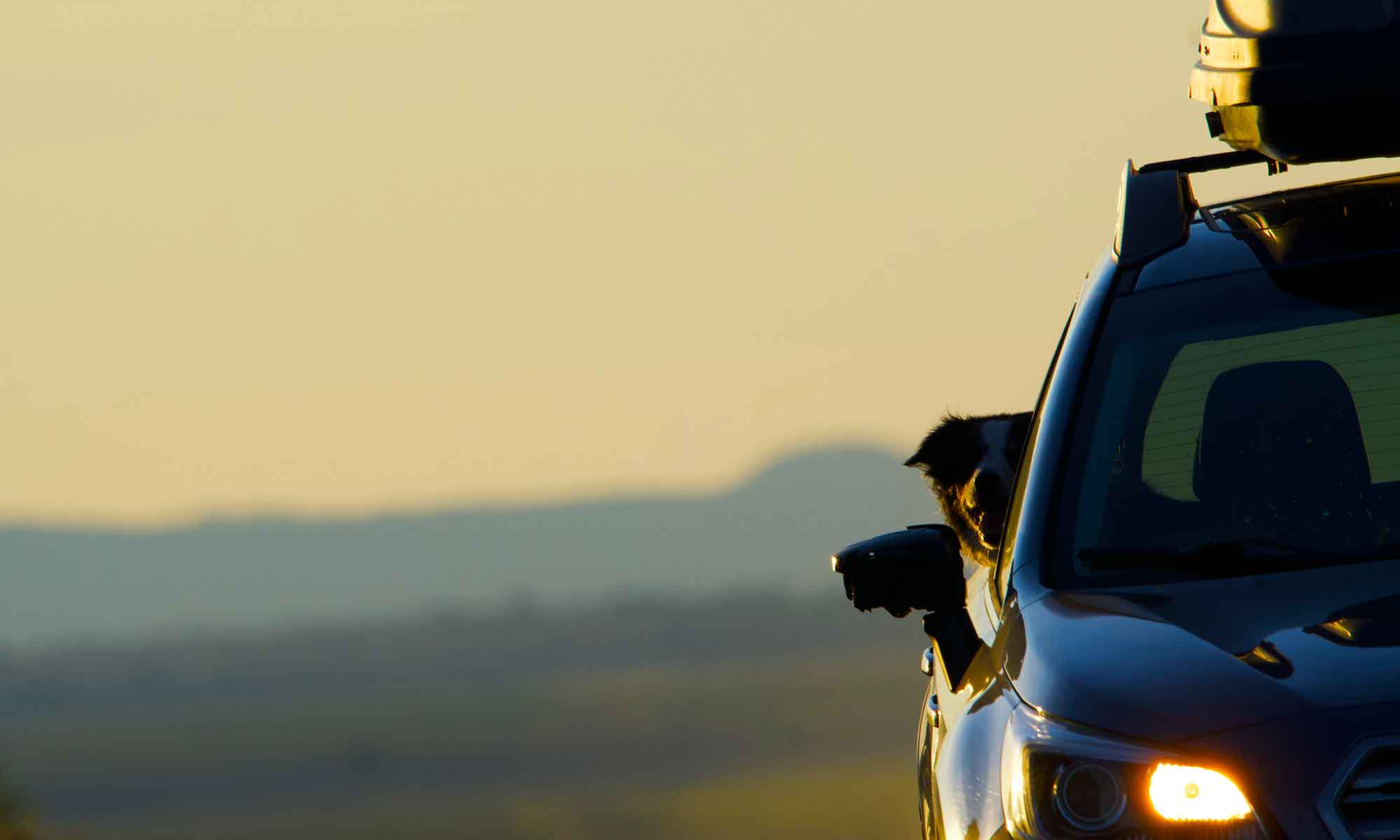
They are doing well, however that foul weather pause did not include a lull in the wind, nor rise in temperature. It wasn’t wet, but it was a cold walk. Tip did enjoy himself.

Tasks finished and weather forecasts looking clearer this coming week, we should get more exploring in. For now, it’s a warm fire, hot mug of tea, and a good story on the e-reader. Not a terrible way to spend time.

Another Nice Fall Day

Pffftttt  .  .  .

The fall storms this week moved in and on rather quickly.

That is typical of high desert weather. If you wake to dark clouds on the west of the Cascades, there is a good chance it will rain for a couple of days.

North end of the Crooked River Canyon

On the eastern side of the mountains, a storm front can sweep through in a matter of hours, leaving the remainder of the day clear. We generally try to take advantage of that pattern.

Late fall storms interrupted our week, but there were breaks that offered perfect days to sit by a river.

The day starts with rigging a fly rod or two.

Fall means I shift my fishing rig set up.

I’ve not tied on a dry fly in the last two weeks.

Tiny nymph patterns, doubled up on sinking strands of mono get fished near the bottom. This is the method employed until the end of Feburary.

A Fall day fishing the Crooked River

The bird population has thinned as well. Migration patterns mean majority of birds have  .  .  .  well  .  .  .  moved on.

There are some resident ducks and the osprey did a brief fly-by. However, we’re not pestered by the Magpie gang and the amount of bird song is definitely diminished.

The day was sunny and warm, for late October.

Mending the line

One other thing, there are fewer people, which is much appreciated.

The river is at winter levels, exposing a lot of rocks

We can set up our chairs and enjoy the river sounds without distractions. Which is pretty much what we’ll keep doing until the snows come  .  .  .  and even after that.

Fall in the Mountains

West side of Bachelor

Winter has started it’s slow walk down the mountains. The Cascade range to our east wears a fresh cap of snow and more is in the forecast. From our vantage point on the valley floor it’s still a spectacular fall.

Before the gates close off the Cascade Lakes highway we thought it would be nice to make the loop.

The recent snow has Mt. Bachelor dressed in its winter cover. It also left a skiff on the road, at its base, and dusted the trees near Sparks Lake.

Cascade Lakes Hwy, east of Mt. Bachelor resort

Meadow grasses on the lakes edge are an array of reds, browns and gold colors.

There are a few aspen and maple at this elevation flashing fall colors. it was a perfect day for landscape images.

We’ve been taking advantage of these clear fall days, bracing for the rains coming next week  .  .  .  snow is predicted  .  .  .  a foot on the passes.

Mt. Bachelor as backdrop to meadow and Sparks Lake

This only dampens the roads, not our plans. We’re used to late fall weather on the high desert. The Cascade Mountains become a backdrop, rather than destination as fall shifts into winter.

The Orchard Loop

Floating maple leaves sail by on the breeze

This week mornings got markedly colder. First frost signals a trip to the orchards.

A series of fruit orchards line the foothills under the northern slopes of Mt. Hood.  In all, there are some 14,500 acres of fruit trees on the hills  above the city of Hood River.

Just a couple of pears left on this tree

The first trees were planted in 1855 and now you’ll find 30 plus farm stands on a 35 mile loop road  .  .  .  the Fruit Loop.

The Farm we visit regularly is Kiyokawa Orchards. By mid-October they have around a 100 varieties of apples and pears set out in boxes, many featuring free samples. There’s also jugs of freshly pressed cider.

We make the drive to this orchard at least twice a year. We were here early in the season to get peaches, plums, and early apples.

Deschutes River at Warm Springs, a frequent stopover to stretch our legs

We return in mid-October to pick over the abundant variety of apples and pears. Most of these you’ll not find in you local mega mart, nor even in that nearby organic co-op.

The cloud cover lifts as we approach Mt Hood

It’s a bit of a drive, but we pack a lunch and make a day of it.

The morning starts with a trip out of the high desert on Hwy 26, and then down the east side of Mt Hood on Hwy 35  .  .  .  turning west before we get to Hood River.

Looking south from Hwy 197 you see the Cascade Range and it’s foothills

After filling a few bags with a selection of fresh fruit, it’s back up Hwy 35, turning left on USFS 44 to Dufur, the Tygh Valley and Maupin.

Freight trains regularly run North/South along the Deschutes River

There is a mandatory stop on the Lower Deschutes where a couple of hours are spent attempting to catch a fish.

Enjoying a relaxing drive along the river

Then we take state route 197 to The Dalles-California Hwy (97) and back home. The whole loop passes through a myriad of different environments, which makes the drive not seem so long.

Plus, we have a box full of apples and a couple of gallons of fresh pressed cider. A good time was had by all.