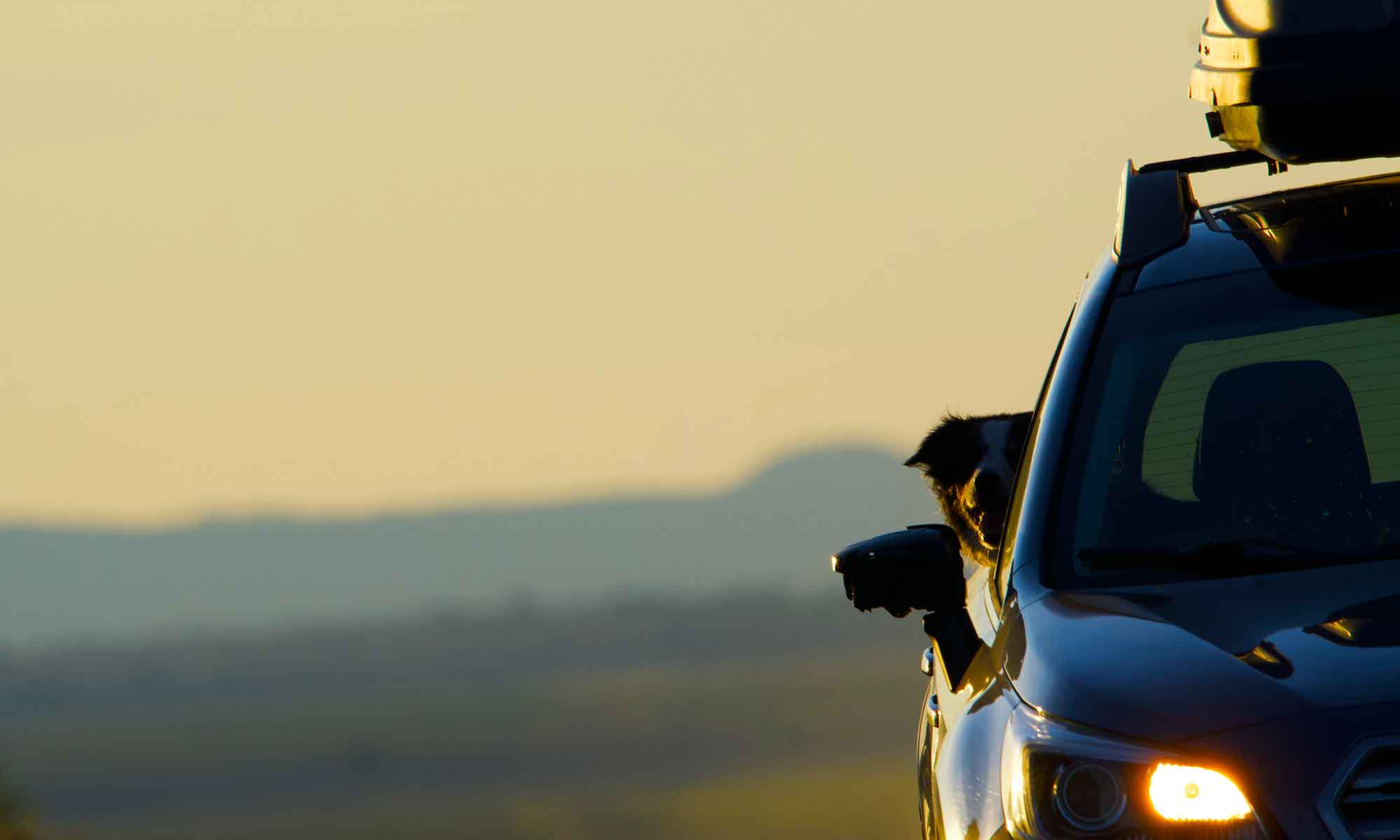
Winter has started it’s slow walk down the mountains. The Cascade range to our east wears a fresh cap of snow and more is in the forecast. From our vantage point on the valley floor it’s still a spectacular fall.
Before the gates close off the Cascade Lakes highway we thought it would be nice to make the loop.
The recent snow has Mt. Bachelor dressed in its winter cover. It also left a skiff on the road, at its base, and dusted the trees near Sparks Lake.
Cascade Lakes Hwy, east of Mt. Bachelor resort
Meadow grasses on the lakes edge are an array of reds, browns and gold colors.
There are a few aspen and maple at this elevation flashing fall colors. it was a perfect day for landscape images.
We’ve been taking advantage of these clear fall days, bracing for the rains coming next week . . . snow is predicted . . . a foot on the passes.
Mt. Bachelor as backdrop to meadow and Sparks Lake
This only dampens the roads, not our plans. We’re used to late fall weather on the high desert. The Cascade Mountains become a backdrop, rather than destination as fall shifts into winter.
This week mornings got markedly colder. First frost signals a trip to the orchards.
A series of fruit orchards line the foothills under the northern slopes of Mt. Hood. In all, there are some 14,500 acres of fruit trees on the hills above the city of Hood River.
Just a couple of pears left on this tree
The first trees were planted in 1855 and now you’ll find 30 plus farm stands on a 35 mile loop road . . . the Fruit Loop.
Crimson Crisp Apples
Akane, Cameo, Pippin apples
The Farm we visit regularly is Kiyokawa Orchards. By mid-October they have around a 100 varieties of apples and pears set out in boxes, many featuring free samples. There’s also jugs of freshly pressed cider.
Honey Crisp Apple Cider
Yoko Apple
Ambrosia Apples
We make the drive to this orchard at least twice a year. We were here early in the season to get peaches, plums, and early apples.
Deschutes River at Warm Springs, a frequent stopover to stretch our legs
We return in mid-October to pick over the abundant variety of apples and pears. Most of these you’ll not find in you local mega mart, nor even in that nearby organic co-op.
The cloud cover lifts as we approach Mt Hood
It’s a bit of a drive, but we pack a lunch and make a day of it.
The morning starts with a trip out of the high desert on Hwy 26, and then down the east side of Mt Hood on Hwy 35 . . . turning west before we get to Hood River.
Looking south from Hwy 197 you see the Cascade Range and it’s foothills
After filling a few bags with a selection of fresh fruit, it’s back up Hwy 35, turning left on USFS 44 to Dufur, the Tygh Valley and Maupin.
Freight trains regularly run North/South along the Deschutes River
There is a mandatory stop on the Lower Deschutes where a couple of hours are spent attempting to catch a fish.
Enjoying a relaxing drive along the river
Then we take state route 197 to The Dalles-California Hwy (97) and back home. The whole loop passes through a myriad of different environments, which makes the drive not seem so long.
Plus, we have a box full of apples and a couple of gallons of fresh pressed cider. A good time was had by all.
The mornings are getting frosty with a chill that warms up about noon. We’re enjoying these fall days.
In July and August we have to work hard to avoid the heat of the day by seeking out shaded spaces.
Headed to the stream
After what seemed like a solid week of rain . . . actually it was just a couple of afternoons . . . we’re enjoying a string of cloudless days. Good time to get back on the river.
“… we’ll see if they like that pattern.”
The Crooked River has way fewer people as the season shifts. The fishing is still good. We’re on the stream a bit later in the morning mostly to avoid the frost.
By noon the sun requires we push our chairs into the shade. However, it’s still a pleasant temperature.
Praying Mantis
Fall sees a shift in bird activity . Some days are filled with flocks on migration and other’s near void of any wildlife activity.
This day we encountered a unique species . . . a Praying Mantis. It landed on JQ’s arm as if asking for its picture to be taken.
Don’t remember ever seeing one of those on the river.
Back for some lunch and a cold drink
Typical with fall in the high desert, this clear weather will be interrupted by another few days of rain before the skies clear again.
Relaxin’ on the stream
This week that storm front will move in on the weekend leaving mid-week open for us to wander about. It’s hard to beat fall in Central Oregon.
Sometimes there are things in your own backyard that should be explored.
Our intent has been to eventually visit all points of interest in the immediate vicinity. This week, one of the last unseen spots was our destination.
Closed for the season . . .
Lava Lands Visitor Center is just 20 minutes from our house. We pass it every time we take OR 97 north.
It’s been on the list for years, but there are some small obstacles. The center’s main attraction, a trip to the top of the cone, is closed from November to June.
There is also the added issue that to get to the top of Lava Butte you have to take a bus and we’re not ‘ride the tour bus’ people.
In 1990 a 50,000 acre area around the Newberry Crater was designated a national monument. Newberry is a Shield crater . . . a massive mound rather than the conical spires that are typical of Cascade Range Volcanoes.
The Lava Lands center sits at the north end of a series of volcano centric sites. This is perfect location for geology enthusiasts.
We’ve wandered all but the Lava River Cave (don’t care for caves) and of course Lava Butte.
Lava bed beneath a stormy sky
There are a few weeks on either end of the season when you can get a free pass and drive your own car to the top. This was one of the last weeks you can do that, or so we thought. Government shut-down foiled our plans.
There’s always next June . . . though it was a nice fall day, so we walked the ‘Whispering Pines Trail’ and marveled at the ancient lava flow.
A Blackbird perches effortlessly on bare tree branches
It’s Fall. The equinox was this week and the weather has cooled. Just yesterday we had our first frost.
It’s not snowing, yet . . .
Mornings are still mild and we continue to have warm days ahead, but still, . . . it’s feels like Fall.
The trees around our house fill with a different species of songbird nearly every week. A gang of Jays has been stalking the area and V’s of Canada Geese honk their arrival overhead.
Before duck season fills the parking sites with RV’s, and chains close off loop roads, we like to make a seasonal visit to Summer Lake.
Summer Lake Wildlife Refuge
It’s just an hour’s drive, so if there’s no activity, we’re not giving up much of the day. That was not the case this day.
The refuge was filled with activity and a wide variety of birds.
American White Pelicans
Black-necked Stilt
Common Greenshank
White Pelicans
Grebe
Year around there’s a least one Squadron of Pelicans, a Great Blue Heron, some raptors, and a smattering of the hardier song birds to populate the marshes of Summer Lake.
Great Blue Heron
Ibis
Great Egret
Then, a couple of times a year, seasonal migrations bump those numbers and bring in a lot of different species. These are ideal times to visit.
Before we even got to the refuge, there were a couple of Sand Hill Cranes resting in a field along the road. We spotted a few more pairs at various points during our regular loop drive.
A pod of pelicans float by a Great Blue Heron
In managing the refuge there is a seasonal shifting to water levels in the various ponds. In the fall it seems the ODFW attempt to give hunters some easy access points, but also offer more protected spaces.
On this trip the pond on the west side of the dike loop road had just a thin layer of water. This seemed to be just what the shore birds wanted. The place was filled with a huge variety.
Refuge managment means shifting water levels
Once again we enjoyed the space without any other people. This makes it easy to stop on some of the narrow roads to get a photo or put the binoculars on an unfamiliar group of visitors.
They do look a bit like dinosaurs
We’ll be back, of course, but not before winter takes hold and then it will be a very different landscape . . . beautiful in a different way.