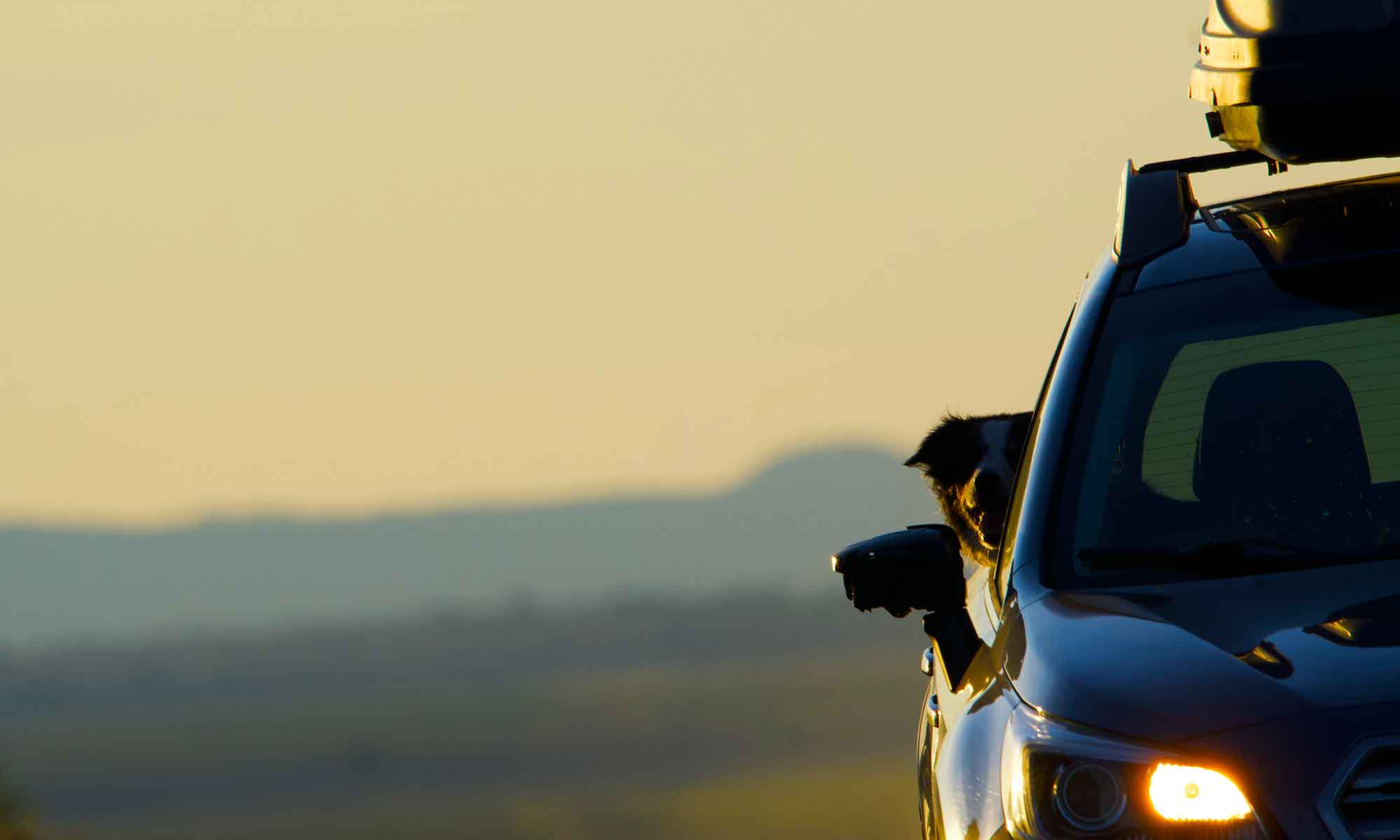
Wildfires are burning all around us. This week instead of subjecting you to another appliance upgrade ‘update’, we’re just going to leave a picture of this morning’s sunrise on the AM walk. Yeah, it’s kind of smokey.
There are 600 acres burning on the eastern edge of La Pine, 4 houses were lost and a bunch of outbuildings. That blaze has a fireline around it. However, there are 6 thousand acres burning east of Sisters that still threatens homes up there. To the southeast of us is currently the largest wildfire in the western US. The Bootleg Fire is burning 220 thousand acres and remains very active.
A heat dome and the wildfires have kept us pretty much at home. Hope you’re doing better than us … though as the winds shift you don’t need to be close to a fire to still get covered with smoke.
This is an interesting web site to track not just fire activity but the smoke cover. We’ve seen a shift from good to poor air quality as the winds moved more westerly this last evening.
The past week was marked by record high temperatures in the PNW. As Oregon melts, we are in the middle of an appliance install project. A new laundry pair is in place. Kitchen appliances are ‘staged’ which means they exist somewhere in a wonky supply chain.
Mask wearing is only part of pandemic pain. Try buying a major appliance. We had to make choices around availability when it came to the pieces that really needed to be replaced. Even so, we are over a month on the first delivery and another 4 weeks (maybe) on the last.
Even just a LED makes laundry day a bit better.
The laundry (which is complete) was a big job as we had to repair some water-damaged dry wall. A process that evolved into pulling cabinets and a small counter off the wall which added to the repair work.
Sheetrock, mud and tape is not my strong suit but the job was small enough that we managed to end with a decent looking wall. New paint and shelves help camouflage imperfections in the patch work.
Paint was a big part but we also pulled up the vinyl flooring and put down tile. Setting floor tile is a bit more in my comfort zone. The room isn’t exactly square which made for some interesting ‘fitting’ moments, but we managed to lay down a nice new floor covering.
Now we wait on the delivery pipeline. The freezer side is more ‘just colder’ these days.
However, we did find a suitable fridge that will be here end of week. Hopefully there will be minimal melting.
The other good news is we have AC so the heat wave didn’t really hamper our efforts. With a bit more luck our home will be updated by end of summer.
What started as a project to replace a washer and dryer … became so much more.
This week’s adventure is a bit closer to home … like at home. Just a few weeks ago our dryer started to take longer to dry and the start knob needed some creative fixing. So we decided it was time.
Old laundry room and appliances
Appliance shopping post pandemic qualifies as an adventure, but to add to the complexity, we discovered a small leak where water feeds the washing machine.
Now we have the task of getting delivery on a laundry pair and repairing ruined drywall. The problem is complicated by a laundry area just wide enough to fit machine and walk-way.
The subsequent juggling of appliance delivery, plumber to cap the natural gas line and wall fix turned into a re-do on the whole room. New flooring, baseboard, paint and shelving.
New drywall in, walls prepped for priming.
The smallest detail will stall out a home improvement project. Thanks to having built a house, we have skills and no shortage of tools. However. it will take multiple trips to the hardware store before we have collected all the bits and bobs required.
Appliances get delivered the week this is posted. Presently we’re in the thick of the “mess” with any luck there be a load of laundry tumbling in a re-furbished space by weeks end.
Our fishing adventures are not season dependent. We’re on the stream all times of the year. However, there are some aspects of fishing early summer that add to the enjoyment. Prolific bug hatches bring dry fly fishing and that is the best.
Waiting on the strike.
Now there are aquatic insects constantly crawling, or swimming, regardless of season, weather, or temperature.
As temperatures rise, insect activity increases. In summer the hatches are more frequent often bigger bugs and peak dry fly season is here.
Sometimes all it takes it one size smaller.
Basalt cliffs of the Crooked River
The zenith, in our area, is the Salmon Fly a large stone fly hatch on the Deschutes river. Closer to home is the “mother’s day caddis” a prolific hatch at the end of May (thus the name).
This event brings the Crooked River out of winter’s quiet crowd-less days and into a near fishing derby atmosphere. Venture up there on a weekend to find every pull-out and camp site is filled with rod vault festooned trucks. The river is littered with wader covered bodies thrashing flylines on the water.
We share the stream with osprey, though it seems they are the better fisher.
We manage to avoid most of this nonsense by hitting the stream mid-week, though there are still above average crowds. In a few weeks the Crooked’s banks will quiet down, but for most of June it’s game on.
Wading staff waits on the next move upstream.
There is clearly sport found in swinging nymphs and cold weather isn’t the limiting factor. Fish are always feeding and fisherman find success in sub-surface presentations. The biggest catches are typically taken on nymphs or streamers drifted through feeding lanes.
Tip has become a “river dog.” He is quite adept at reading the water and finding just the right spot to wade in for a drink.
That said, there is nothing that compares to fishing over a hatch. Floating an imitation along the top of the water, waiting on a flash of silver, the reaction to hook set, and the rod bending to the fight. It’s just more exciting to take fish on a dry fly. Thus we are here, sharing the river with too many hatch seekers and shrieking with joy even at the strikes we miss.
A lone tree marks the trailhead into the Spring Basin Wilderness. Numerous side canyons provide opportunities for solitude. On this particular day we had the place to ourselves.
This week’s adventure focused on the Spring Basin Wilderness Study Area and our continued search for desert blooms. Cacti generally, more specifically Hedgehog Cactus, hopefully in bloom. Oregon’s high desert doesn’t support cactus like the southwest desert, however, there are prickly pear and hedgehog cacti and Spring Basin is known to have both.
Primrose
Thistle
Lupine
Wild Heliotrope
The adventure starts with a drive north out of Madras and in a few miles we turn east toward Fossil. The route winds through high desert pine forests presenting an abundance of spring blossoms right along the highway. Spring Basin’s trailhead is reached by gravel road off Shaniko-Fossil Hwy just after you cross the John Day River.
Desert Daisy
Clown Beetle
A weathered sign board in a dusty parking area with a single flat metal post designates the trailhead. There is only a bit of shade offered by a single pine tree. A gentle incline, covered in sage and native grasses, sits below basalt cliffs marking the wilderness areas outer edges. The cacti we’re looking for may be scattered along this hillside and we assume, after the trail crests the cliff, though we’ve not hiked that far up.
JQ hoped to get a shot of a hedghog cactus in bloom, a rare find, but was just as pleased to discover a prickly pear cactus blossom.
Brittle Prickly Pear Cactus
After Spring Basin we continue the drive east to Fossil, then turn south eventually crossing back over the John Day River and connecting with Twickenham Road. At this junction we are on the eastern edge of Sutton Mountain Wilderness study area.
Sutton Mountain Back Country Byway
Sutton Mountain’s West border runs up against the Painted Hills Unit. That side of the wilderness study area looks somewhat innocuous, just a series of sage and grass covered hills that aren’t all that mountainous.
We’ve driven the gravel road from Painted Hills to the John Day River and Burnt River Ranch. The journey on this side of Sutton Mountain offers a totally different geology.
Emerald-green lichen covers the rock walls of Girds Creek Canyon
A gravel road cuts through a canyon lined with amazing cliffs of basalt. It then drops into the John Day river valley where the deep green of irrigated fields contrasts with hillsides colored in shades of brown.
High desert cliffs of Sutton Mountain
A narrow single track gravel road hugs the boundary’s now more mountain-like slopes twisting around ridges and into ravines. Eventually it flattens back out onto grazing land and connects with the Burnt Ranch Road.
Here we turn south, pass the Painted Hills unit onto Highway 26 and home.


 A heat dome and the wildfires have kept us pretty much at home. Hope you’re doing better than us … though as the winds shift you don’t need to be close to a fire to still get covered with smoke.


 Now we wait on the delivery pipeline. The freezer side is more ‘just colder’ these days.


 A weathered sign board in a dusty parking area with a single flat metal post designates the trailhead. There is only a bit of shade offered by a single pine tree. A gentle incline, covered in sage and native grasses, sits below basalt cliffs marking the wilderness areas outer edges. The cacti we’re looking for may be scattered along this hillside and we assume, after the trail crests the cliff, though we’ve not hiked that far up.


