The devil you say

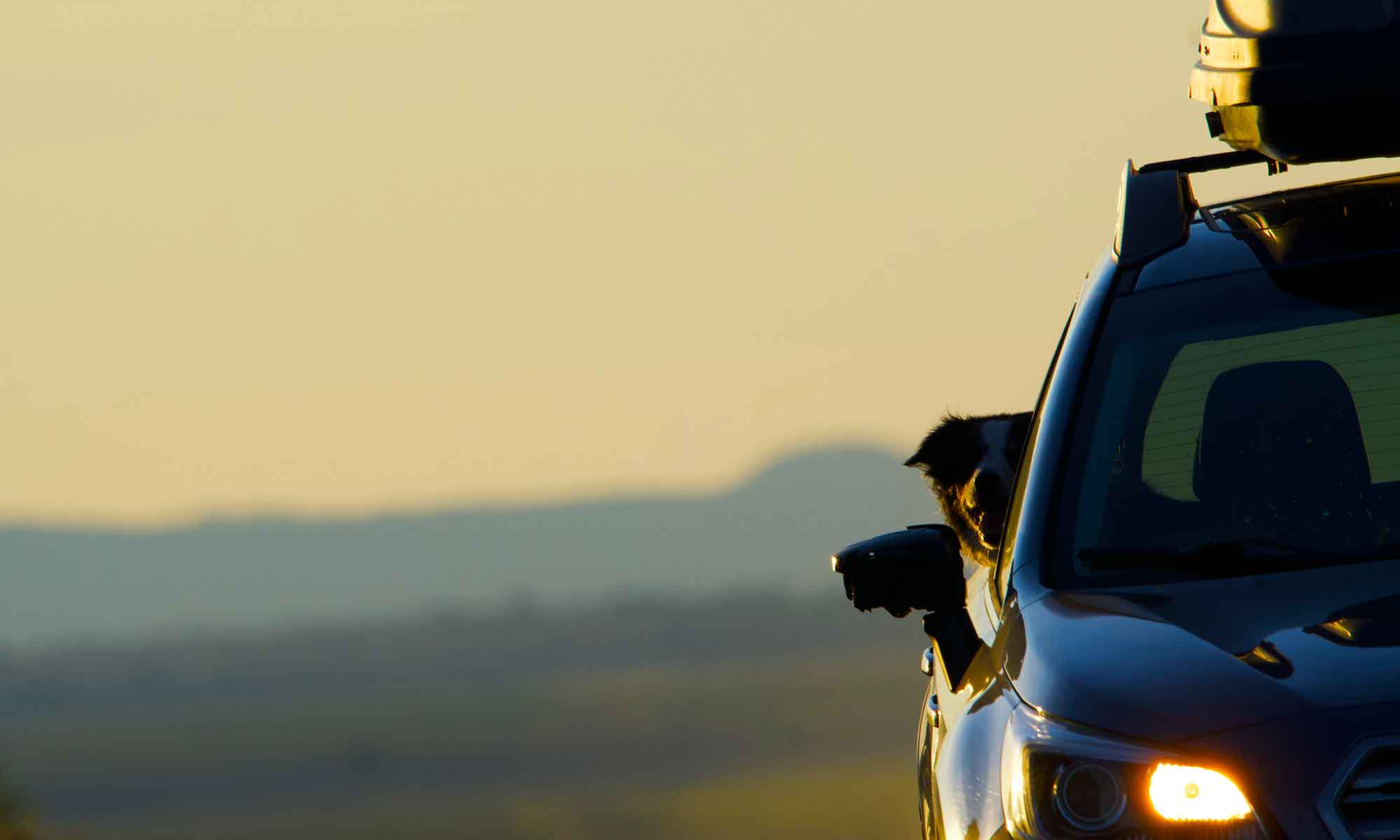
We’ve been out of sorts lately. A recent encounter between a deer and our car (the deer survived, our car not so much) has us sans our all terrain vehicle. With the car at the body shop for 4-6 weeks, our normal schedule has been slightly upended.

Luckily for us, a recent trip to our local grocery store provided inspiration. Several items which have been out of stock since March suddenly appeared … namely, pickling salt and cake flour.

Bread and Butter Pickles

This is a staple in our pantry and unfortunately, we are on our last jar! The timing couldn’t be better. The pickles are used in our homemade potato salad and extra juice is used for brining hard boiled eggs.

Devil’s Food  Cake
A mix of dutch-processed cocoa powder, unsweetened chocolate and hot water enhances the chocolate flavor. A combination of cake flour (tender crumb) and all-purpose flour (structure) create a melt-in-your mouth texture.

Jack recently put in a request for cake. It needed to be chocolate, packed with flavor and easy to freeze.   I went to the experts of food alchemy, Cook’s Illustrated, and found what I hoped was the perfect cake … Devil’s Food Cake.

The essence of this cake is a very moist, velvety texture, combined with intense chocolate flavor. Sounds perfect. We baked it in a sheet pan to help meet the freezing requirement. The cake itself is so rich in flavor it doesn’t need frosting. What you say? No frosting? Yes, it’s that good.

Print Recipe
5 from 1 vote

Devil's Food Cake

An extremely rich and tender cake, that if baked in a 13x9 pan, will NOT need frosting to be a great treat.
Servings: 10 people

Ingredients

  • 4 ounces unsweetened chocolate chopped
  • 1/4 cup dutch-processed cocoa
  • 1 1/4 cup boiling water
  • 3/4 cup unbleached all purpose flour
  • 3/4 cup cake flour
  • 1 tsp baking soda
  • 1/4 tsp salt
  • 16 tbsp unsalted butter 2 sticks / softened
  • 1 1/2 cups brown sugar packed
  • 3 large eggs at room temp
  • 1/2 cup sour cream
  • 1 tsp vanilla extract

Instructions

  • Adjust the oven racks to the middle position; heat the oven to 350º F. Meanwhile, grease a and line the bottom of a 13x9 pan with parchment. Combine the chocolate and cocoa in a medium bowl; pour the boiling water over and whisk until smooth. Sift together the flours, baking soda, and salt onto a large sheet of parchment paper; set aside.
  • Beat the butter in the bowl of a standing mixer at medium-high speed until it is creamed, about 1 minute. Add the brown sugar and beat at high speed until light and fluffy, about 3 minutes. Stop the mixer and scrape down the bowl with a rubber spatual. With the mixer at medium-high speed, add the eggs 1 at a time, beating 30 seconds after each addition. Reduce the speed to medium; add the sour cream and vanilla and beat until combined, about 10 seconds. Stop the mixer and scrape down the bowl. With the mixer at low speed, add about a third of the flour mixture, followed by about half of the chocolate mixture. Repeat, ending with the flour mixture; beat until just combined, about 15 seconds. Do not overbeat. Remove the bowl from the mixer; scrape the bottom and sides with a spatula and stir gently to thoroughly combine.
  • Pour the batter into the cake pan. Place the pan on the middle rack. Bake until a toothpick or skewer inserted in the center comes out clean, about 30 minutes. Cool the cake on a wire rack for 15 to 20 minutes. Run a knife around the perimeter of the pan to loosen. Invert onto a large plate; peel off the parchment paper and reinvert onto a rack. Cool completely. Sprinkle a light dusting of powdered sugar on top or apply your favorite frosting.

A Day on the D

This week we returned to a favorite fishing site, the Upper Deschutes River.

Proximity to our house makes for a perfect day or even half day jaunt.

Numerous pull-offs and side roads offer access to grassy banks, perfectly suited for a camp chair.

The Deschutes River is divided into three zones, Upper, Middle and Lower. There is a striking difference between these separate stretches of river. It’s entire length is bank fishable, with lots of access points for picnicking as well as camping.

This day we tried a new spot just downstream from the head waters and Little Lava Lake. From here the river flows south into the Crane Prairie Reservoir, eventually turning north out of Wickiup Reservoir and onto the Columbia River. This close to the head waters means the stream is more wadeable but holds smaller fish.

Nothing better than a dust bath after a swim in the river …

The stream is never more than knee deep so we can wade and fish either bank. It is also perfect for a game of fetch with Tip.

The biggest fault with this weeks jaunt was a lack of fish caught, but that was made up in time spent pulling a stick from the river.

Summer Gear Up

We had some grand plans for summer gear options and then Covid wrenched the works. So now it seems like a good idea would be to share a list of “gear” we discovered during lockdown.

Hand sanitizer should be at the top of this list. This stuff has been as rare as hen’s teeth in most stores since March.

There are a number of online recipes to make your own, but even the basic ingredients for this DIY project are difficult to find, well except for vodka.

More recently the stuff is showing up in stores again, but in using this stuff we’ve found that spray is far better than that gelatinous goo we’re used to. The other aspect of the ‘sanitizing’ process is boxes, countertops and general grocery wipe down. for this we are using bleach based sprays.

Masks, perhaps the hottest fashion accessory of 2020, have gone through a  number of iterations over the past few months. What was nearly impossible to find in March, has become standard crowd-funded projects and Target checkout counter fare.

We’ve moved through a couple of versions, starting with no-sew cotton t-shirt squares, a Buff, and the classic bandana. These were soon upgraded to basic black sewn cotton, then evolved into our current shaped silicon with replaceable filter. It seems that the face mask is going to be with us for the foreseeable future, so I’m sure that this collection will be expanded yet again.

The quarantine has made us better food shoppers. Infrequent trips to a grocery store mean you need to devise methods to make what you find last longer.

The tool proving most useful in this process is the “food saver.” Breaking down quantities of any purchase into meal sized portions and then freezing them has made a big difference in getting the most out of our groceries.

Story and picture

It wasn’t that long ago you needed to carry a camera if you wanted pictures. Of course, this was not always conducive to the spontaneous capture of life’s simple events … all possible with phone and app.

This blog has always been an excuse to post pictures the way we want them to be seen. To that end, we’ve pushed the limits of our iPhone cameras.

Simple lenses offer a fraction of the image detail,  but it does get a boost from some very clever software and offers some pretty good pictures.


We enjoy exploring remote landscapes, so naturally wildlife photography is one of our interests.  iPhones, unfortunately, are not great tools for this type of image taking.

We’re not advocating abandonment of smart phones, it’s just time to up our game a bit.

This week we spent nearly every day working with a Sony mirrorless system and super telephoto lens. There were some successes and plenty of learning opportunities.

Kudos to Jack for getting this beautiful shot of an American White Pelican!

We made good use of the rental. By the end of the week we had completed 9 separate shoots and taken nearly 10,000 images. It was a great experience … and we are hooked!


Birding to Social Distance

Tree Swallows

You may have heard of Malheur Refuge in southeastern Oregon’s high desert.  It’s known for it’s birding, fishing, and hunting.

But just 200 miles east of there is our favorite site to photograph birds and wildlife, Summer Lake Wildlife Area. It is strategically located within the Pacific flyway and sits in the northern corner of the Great Basin.

Great Egret

For birding, we’ve found Summer Lake is more rewarding. You can gain access via car and dike paths to the marsh lands. Canals and ponds are adjacent to the major loop road.

Plus there are camp/picnic sites within easy access. It might also be that Summer Lake is just an hour’s drive from our house.

Yellow-headed Blackbird

We manage to spend a day at the refuge at least every other month, keeping track of the migratory birds, as well as full time residents. There are nearly 300 bird species that nest or pass through the area and it also hosts about 40 different mammals and another 20 or so fish, reptiles and amphibians.

Currently we’re looking to upgrade our photography kit with shooting wildlife in mind. This means we need a telephoto lens at least 400mm.   Borrowed Lenses has equipment rentals so you can try out a camera and lens to see if that is going to work. This saves a lot of frustration in what will eventually be a major purchase.

Muskrat

The week’s  trial was enlightening.  The lens, a 200 to 600mm zoom, was a great fit but we also fell in love with the camera, Sony’s A6400. The other piece of information gleaned was that a smaller, lighter wide angle lens is going to be critical.

Trumpeter Swan Family

Being able to capture images at distances even with the great level of wildlife proximity Summer Lake offers has always been an issue. iPhone cameras are great, Moment lenses work well, but neither of these let you “pull in” those distant critters.

Tree Swallows


The week was spent with lots of early morning trips to all our favorite haunts. Not just the edge of a marsh, but the mountains and onto a stream side as well. I think in all we had some 5K frames to work with … with wildlife that means you have about 2 dozen decent shots.  The ones shared here are just a few. Expect a new photo essay going up next month.