Oregon’s roads present us with so much more than a means to an end. Each turn presents new vistas, viewpoints, historical markers, even whole roads designated scenic byways. This day it was a cattle drive.
A Fort Rock area rancher was moving his herd to new pasture using Highway 31 west of Summer Lake. The wait was much more entertaining than a construction zone. Complete with cowboys on horses and cattle dogs.
We pulled to the side of the road, rolled down the windows and uncapped our lenses. Except for the blacktop you might have been sitting on the sage prairie two hundred years ago. Then 20 minutes later we are back on our way to Summer Lake and another roadside treasure.
In attempting to eat better, we’ve made an effort to get more whole foods onto the plate. Busy schedules make cooking a challenge, which often means we just skip the vegetable serving. We’ve started doing “meal prep,” making multiples of the dish for a week’s worth of eating. To this scheme came oven roasted veggies and a nice solution to the “eating healthy” problem.
There is a bit more upfront work, cleaning, peeling, and chopping when cooking a sheet pan full of vegetables. The upside is that you do the work when you have time and eat better when you don’t.
These premeasured meal additions can be tossed into a morning scramble or microwaved while the evening’s entree is cooking. We even toss a ½ cup of veggies on a lunch salad. Keeping the seasoning simple makes it possible to match any evening’s meal by just adding an herb or spice blend.
So start by lining a baking sheet with foil, spray it lightly with cooking oil and preheat the oven to 400 degrees. Then gather up a mix of vegetables. Keep in mind its a multi-meal prep, so figure about 4 to 6 ounces a serving. The mix is your choice. For us it’s usually an onion, 3 or 4 carrots, 2 stems of broccoli, and a couple of ribs of celery. During wintertime I’ll add root veggies to that mix. In all, I’m chopping up about 3 lbs of veggies to get 5 meals.
Take your time chopping so that you get a consistent size on all the pieces. One inch cubes work well. The time spent getting even chunks will make it easier to get an even roast.
All that chopped up goodness gets put in a large mixing bowl.Drizzle a bit of oil, a pinch of salt and pepper and then toss to combine. It works to add oil, salt and pepper in a couple of stages to get an even coating on all the pieces.
Spread the veg mix in a single layer on the prepared baking sheet. If you have an extra large batch you can use two sheets and stagger the racks in your oven. Keeping it to a single layer makes all the vegetables cook at the same rate.
Roasting generally takes about 20 minutes, but check and turn at the ten minute mark.The exception would be when you have a lot of hard root vegetables. Here you just keep turning at ten minute intervals, until done.Done is a personal preference.We like to have some browning, but not get too soft. Keep in mind that portions of the roasted mix will be reheated to serve later.
From the oven you return the mixture to that large mixing bowl in which you’ve put a tablespoon of red wine vinegar and one to two tablespoons of some finely chopped fresh herb.Tarragon and thyme get used a lot in our house, but I’ve also minced garlic or ginger.More complex flavoring, say a touch of harissa spice for some heat is usually done on smaller portions rather than the main batch.
Toss the mix to get an even coating and then let it sit a bit. At this point we portion it out into 16 ounce deli cups and when cooled place in the fridge until needed.
For a flyfisher little compares to plying dry fly to stream. A moment where a fish breaks the surface, hook is set and a flash of silver proceeds your line going taut. Most of us are on the river for that experience.
However, there is a great deal of time when no bugs skitter across the water. The fish are, as any seasoned angler will tell you, always feeding. It’s just most of the time that is done below the surface.
You can enjoy a good book when there is no hatch. Or, you can employ a wet fly technique of which there are many. The current method we are attempting is “Czech Nymphing.”
“… The fly line is hanging under the tip of the rod and its end often does not even touch the water. “
The origin of this style of fishing varies, but we kind of like the story about a Polish fisherman who stunned the 1989 World Flyfishing Championship with a very different style of fishing and unique hand tied flies.The beaten Czech team came back in subsequent years and “owned” the technique by basically being better marketers than the Poles.
This week we attended a ‘how-to’ clinic on the Crooked River. Organized by Sunriver Anglers the morning’s lesson was guided by Mary Ann Dozer an accomplished Euro Nympher, fishing guide and a master casting instructor. We had a blast!
Many fish were hooked. A dozen were actually ‘caught,’ and our education in short line nymphing has started. Along with how to manage line, rod and flies, we also got great pointers on casting, as well as how to read the water.
The Crooked’s boulder strewn bottom is readable from the surface. As water roils around or flows over structures in the river you can get an idea of sub-surface formation. With that information you can find the best place to toss (cast) your rig.
This river has long been a favorite place to park our van and fish the tail waters of Bowman dam. The river is known for its Redband Trout population (a subspecies of Rainbow trout). There are a fair number of fish in this river, though most are smaller sized. That said, it’s a much friendlier wade than the Lower Deschutes. Which was particularly true on this day.
I’ve noticed that food or more to the point, the cooking of a meal is wrapped in a story. Taste and smell inevitably evoke memories, and this is that kind of recipe post. Please bear with us on this.
Twenty years ago we spent summers exploring all parts of the Pacific Northwest in a 1982 Westie with a pack of border collies. During one of these jaunts, I discovered a 10-inch lodge cast iron skillet in a secondhand store and added it to the camping kit. There it stayed until getting pushed to the back of a cupboard. All but forgotten.
In retirement we found a local butcher shop and discovered beef doesn’t have to be buried in a sauce, ground up, or cooked for hours to be edible. Yes, it was a bit more per pound, but we’re not eating 24 ounce t-bones.
The initial method I thought to employ was fire … coals to be more precise. This proved less than ideal. With some research it became clear that steak needs to be seared on a hot griddle, and by hot, I mean five hundred degrees fahrenheit. This ‘research’ also pointed out how hot the cast iron skillet had become in culinary circles, the holy grail of steak cookware.
A cast iron skillet is critical. You really should own one. You can find designer models for hundreds of dollars, or you can pick up the classic Lodge brand for about forty bucks. I had that five dollar thrift store find sitting under a dutch oven in my kitchen. Sorry, I don’t think you can even find them at Goodwill anymore. Amazon has Lodge but so will your local sporting goods or Ace Hardware.
Cooking a great steak will require something more than just a cast iron surface. There is the steak itself and here you need to spend a bit more. Fred Meyer’s shrink wrapped family pack may seem like a bargain, it’s not. Regardless of what method you employ, it’ll hit the plate tasting like the material it was sitting on.
Find a meat market, talk to the butcher and ask for a rib eye about an inch and a half thick in the 10 to 12 ounce range (for two people). This is not the time to look for lean. Rather, you need to have lots of whitish flakes running through the meat.
Next, grab a pack of fresh thyme, some garlic, two or three shallots and a couple of handfuls of mushrooms. A red wine would be nice something in the Pinot Noir or Cabernet family.
Unwrap that piece of beef set it on a plate and sprinkle both sides with salt and pepper. It is all right that it sits on the counter while you complete the prep.
De-stem and slice the mushrooms, about ¼ inch thick and transfer to a bowl. Peel the shallot and slice it about half that thick. Mince up three cloves of garlic. Drop the garlic and shallot into another small bowl, and cut a two tablespoon cube of butter on top then add a half dozen springs of fresh thyme.
A surface read thermometer is handy, but you can do this by eye if you’re careful and have a good range hood fan. Set an empty skillet on the burner, turned to high. After about 30 seconds, pour in two or three tablespoons of olive oil. Just enough to coat the bottom of the pan. When the oil starts to shimmer, set the steak on its surface, reduce the heat slightly and start a five minute timer. With a surface read thermometer you are looking for a temp of about 470.
After 5 minutes, add the bowl of shallots, garlic, butter and thyme to the pan, turn the steak and restart the timer. You might turn the heat down a bit here as well. You can also use a spoon to baste the steak with the herb/butter juices you’ve just created.
At the end of the second 5 minutes, turn the burner to low, pull out the thyme sprigs, move the steak to a plate and cover it with foil. Add the mushrooms to the pan, and if necessary another tablespoon of butter. At this point you can deglaze the pan with a nice red wine and a dash or two of Worcestershire Sauce. Continue to sauté the mushrooms until cooked.
Uncover the steak and pour the juices over the mushrooms to add to the sauce and turn off the stove. Move the steak to a cutting board and cutting across the grain make ¼ inch slices. Divide the mushrooms between two plates and spread the slices over the mushrooms and enjoy.
Sometimes when you start out for the day there is a destination in mind. Other times you don’t know where you’re going, and once in a while it changes mid journey.
Last week we had just that kind of day. It started with a trip to get sunrise images at Fort Rock, maybe grab photos of raptors, and hike up around the rim. It was a frosty morning, a bit too cold for a long walk, although we did pick up some great shots.
Generally speaking, we don’t like to return on the same route we came. With more of the morning to take advantage of, we pulled the maps and plotted a loop home that looked interesting. It took us over ground we’ve not yet explored … via forest service roads.
Bouncing around on small forest service roads is an adventure. Often not much more than a couple of ruts in the high desert duff, winding through the sage and pinethat nearly always presents you with spectacular views.
Central Oregon forests and high desert lands are typically crisscrossed by a web of dirt roads. Probably because it’s pretty easy to cut a road in this country.
Even when there’s not a road mapped, a simple two track exists on the ground. This means you really need to keep a close eye to the USFS road markers, those flat metal posts at most junctions with numbers on them.
Standard kit in our car are BLM and USFS district maps to aid the GPS.The forest service roads are numbered at junctions, unless some stoop has used it for target practice.Main routes (arterials) get assigned two digit designations. Secondary or collector roads are a four digit number, and local, short access roads, have three digits.
Arterials can be paved, are often graded and usually travelable. But when you start down the four digit routes it gets a bit more dicey. Few of these dirt tracks are maintained with any regularity. Here you need to navigate with some caution as you can run into rough patches, downed trees and worse.
We unexpectedly came upon a controlled burn in the Cabin Lake area. Drive through it? Nope. We took a sharp right on a 2-track lane, turning east, away from the choking smoke.
To the east of Fort Rock is a lava flow formation called the Devils Garden (scheduled for a separate day’s exploration). We start with USFS 18, skirting the western edge of that rocky structure, then turn on to 2431 and bump along the seam where forest meets high desert.
Our travels took a few different types of ‘4 digit’ roads that slalomed through second growth Ponderosa pine, offering frequent vistas out onto the Christmas Valley hay fields.
Eventually we wound up on the southern rim of Hole-in-the-Ground, a unique, if unimaginatively named geological feature.
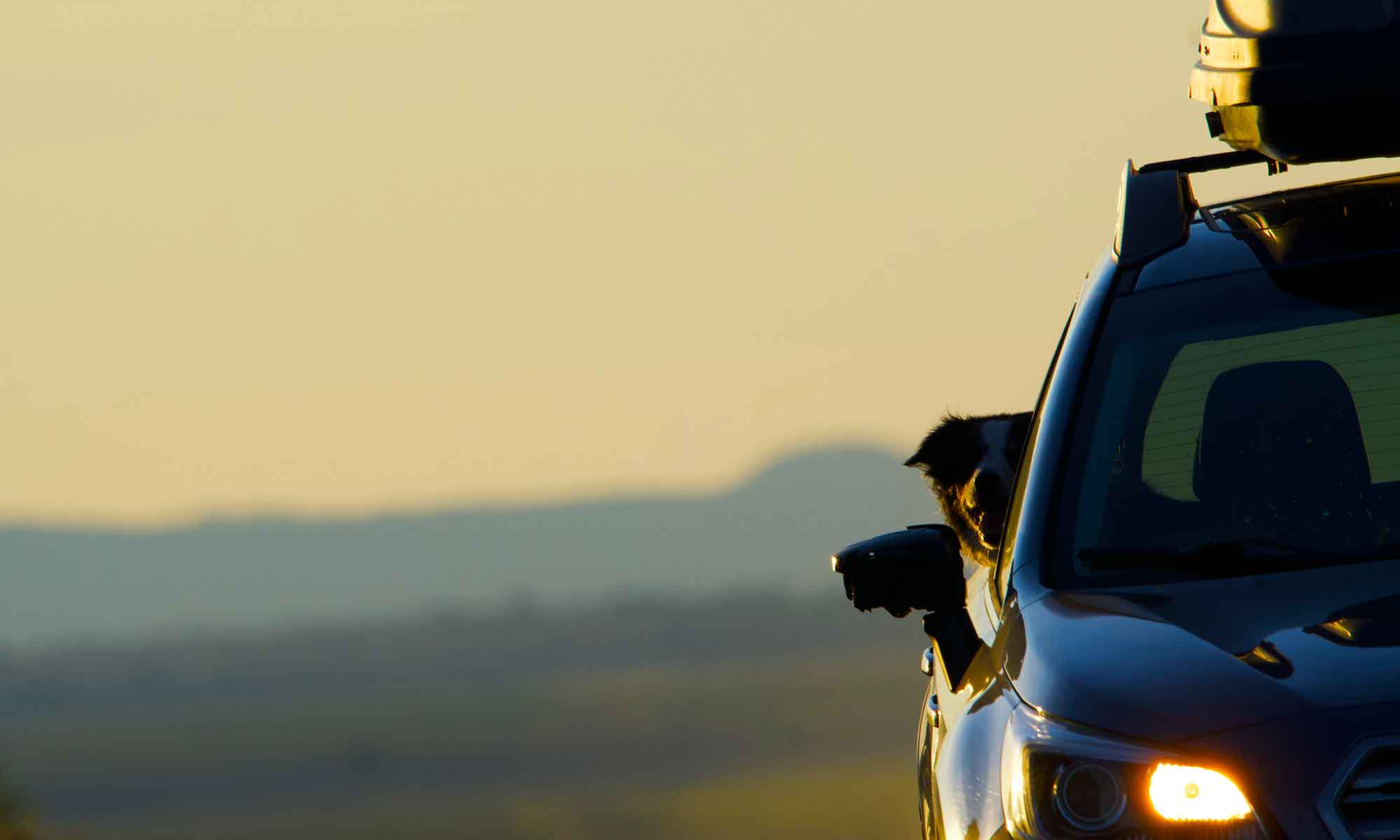
We ended the day’s expedition on a state route headed East to La Pine and used the highway speeds to shake a bit of the dust from the Subaru.


 So start by lining a baking sheet with foil, spray it lightly with cooking oil and preheat the oven to 400 degrees. Then gather up a mix of vegetables. Keep in mind its a multi-meal prep, so figure about 4 to 6 ounces a serving. The mix is your choice. For us it’s usually an onion, 3 or 4 carrots, 2 stems of broccoli, and a couple of ribs of celery. During wintertime I’ll add root veggies to that mix. In all, I’m chopping up about 3 lbs of veggies to get 5 meals.
 All that chopped up goodness gets put in a large mixing bowl.
 You can enjoy a good book when there is no hatch. Or, you can employ a wet fly technique of which there are many. The current method we are attempting is
  “… The fly line is hanging under the tip of the rod and its end often does not even touch the water. “


 Many fish were hooked. A dozen were actually ‘caught,’ and our education in short line nymphing has started. Along with how to manage line, rod and flies, we also got great pointers on casting, as well as how to read the water.


 This river has long been a favorite place to park our van and fish the tail waters of Bowman dam. The river is known for its Redband Trout population (a subspecies of Rainbow trout). There are a fair number of fish in this river, though most are smaller sized. That said, it’s a much friendlier wade than the Lower Deschutes. Which was particularly true on this day.
 I’ve noticed that food or more to the point, the cooking of a meal is wrapped in a story. Taste and smell inevitably evoke memories, and this is that kind of recipe post. Please bear with us on this.


 Sometimes when you start out for the day there is a destination in mind. Other times you don’t know where you’re going, and once in a while it changes mid journey.
 Last week we had just that kind of day. It started with a trip to get sunrise images at Fort Rock, maybe grab photos of raptors, and hike up around the rim. It was a frosty morning, a bit too cold for a long walk, although we did pick up some great shots.


 Even when there’s not a road mapped, a simple two track exists on the ground. This means you really need to keep a close eye to the USFS road markers, those flat metal posts at most junctions with numbers on them.


 To the east of Fort Rock is a lava flow formation called the Devils Garden (scheduled for a separate day’s exploration). We start with USFS 18, skirting the western edge of that rocky structure, then turn on to 2431 and bump along the seam where forest meets high desert.
 Eventually we wound up on the southern rim of Hole-in-the-Ground, a unique, if unimaginatively named geological feature.