
From all of us at Black Dog Hair Media . . . best wishes for this holiday season. js, JQ, Tip and Boo
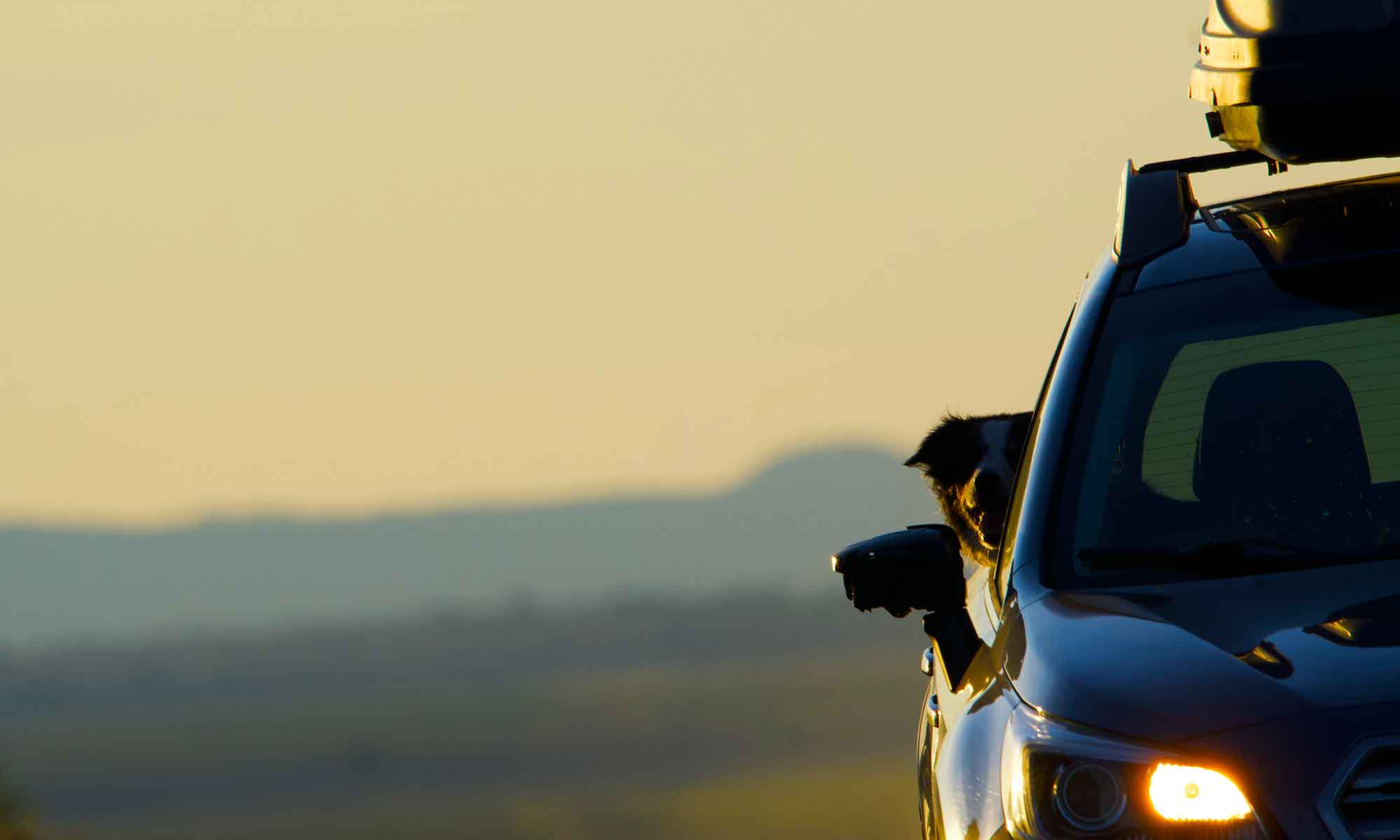


As a final post to our Look Back at 2025, it seems appropriate to end with a favorite subject . . . wildlife.
Every destination, regardless of the season, has interesting sights. Our attention usually focuses on the local inhabitants and their environment.

Whether we came for that purpose or not.

The drive to Summer Lake Wildlife Refuge is a destination specifically to bird watch.

But other places we stop, say to collect a few rocks or catch a fish, present as much or more variety to observe and photograph.


Hours have been spent sitting at river’s edge, camera trained on a clump of reeds offering protection to a family of Mergansers.


We watched a fledgling Osprey hold off a gang of Magpies and attempted to track the flights of butterflies.
With binocs and telephoto lens trained on a raptor we watched it devour a recent catch.
We noticed that the people parked two sites down hadn’t even looked up into the tree branches.
It’s important to take time and look around, to see what you’ve missed. An advantage to this slower pace is nature often comes to you.

A lunch on the rivers’ edge is filled with all manner of flora and fauna. Thankfully we have the time to watch it unfold.
Camera gear makes sharing experiences, as well as getting a better look, possible.

BlackDogHair blog serves as a journal on how we spent the week. A month of looking back at those posts reminded us how lucky we’ve been for the opportunity.

Winter has started it’s slow walk down the mountains. The Cascade range to our east wears a fresh cap of snow and more is in the forecast. From our vantage point on the valley floor it’s still a spectacular fall.
Before the gates close off the Cascade Lakes highway we thought it would be nice to make the loop.
The recent snow has Mt. Bachelor dressed in its winter cover. It also left a skiff on the road, at its base, and dusted the trees near Sparks Lake.


Meadow grasses on the lakes edge are an array of reds, browns and gold colors.
There are a few aspen and maple at this elevation flashing fall colors. it was a perfect day for landscape images.


We’ve been taking advantage of these clear fall days, bracing for the rains coming next week . . . snow is predicted . . . a foot on the passes.

This only dampens the roads, not our plans. We’re used to late fall weather on the high desert. The Cascade Mountains become a backdrop, rather than destination as fall shifts into winter.


This week mornings got markedly colder. First frost signals a trip to the orchards.
A series of fruit orchards line the foothills under the northern slopes of Mt. Hood. In all, there are some 14,500 acres of fruit trees on the hills above the city of Hood River.

The first trees were planted in 1855 and now you’ll find 30 plus farm stands on a 35 mile loop road . . . the Fruit Loop.


The Farm we visit regularly is Kiyokawa Orchards. By mid-October they have around a 100 varieties of apples and pears set out in boxes, many featuring free samples. There’s also jugs of freshly pressed cider.


We make the drive to this orchard at least twice a year. We were here early in the season to get peaches, plums, and early apples.

We return in mid-October to pick over the abundant variety of apples and pears. Most of these you’ll not find in you local mega mart, nor even in that nearby organic co-op.

It’s a bit of a drive, but we pack a lunch and make a day of it.

The morning starts with a trip out of the high desert on Hwy 26, and then down the east side of Mt Hood on Hwy 35 . . . turning west before we get to Hood River.

After filling a few bags with a selection of fresh fruit, it’s back up Hwy 35, turning left on USFS 44 to Dufur, the Tygh Valley and Maupin.


There is a mandatory stop on the Lower Deschutes where a couple of hours are spent attempting to catch a fish.

Then we take state route 197 to The Dalles-California Hwy (97) and back home. The whole loop passes through a myriad of different environments, which makes the drive not seem so long.
Plus, we have a box full of apples and a couple of gallons of fresh pressed cider. A good time was had by all.
It was a really busy week.
We got a lot done . . . except content for a blog post.
This morning we woke to snow. It looks like March is starting out white . . . oh well.
We’re back next week, thanks for checking in.