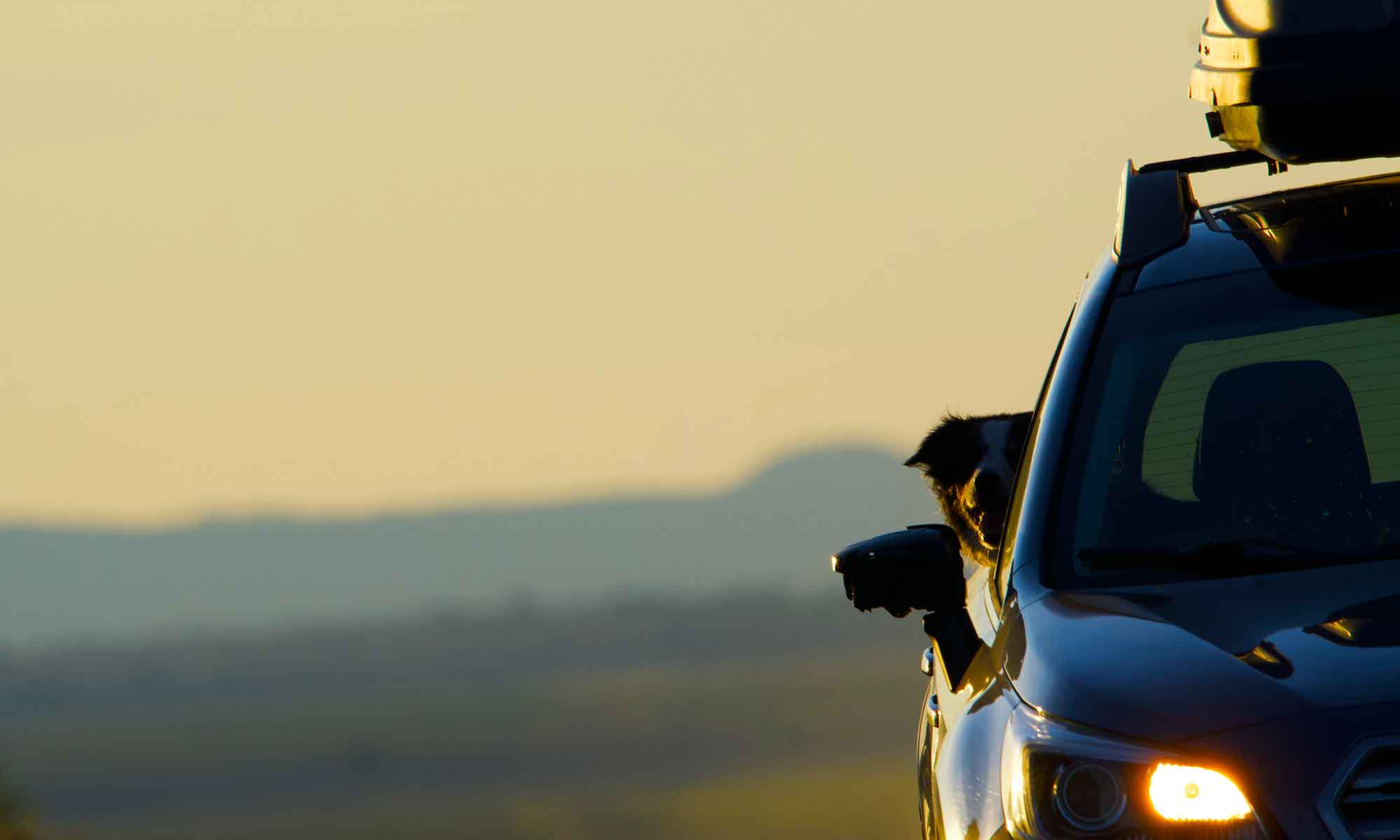
We spent this week trying to stay out of the heat. A wildland fire burning in the southwestern corner of Oregon finally managed to drift some smoke over our way. The drop in air quality on top of hundred degree daytime temps wasn’t very conducive to outdoor activities.
However, we did manage to fit in a trip to the Upper Deschutes. There are some well shaded nooks along the stream to set up a chair, cast a fly and throw a stick.
The weather man promises a moderation to record setting heat ahead , , , we’ll see. But there are plans being made to locate other shaded spots.
We do this a lot . . . visit a location repeatedly throughout the year. For us, it is often the destination, not necessarily the journey.
A calm stretch of river
There are times when exploring a space, looking for something unique, new or just different is the mission.
But that is not this week. This week we’re trying to just get outside.
There are few places as relaxing as a spot next to moving water. It’s still early summer and the days are warm and the camp sites are still relatively empty. Neither of those will be true in a couple of weeks.
A succesful fisherman
The Osprey caught fish . . . I did not.
We spotted an Oriole, which is actually pretty rare around here.
Bullock’s Oriole
These song birds forage in riparian corridors and mainly eat insects, berries and nectar.
Dandelion
The canyon is painted with yellow balsamroot and wild iris. June is peak wildflower season in the high desert.
Yarrow
Skullcap
Flixweed
Wild rose
Mostly, we sat in camp chairs on the edge of the stream just enjoying being outside.
Though rarely, there ARE times when we don’t want to be on a river.
After the middle of June, the Lower Deschutes Canyon is off our calendar. What we avoid is a summer influx of tourists and high desert heat . . . an aversion acquired while living in Western Montana and constantly cultivated.
River levels have returned to seasonal normal.Fresh growth on the sage
A highly anticipated Stonefly hatch usually precedes rafter season in Maupin.
After the runoff has calmed and waters have cleared AND before summer’s heat, we try to get one last day on the Deschutes.
This typically involves multiple trips as it turns out the Lower Deschutes is nice in the spring . . . and the fall as well.
Yellow Salsify
It’s still spring in the canyon. The barrage of summer’s heat hasn’t penetrated this far.
Wild flowers are still blooming, families of waterfowl hang in the reeds and the days are short enough to offer cool mornings.
Yarrow
The Subaru serves as a base of operation but loses its appeal when parked under a summer sun. A couple weeks ago, camp chairs at the road’s edge worked, but this week that approach required we find some afternoon shade.
Adult Golden Stonefly; Salmon Flies are similar, but have a red and brown mottled body color.Stoneflies rest in foliage during the day, flying over the water in the evening to deposit eggs.
The seaonal Golden Stone and Salmon Fly hatch is dictated by nature and water temperature. The term ‘hatch’, gets used to describe an individual event, but could also mean a series of similar events.
We’ve found it best to start with the latter. With an understanding of aquatic invertebrate life cycles, you can be on the river at the proper time . . . be patient.
Since late winter, we’ve been making the trek to Maupin to check progress on the stonefly’s crawl to river’s edge. A scientific study that has been well documented.
Seemed likely this trip would end the season, so I tied up an old standard, two actually; Box Canyon Stonefly and Langtrey Special. Both caught fish.
Oregon Ash
We spent the evening under a grove of Oregon Ash at BLM’s Blue Hole Campground.
We finished our picnic, enjoyed a cold drink and listened to the bird song and wind in the branches.
Winter in Central Oregon took a vacation this week. In its place we got a false spring. Understanding this would be short lived, we headed north to Maupin and renewed the quest for a BWO hatch.
Weather is only an issue if you’re not prepared. 35 years ago we exchanged winters of snow and ice for ones with gray skies and rain. A move that required a shift from down to gore-tex . . . Malones and Sorels got changed out for Carhartt and Bogs.
Then came retirement and a move back into winter with snow as a season.
Once again we’re shoveling driveways, layering up and parking sorrels by the door. There is also a lot more sunshine and when you can choose the days you drive . . . winter weather is much less of an issue.
Canada geese
Great blue heron
The Lower Deschutes shed it’s morning frost as the sun reached the canyon floor. It was a good day on the river. We hooked some fish, though there was no mayfly hatch this day.
Winter is a great time to see Common Goldeneyes
There was a raft of ducks riding the current and a Great Blue Heron stoically perched on a bare tree top.
Not suggesting weather isn’t a focus, it is, but it is only part of the planning. This year’s winter has presented us with more than the usual obstacles to trip scheduling. One day there’s snow bringing treacherous roads, but then a couple days later temps peak in the 40’s and the roads are bare.
A calm spot along the river’s edge, framed by birch tree catkins
We’re back in tune with snowy weather and enjoying the season.
The secret is to take advantage of these good travel days and venture out … we will.