In the high desert, even during a normal summer, the grasses have dried by mid-June. This year the forests and saged plains are tinder dry.
But on a river’s edge there is still an abundance of lush green growth.
Canada geese
This summer the heat of the day hits mid-morning and we’ve been fortunate to avoid most of the smoke and haze. So this week we headed to the river and the shade along its edge.
Now typically I’m focused on the insect life when wading a stream.
Cabbage white butterfly
Dark wood nymph
However, Jacqueline turned her attention, and camera, to the grasses lining the stream. It turns out there is a trove of tiny winged critters tucked into the leaves and stems.
Thread-waisted wasp
Pollen wasp
Teasel
We spotted wasps of different shapes and sizes, as well as some less lethal insects among the plants.
There were purple blossoms on nearly every stem which might have been the main attraction.
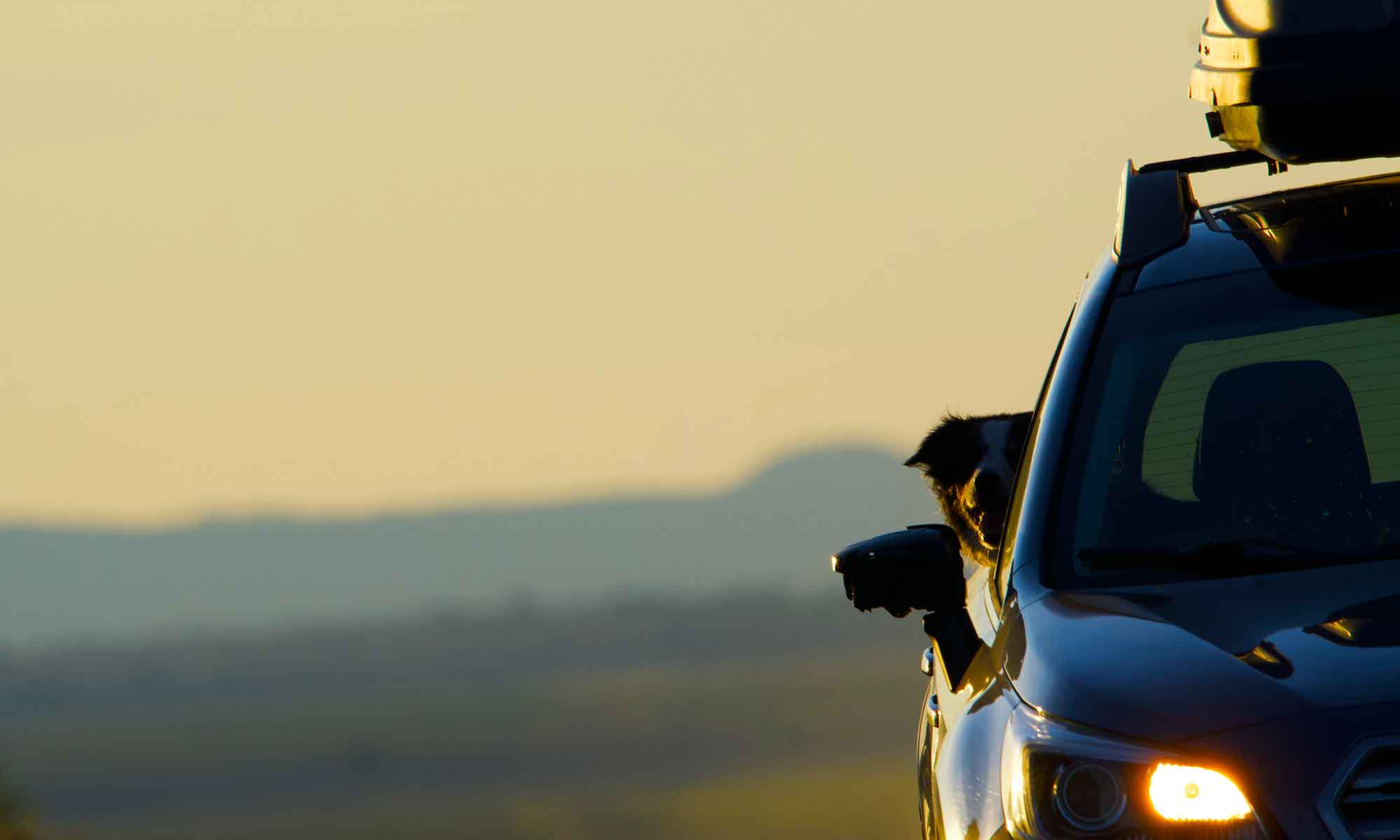
Tip didn’t seem to notice as he made numerous trips to the water from our shaded seating area.
Working with aquatic insect life
Of course I concentrated on the bugs skipping across the water’s surface … trying to blend in and lure a fish to strike. The day’s heat is always degrees cooler along a river. Not sure how much longer the wildfire’s haze will be directed away from us, so we take advantage of any clear day.
Our fishing adventures are not season dependent. We’re on the stream all times of the year. However, there are some aspects of fishing early summer that add to the enjoyment. Prolific bug hatches bring dry fly fishing and that is the best.
Waiting on the strike.
Now there are aquatic insects constantly crawling, or swimming, regardless of season, weather, or temperature.
As temperatures rise, insect activity increases. In summer the hatches are more frequent often bigger bugs and peak dry fly season is here.
Sometimes all it takes it one size smaller.
Basalt cliffs of the Crooked River
The zenith, in our area, is the Salmon Fly a large stone fly hatch on the Deschutes river. Closer to home is the “mother’s day caddis” a prolific hatch at the end of May (thus the name).
This event brings the Crooked River out of winter’s quiet crowd-less days and into a near fishing derby atmosphere. Venture up there on a weekend to find every pull-out and camp site is filled with rod vault festooned trucks. The river is littered with wader covered bodies thrashing flylines on the water.
We share the stream with osprey, though it seems they are the better fisher.
We manage to avoid most of this nonsense by hitting the stream mid-week, though there are still above average crowds. In a few weeks the Crooked’s banks will quiet down, but for most of June it’s game on.
Wading staff waits on the next move upstream.
There is clearly sport found in swinging nymphs and cold weather isn’t the limiting factor. Fish are always feeding and fisherman find success in sub-surface presentations. The biggest catches are typically taken on nymphs or streamers drifted through feeding lanes.
Tip has become a “river dog.” He is quite adept at reading the water and finding just the right spot to wade in for a drink.
That said, there is nothing that compares to fishing over a hatch. Floating an imitation along the top of the water, waiting on a flash of silver, the reaction to hook set, and the rod bending to the fight. It’s just more exciting to take fish on a dry fly. Thus we are here, sharing the river with too many hatch seekers and shrieking with joy even at the strikes we miss.
A lone tree marks the trailhead into the Spring Basin Wilderness. Numerous side canyons provide opportunities for solitude. On this particular day we had the place to ourselves.
This week’s adventure focused on the Spring Basin Wilderness Study Area and our continued search for desert blooms. Cacti generally, more specifically Hedgehog Cactus, hopefully in bloom. Oregon’s high desert doesn’t support cactus like the southwest desert, however, there are prickly pear and hedgehog cacti and Spring Basin is known to have both.
Primrose
Thistle
Lupine
Wild Heliotrope
The adventure starts with a drive north out of Madras and in a few miles we turn east toward Fossil. The route winds through high desert pine forests presenting an abundance of spring blossoms right along the highway. Spring Basin’s trailhead is reached by gravel road off Shaniko-Fossil Hwy just after you cross the John Day River.
Desert Daisy
Clown Beetle
A weathered sign board in a dusty parking area with a single flat metal post designates the trailhead. There is only a bit of shade offered by a single pine tree. A gentle incline, covered in sage and native grasses, sits below basalt cliffs marking the wilderness areas outer edges. The cacti we’re looking for may be scattered along this hillside and we assume, after the trail crests the cliff, though we’ve not hiked that far up.
JQ hoped to get a shot of a hedghog cactus in bloom, a rare find, but was just as pleased to discover a prickly pear cactus blossom.
Brittle Prickly Pear Cactus
After Spring Basin we continue the drive east to Fossil, then turn south eventually crossing back over the John Day River and connecting with Twickenham Road. At this junction we are on the eastern edge of Sutton Mountain Wilderness study area.
Sutton Mountain Back Country Byway
Sutton Mountain’s West border runs up against the Painted Hills Unit. That side of the wilderness study area looks somewhat innocuous, just a series of sage and grass covered hills that aren’t all that mountainous.
We’ve driven the gravel road from Painted Hills to the John Day River and Burnt River Ranch. The journey on this side of Sutton Mountain offers a totally different geology.
Emerald-green lichen covers the rock walls of Girds Creek Canyon
A gravel road cuts through a canyon lined with amazing cliffs of basalt. It then drops into the John Day river valley where the deep green of irrigated fields contrasts with hillsides colored in shades of brown.
High desert cliffs of Sutton Mountain
A narrow single track gravel road hugs the boundary’s now more mountain-like slopes twisting around ridges and into ravines. Eventually it flattens back out onto grazing land and connects with the Burnt Ranch Road.
Here we turn south, pass the Painted Hills unit onto Highway 26 and home.
Many years ago we took a weeklong camping trip to explore rockhounding sites in Oregon. This trip involved lots of dirt roads, a few flat tires and hours of digging holes in the ground.
It also turned us into full on rockhounds. Which means we’re not just picking up the occasional colored stone, we do that too … however, we also drive down remote dirt tracks specifically just to pick up rocks.
Fischer Canyon
Oregon has an abundance of unique rocky sites many of which are just hours from our front door. This week’s adventure was a scouting trip of sorts to checkout some sites with Limb Casts, Petrified Wood, and Agates. BLM’s “Central Oregon Rockhounding Map” and Rockhounding Oregon by Lars Johnson are our guides through this mostly gravel and dirt road journey.
First stop is Fischer Canyon, a few miles south of our frequented Crooked River. You’re supposed to be able to find calcite, agate, quartz, jasper and petrified wood, with calcite being the most common. We found the place and a few small pieces of calcite like rock. Did not do a lot of heavy digging as this was only the first stop.
Next we headed to Bear Creek and here you are able to find petrified wood. It’s interesting to note that the rockhounding book often warns of road conditions with passages like “Road is impassable when wet. Don’t even try.” Often these roads are little more than a couple of ruts in the desert sand. JQ did locate a nice piece of petrfied wood in our short wander around Bear Creek … right next to the spot where we parked the car.
Petrified wood, Hampton Butte
The final destination was Hampton Butte with limb casts of Jasper and Agate, as well as petrified wood. This is also a more productive site with lots of active “digs”. Here we broke out the shovel and managed to scrape up some small greenish rocks that we hope are Jasper. They will eventually make it into the tumbler and either polish or disolve. Hampton Butte’s road was much better than the guide book lead us to believe and there are plenty of shaded parking sites. Though on this day there were also a couple of RV rigs already set up.
There are more rock hunting adventures planned. We have only just begun to explore all the sites on BLM’s map. Plus, I acquired a gold pan for my birthday and there are some Umqua and Mckenzie River sites with promise of fine gold. As always we’ll keep you updated on our journeys.
A recent post described our trip to Abert Lake. This week we explore a bit farther East to another ancient lake bed and the fault-block mountain beside it.
Warner Valley is covered by a chain of lakes with marsh land between.Warner Valley, Oregon
At the end of the last ice age the Warner Valley was filled with water and it’s slopes lined with tropical forests. Today this is desert marsh land among a string of small lakes at the foot of Hart Mountain and it’s National Antelope Refuge.
Like Summer and Abert Lakes to the west and Malheur to the north this 60 mile stretch of shallow lakes and wetlands is a lure for migrating birds. On this mid-June day there is still some winter runoff filling lake beds that will mostly be dry in just a few months.
We love the wide open spaces of Oregon’s High Desert. You can see forever and weather continually changes the landscape.
We head south on Hwy 31 toward Lakeview and the Nevada Border. About 30 miles north of Lakeview we turn East and head for Plush, OR, which sits on the Southern end of Warner Valley. From here you can look across the valley to Hart Mountain and the 420 square mile antelope refuge that sits atop it
The remote Warner Valley is bound by high escarpment walls.
Spring brings a burst of wildflowers to the rocky landscape and new growth to the sage. From Plush you go along the northern edge of Hart Lake and then skirt the eastern side of marsh lands around Anderson and Swamp Lakes.
We climb 3,600 feet above the valley floor.
At the edge of Upper Campbell Lake we turn East and start up Hart Mountain to the refuge headquarters. It’s a pretty steep climb from the valley floor to the headquarters site.
At the first switch back there’s a short hike loop that runs along the canyon edge and offers spectacular views up and down the valley.
Amid the scatter of rock and sage is a variety of paintbrush and other small desert blooms.
Out here you don’t want to be without a hard copy of the route.
There is a standing rule in our adventure plans that we don’t return by the same route. So, from the headquarter station we turn north again and across the flat plateau atop Hart Mountain. Eventually this gravel track puts us on the western edge of the Steens Range at Frenchglen and the southern part of the Malheur Refuge. From here the loop is completed via Burns and Highway 20 west to Bend.


 But on a river’s edge there is still an abundance of lush green growth.


 A weathered sign board in a dusty parking area with a single flat metal post designates the trailhead. There is only a bit of shade offered by a single pine tree. A gentle incline, covered in sage and native grasses, sits below basalt cliffs marking the wilderness areas outer edges. The cacti we’re looking for may be scattered along this hillside and we assume, after the trail crests the cliff, though we’ve not hiked that far up.


 At the first switch back there’s a short hike loop that runs along the canyon edge and offers spectacular views up and down the valley.


