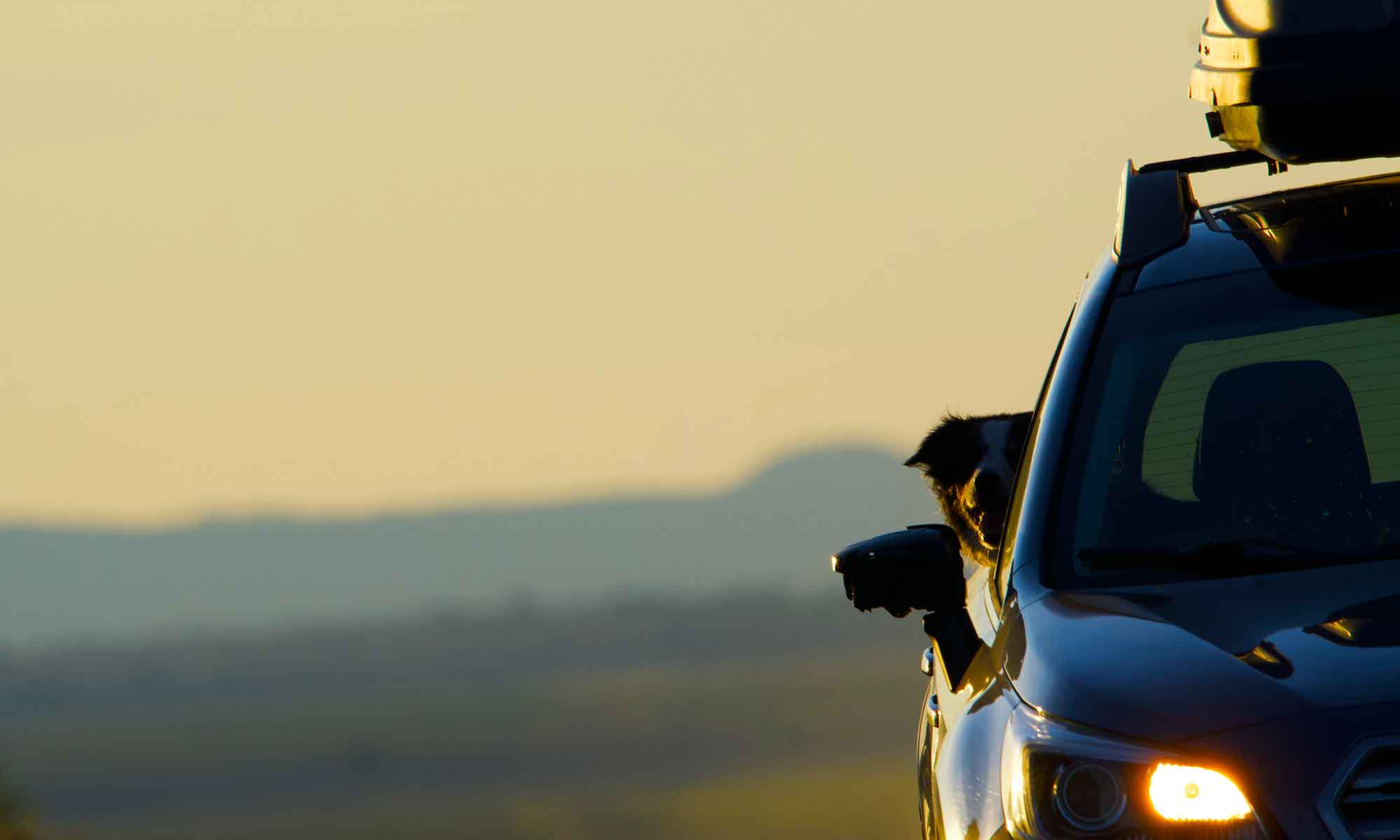


A series of mountain lakes, trail heads and the headwaters of the Deschutes River are paralleled by a road.
The Cascade Lakes Highway runs from Highway 158 (Willamette Pass road), north along the eastern slope of the Cascade Range, skirts the western edge of Mount Bachelor, before dropping into Bend, Oregon.

We drive this route nearly every season, but from late November to Mid-May snow closes the highway.
By the middle of summer, the traffic is thick, especially on the Bend and Bachelor end of the road. However, a mid-week trek is usually light on tourists, bikers and hikers.

Sparks Lake is an iconic photo location and for good reason.
There is a massive wetland framed by rocky crevices of Bachelor and dotted with seasonal wildflowers, as well as wildlife.

August flora is primarily tiny little blossoms tucked in the dense green marsh grasses.
As for wildlife this stop, we caught sight of a flock of Canada Geese resting where lake and marsh meet.
The best sighting was of tiny frogs, hundreds of hopping reptiles, no bigger than your thumbnail.
They made navigating the boggy marsh an adventure. Let me just say . . . these little guys weren’t the only thing hopping.

Of course the most common stop for us on this road is one of the many access points to the Upper Deschutes River. This day our favorite turnout was open.

This stretch of stream offers excellent places for Tip to fetch and swim.
This day we were met with exceptionally high water levels. Levels we’ve never seen in the month of August.


Mosquitoes were less of a problem than in June. We could actually spend time walking along the banks, where the river hadn’t encroached.
Tip got in some wading, though high water made it impossible to swim after sticks.
On the final leg south, our route winds through Ponderosa forests, between two large reservoirs and right up to our back door.


 Davis, Wickiup, and Crane Prairie are full from runoff, which is better than it’s been the last few years.


 Typically one of the stops is just below Lava Lake, at the head waters of the Deschutes River. However, the stop was brief as the mosquitoes were thick and hungry.

 April showers brought additional snow pack to the mountains and we found six foot banks on the highway between Bachelor and Elk Lake. Meaning, it will be a few weeks before you see wild flowers in those alpine meadows.


 The cascade range between Crater Lake and Mount Washington holds hundreds of natural lakes. Most of them small alpine bodies of water a few acres in size, many of which require walking on mountain trails to reach.
 Waldo Lake sits on the west side of Willamette Pass, about an hours drive from us. At 39,000 acres it’s one of the largest natural lakes in Oregon and second deepest, next to Crater lake. Bordered on three sides by wilderness the pristine waters of Waldo Lake are off limits to power boats. Once there you can choose from three different camp grounds, each with a boat launch, but none with day use picnic sites.


 Crescent Lake, a few minutes southeast of Odell, offered sandy beaches and excellent fetch and swim time for Tip.