Back on the Crooked

Settling in

We headed back up to the Crooked River this week. We lucked out and  found our favorite campground  .  .  .  completely empty. 

That’s unusual this time of year.  But as they say,   “don’t look a gift horse in the mouth.”  

A bee, between jobs

For now, mornings remain almost cold. All too soon summer’s sun will beat back the chill.

For the present, we set up chairs along the river and settled in to enjoy our good fortune.

It’s important to find the right spot

Fishing was good, I brought a few to the net. The willows nearly overpower the rivers edge, making it difficult for Tip to keep an eye on me or get a drink.

Checkered White Butterfly floats among flowering wildflowers

An abundance of butterflies danced across the  leaves in the still lush riparian.

An Osprey surveys it’s surroundings from a very high perch.

Around noon we moved downstream to a new piece of shade and a different stretch of river. At this spot we found the kestrel’s tree occupied by an Osprey.

A lack of defensive efforts (on the kestrels part) suggested the brood has moved on.  The osprey seems content in getting his perch back. 

Eurasian-collared Dove

It’s already the second week in July, and summer is slipping away. We’ve not had to endure wildfire smoke  .  .  .  yet.

So these peaceful excursions are treasured times.

A shaded vantage point to keep track of everyone

All too soon the dog days of August will require more careful planning on where we might find patches of shade. We do have a few places in mind.

Settling into Summer

Fresh green growth on the sage

This is likely the end of warm days and cool mornings.

Pretty soon we’ll have to seek shade before noon. For now, soaking in some solar energy is a pleasant respite. 

There were two trips to the Crooked this week.

This weather brings out Mayflies, as well as mosquitos. That was the excuse used, but there’s little reason needed to set out chairs and picnic along a stream.

Working a new riffle

The fishing was adequate, but the weather was superb.

The wildflowers have shifted from large yellow and white petals, to tiny blossoms in shades of purple and blue, with an occasional flashy daisy.

The Kestrals are still very protective, ganging up an any large raptors even just flying along the water. We saw them knock an osprey off a tree limb, easily sending it on his way.

The geese are raising goslings, and ducks are always trailing a brood amid the tall grasses at streams edge.

An abundant run off left lush growth and great habitat for birds and water fowl.

One of the trips to the river was an afternoon drive.

We were trying to hit an evening hatch and some dry fly fishing. There were lots of strikes, but not a lot of hookups. I got in my casting practice though. 

Aster

Campers are getting more common, which makes it hard to find secluded spots.

Headed back to camp after checking on the fisherman.

With campgrounds filling, we’ll move to different locations (primitive sites) and wait for fall to return to the river in less crowded conditions.

But then  .  .  .  that’s all part of settling into Summer.

Summer Ritual

Grasses against a backdrop of riparian green.

For many years (due to my teaching schedule), summer didn’t begin until the second week in June. While that constraint came off when we retired, this week’s heatwave really felt like the start of summer.

There were a string of eighty degree days this week, matched with a dozen small wildfires. It feels like summer (our new norm).

A kestrel preens during a brief stop on a busy feeding schedule

A few things shift for us when the weather warms up.

Primarily our schedule  .  .  .   early starts to the day and early ends. This practice has two advantages; first it gets the active part of our day away from the heat, but it also tends to keep us away from the hordes.

Keeping an eye on things

About the time people start showing up on the river, we’ve had a choice of parking spots, a couple of hours of fishing, and lots of peace and quiet.

That is how we managed this week’s trip to the Crooked River.

Lupine seems to like the gravel edges of forest roads

Most of the spring wildflowers have been reduced to leafy stems, replaced with hardier summer varieties.

Lupine for example, is in full bloom on nearly every gravelly borrow pit. It lines our route with a carpet of purple and blue hues.

Casting over an evening hatch

Fishing was better this week. The river has settled into its summer flow and fish are taking up their usual holds.

Witnessed the kestrel pair fight off a bald eagle with incredible acrobatics. The falcons harried the eagle, and at one point, one plunged from above onto the back of the eagle hitting with ferocious impact.

The kestrels were in full hunt mode, stopping only long enough to drop off some tasty bits for the fledglings, before swooping back up the canyon walls.

By the time the breeze was starting to loosen it’s cooling power, a small group of picnickers set up a few hundred feet from us. That was our cue to load up and head for home.

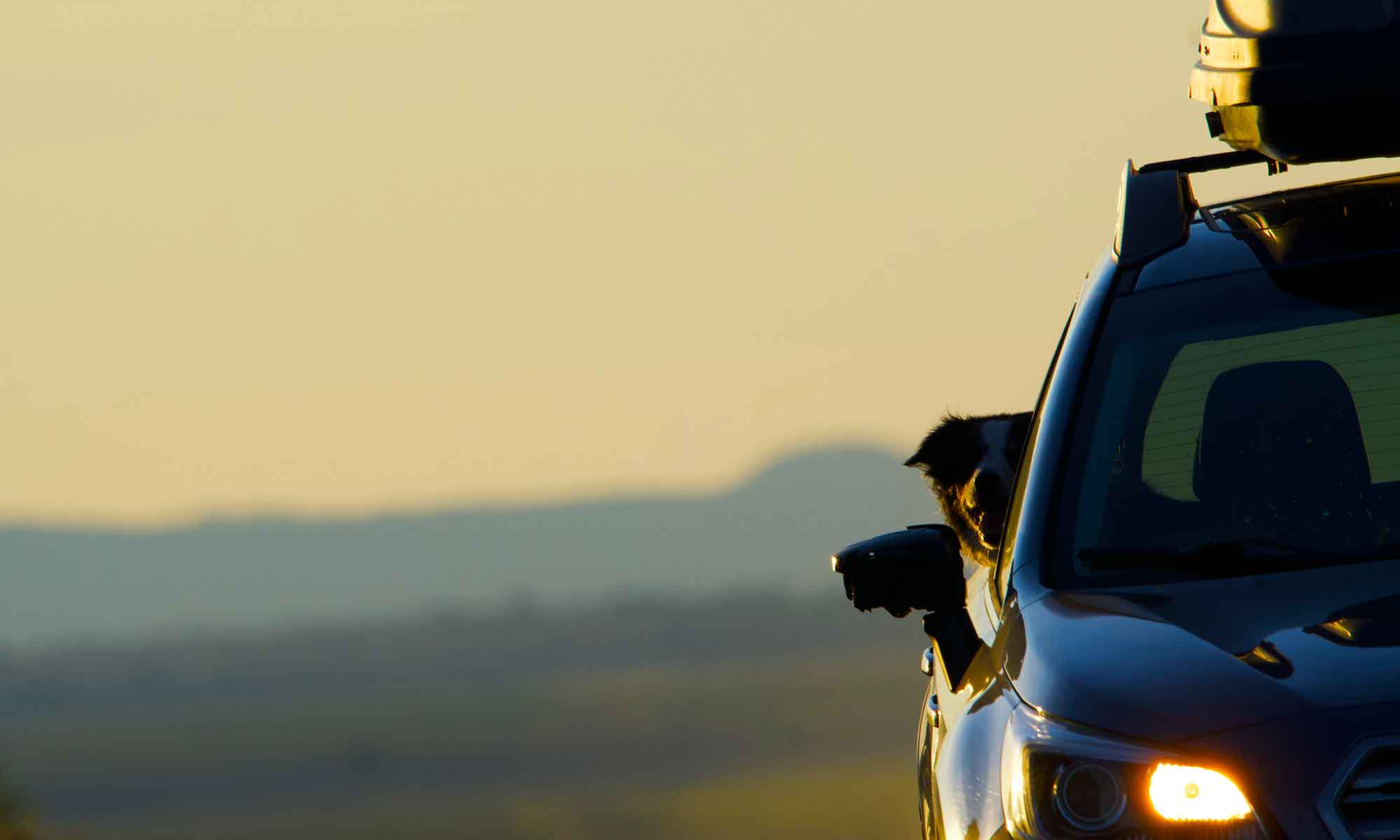
And, what are you looking at?

Daytime temp, even on the river, was just over eighty and climbing. We’ll be back again during the cool of another morning.

May Musings

Relaxing on a fine spring day

May, in Central Oregon, is an anomaly to seasonal shifts. April brings hope for spring. May comes, and winter still hangs around  .  .  .  think hail storm just two weeks ago.

Then you hit Memorial weekend, the official start to summer activities (camping, rafting). It’s not summer, yet it doesn’t feel like spring.

This week was a busy finish to the month. While we didn’t do any major excursions, we did manage a couple of trips up to the Crooked River.

There is the promise of a caddis or mayfly hatch  .  .  .  which didn’t materialize  .  .  .  on top of shirt-sleeve warm afternoons.

We’re still shaking off layers of winter, but are well into wildflowers, lower river levels, and increased wildlife activity.

Exploring a lush riparian

Some of the week was spent raking up those layers of winter in the form of yard debris (disposal offered for free).

We also pulled out old trees to replace with new bare root stock. Not real exciting stuff, but nice additions to the yard.

Hauling camera gear to next location.

With the promise of summer we’ve renewed plans for adventures now that our home improvement projects, AKA spring cleaning, has been completed.

Bugs

Just a beetle, not a Caddis fly  .  .  .  but still a great pic.

River levels have dropped in the last few days, so we headed up to the Crooked in hopes of catching a Caddis fly hatch.

It shouldn’t come as a surprise that these early spring hatches are referred to as the Mother’s Day Caddis.

He does this a lot  .  .  .  untying and retying different patterns. Sometimes it even works.

At its peak the water, rocks, bushes, and trees are engulfed in a cloud of small gray-winged bugs.

Little Black Caddis or (for the more entomological) Gannom, are often the name fly fishers associate with the insect.

American Kestrel

There are more than a few Caddis flies varieties that have a spotted gray wing. Many of which hatch in early summer.

Without a lot more kick-net work, it’s hard to put a name to any aquatic insect.

Lift off

In my case there was plenty of time to observe on water activity as there were no fish feeding over this hatch.

So, while nothing was hooked, a lot of ‘fishing’ was done. In the end, that is the general purpose of these trips anyway.

It’s already end of season for some plants. These Dandelions are setting seed in May.

Once home I pulled out my copy of Gary LaFontine’s book “Caddisflies” and it seems, to me, these are Psilotreta / Smoky Wing Sedge or Chimarra / Little Black Sedge.

Each cast is a new opportunity.

Knowing precisely which, while interesting, has little bearing on choice of pattern or presentation. for that you just need a color and size match.

Arrowleaf Balsamroot

Still it’s fun to catch and observe the local insect population.

Data collected will be incorporated in future fly tying and hopefully next time there will be fish feeding on the naturals.