Flora and Fauna

As a final post to our Look Back at 2025, it seems appropriate to end with a favorite subject  .  .  .  wildlife.

Every destination, regardless of the season, has interesting sights. Our attention usually focuses on the local inhabitants and their environment.

Young coyote hunting

Whether we came for that purpose or not.

Summer Lake from Winter Ridge

The drive to Summer Lake Wildlife Refuge is a destination specifically to bird watch.

A squadron of American White Pelicans

But other places we stop, say to collect a few rocks or catch a fish, present as much or more variety to observe and photograph.

Canada Geese goslings 
Merganser and ducklings

Hours have been spent sitting at river’s edge, camera trained on a clump of reeds offering protection to a family of Mergansers.

Young osprey and company
Redband trout

We watched a fledgling Osprey hold off a gang of Magpies and attempted to track the flights of butterflies.

With binocs and telephoto lens trained on a raptor we watched it devour a recent catch.

We noticed that the people parked two sites down hadn’t even looked up into the tree branches.

It’s important to take time and look around, to see what you’ve missed. An advantage to this slower pace is nature often comes to you.

Juvenile Great Horned Owl

A lunch on the rivers’ edge is filled with all manner of flora and fauna.   Thankfully we have the time to watch it unfold.

Camera gear makes sharing experiences, as well as getting a better look, possible.

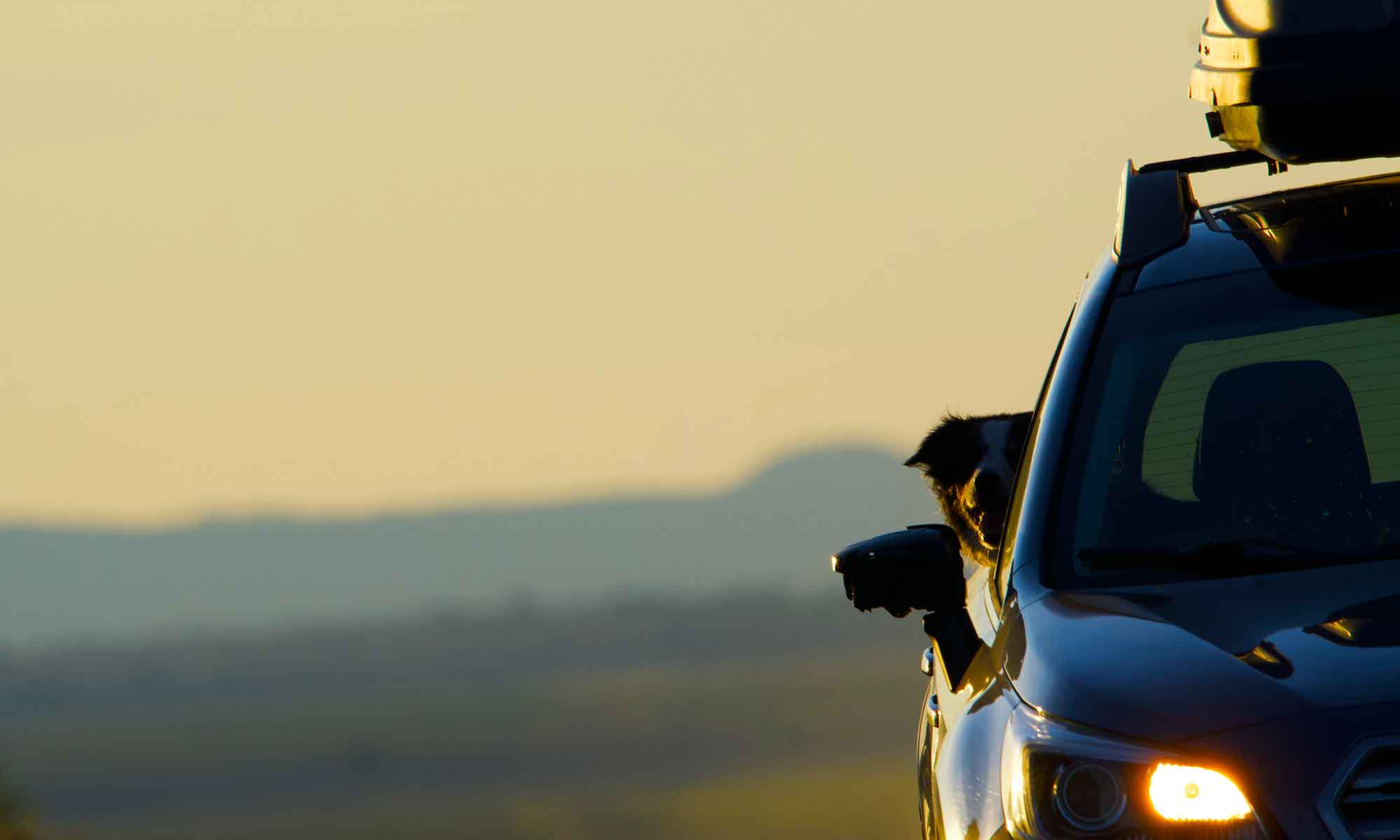
Border Collie (domesticated canine)

BlackDogHair blog serves as a journal on how we spent the week. A month of looking back at those posts reminded us how lucky we’ve been for the opportunity.


Roadworthy

We’ve had our share of ‘risks’ including tumbleweed blocked roads, broken bones, gashes needing stitches, flat tires and dead car batteries.

It’s winter and though we’ve yet to see snowfall, the signs are there. The season has changed. For that reason we’re doing what we always do this time of year.

No  .  .  .  not decorating a tree  .  .  .  we’re putting snow tires on the Subaru.

Taking advantage of a wide spot, while exploring the Great Basin of Central Oregon

For close to three decades an all-wheel drive wagon has served us well. We don’t pamper our cars, they get regular service, but also put on lots of miles.

We’ve driven around wildfires, washed out roads, roaming livestock, and downed trees.

We subscribe to the adage ‘the journey is as important as the destination’ and these treks don’t always take the well traveled route.

To ensure a trip is roadworthy, there are bins, bags and crates carefully packed with essentials.

The high desert is a maze of two track dirt paths and we’ve navigated our share.

We mostly rely on paper maps to show landmarks, as well as numbered roads. Two cloth sleeves tucked into seat pockets are filled with USFS, BLM and USGS topo maps covering every corner of the state.

Some items are semi-permanently stowed; cooking gear, shovel, axe and bucket, water, first aid and simple auto repair kits. The changing seasons require some stores get shifted.

For winter we’ve re-stocked the hot cocoa mix and pulled out the bug spray. Our goal  .  .  .  a standard kit for the road.

Always ready for new adventures

In addition, there are camera cases, a drone, and at least one tripod. Extra socks, hats, and coats are packed neatly in a duffel, which winter necessitates.

Drone pilot prepping for flight  .  .  .  Fort Rock, Lake County, Oregon

You can’t forget sustenance. We don’t picnic in the classic cold chicken and potato salad sense.

Meals are small, pulled from a variety of bento boxes over the course of a day. We choose from a couple of coolers the smaller is good when we’re not hauling cold drinks.

Part of Oregon’s outback, Summer Lake Wildlife Area

We’ve developed these systems so at a glance you can tell the car is packed for the trip. Something may get left out  .  .  .  but it’s rarely of consequence.


Weather or Not

Weather front moves in from the Columbia River, near Biggs, Oregon

The topic of weather is covered in this blog nearly as much as fishing.

Both are important, though when you’re mostly outside, conditions and changes in weather are important facts.

Cursing the rain is pointless, so mentioning what it’s like outside is observation rather than rant.

Low hanging clouds drift along the Deschutes River Canyon

One of the main reasons we moved to the east side of the Cascade range was to get away from gray wet winters.

Salt flats near Summer Lake, Oregon

From December to March, on average, Portland has a 25% chance of clear skies. In Bend it’s more like 40%. In that same period, Bend gets half as much rainfall.

Portland skies can stay gray for weeks on end. However, here the snow may pile up. but it’s usually only a day before the sun is back.

Frost glazes the ground cover along Hwy 97 near Shinako

Living under that blanket of grey wasn’t helping our mental health  .  .  .  more fishing has helped as well.

Salt Creek Falls, Oregon’s second highest single drop waterfall

Nearly forty years ago we migrated to Oregon, drawn by the Pacific Northwest climate.

For a while the lush green was enchanting, but the precipitation that growth required wore thin.

Sun breaks through forest at Sherwood CG on Hwy 35, north of Hood River

We’re in our high desert mode these days. Sage steppe and Ponderosa pine forests are our preferred environment.

These Central Oregon winters aren’t as harsh as what we grew up with in Montana and are tempered with continued assurance of clear skies to come.

Layers of weather over high desert

Another positive aspect of high desert weather is you can see it before it get’s here and long after it’s moved past.

Near the base of Winter Ridge, Lane County, Oregon

The weather app is nearly as important as our bundle of USFS maps. Weather can’t be avoided, but knowing what’s out there is the goal.

And often, it’s a weather front that has us setting up the tripod.

Return Again

Crooked River, fisher and the watcher

Any reader of this blog will have figured out we venture to the same places with regularity. This is by design.

Our explorations are, to some degree, dictated by the change in seasons. Like the adage ‘you never step in the same river twice’.

We go to canyons to explore rivers, the high desert to find wildlife and mountains to uncover minerals.

Lower Deschutes River

There’s interest in the place, but of equal importance is the journey there.

A spot in the winter offers something different than it will in the summer. This is less a measure of temperature and more a matter of a shift in flora and fauna.

There’s always a new trail to follow

There are times when roads are impassable or the sun’s heat becomes unbearable. We time an excursion, when possible, to variants of weather. One can fish the year around. The only obstacle  .  .  .   road conditions.

Rivers in warm months are a pleasant picnic. As the season turns cold, there are fewer fishers but just as many fish.

Summer Lake Wildlife Refuge at start of fall migration.

Migratory patterns help predict when Summer Lake will have its greatest number of species.

Winter Ridge in December

But there are always birds and Winter Ridge makes a very photogenic backdrop capped with snow. Each season offers it’s own photo op.

Rock hounding is great adventure to unique locations. We’ve uncovered interesting stones while being treated to beautiful views.

Summer’s heat is not the best time to be chiseling away at a rock face or scraping a hole in the desert floor. But from winter to late spring the road in is a mud trap. Again  .  .  .   it’s a matter of timing.

Sunrise behind Fort Rock

It’s nice to discover a new place, turn down a different road, or frame a special photo. However, often the change isn’t a location but time of year.

To those places we enjoy, we’ll always return again.

Glad It’s over … nearly

Blackbirds, Summer Lake Wildlife Refuge

This is the 60th time this year we’ve shared our week.

The blog serves as a reference point in our lives. What we did last week gets translated into words, images, and an occasional video.

Smoke from Oregon’s forest fires inundated the area making it impossible to do anything outside.

As the year comes to a close it would be easy to focus on the dumpster fire that was 2020 … maybe naively think 2021 is going to be any better.

But a blog allows us a look back at directions we took and points we hit.


Fort Rock

Last January started with a typical Central Oregon mid-winter thaw. This presented an opportunity to explore where just a few weeks before the roads were snowed in and would be again the following week.

By April we were in the clutches of “first wave” quarantine and social distancing. We discovered that fewer people working meant crowds in the forests and on river banks. Thus we had to look for alternatives.

Time was blocked out visiting via Zoom, experimenting with recipes and creating new rituals.  Cocktail hour became a new favorite. We spent time sipping and testing different whiskeys.

As Spring shifted into summer we discovered new spots to spend a day. Explorations of different roads around Summer Lake, Fort Rock and the high desert forested edges occupied our day trips.


We upgraded our camera kit this year, adding a lens sized for wildlife photography.

The summer and fall got filled with days stalking feathered critters in addition to the usual finned variety.


Kokanee

A blog by design is retrospective, focused on what happened.

We actually got in quite a few great adventures while perfecting our social distancing skills. That said it will be nice to see the end of this year.