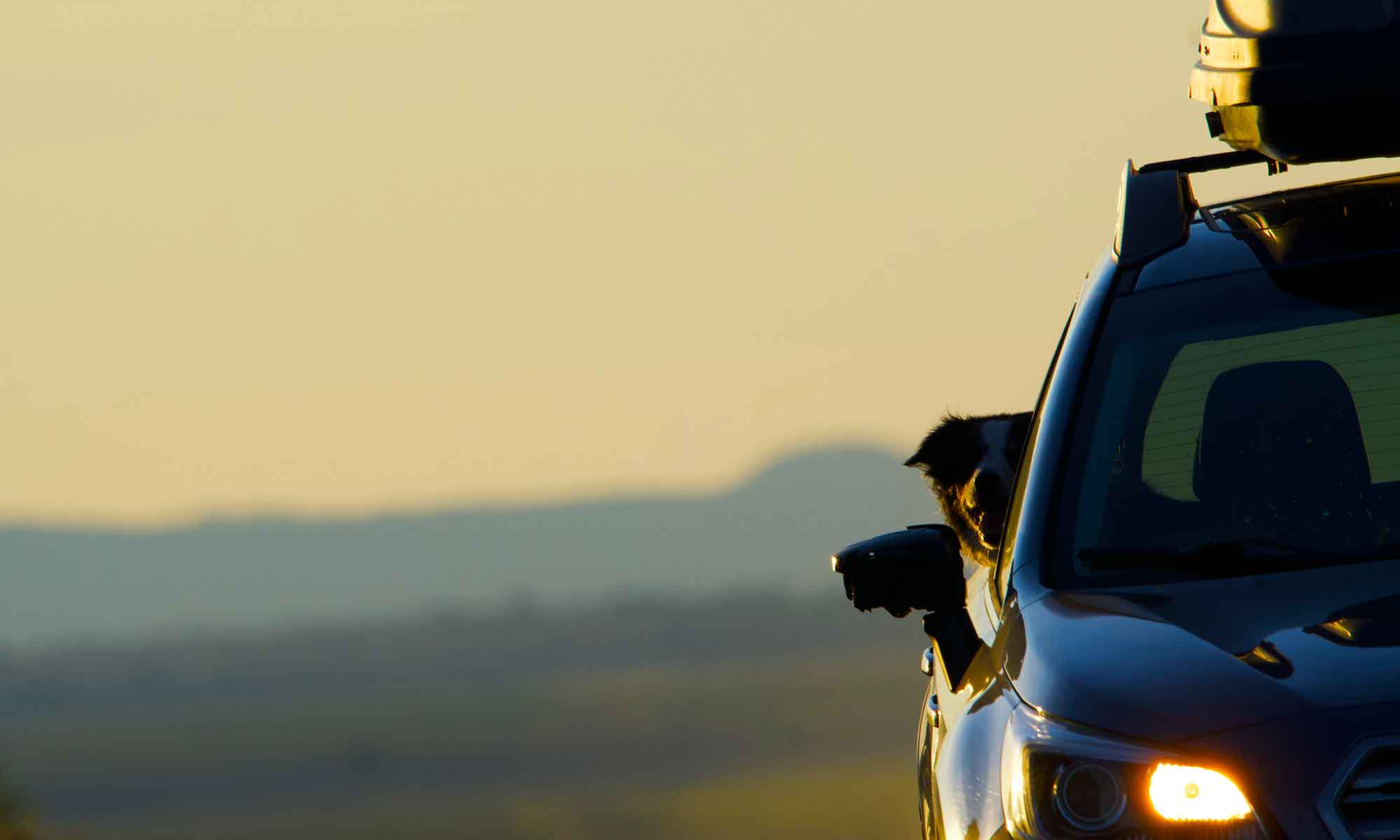


Oregon Route 31 runs from La Pine to Valley Falls passing south of Fort Rock State Park and Summer Lake Wildlife refuge. The Fremont road is a route we take often. About half an hour into the trip you drop out of the Lodge Pole and Ponderosa forest onto a sage and rocky plain.

Fort Rock sits at the edge of this transition with Summer Lake another 30 minutes onto the high desert.
From tilled fields the road follows basalt columns to a notch just a thousand feet off the valley floor. At the top is Picture Rock Pass, as you drop toward Summer Lake there is a a grand view of the marsh and alkaline flats.
 Sitting on this relative high point is a flat rock face with petroglyphs that were etched 7500 to 10,000 years ago. The rock is just a few hundred feet off the side of a road, south of a narrow gravel turn out. Given humans propensity to paint or tip ancient rock it’s just as well the site is unmarked.

It was the marshes and meadows with their abundant wildlife that drew prehistoric humans to the area. Twelve thousand years ago, the Clovis Period, Picture Rock Pass was etched by the area’s early inhabitants.

Archeologists have uncovered signs of prehistoric life that includes 10,000 year old foot woven sagebrush sandals at Fort Rock and 14,000 year old artifacts at Paisley Caves area.
There’s a lot of history in this hundred mile stretch of asphalt.

 Oregon Trunk Railroad bridge is a steel arch built in 1910. Workers climbed rope ladders and waded through the river to get to the other side. Later, 300 feet above the gorge, they would “walk the plank,” crossing over on narrow boards that bounced with each step.
 The Crooked River High Bridge allows pedestrians to walk the 464 feet over the Crooked River gorge to some dizzying views of sheer basalt walls leading down the 300 foot canyon face.
 Speaking of jumping … one alarming note…there were many signs posted on the path to the gorge’s edge. They all offered a very explicit warning about the fate of many dogs (gulp).