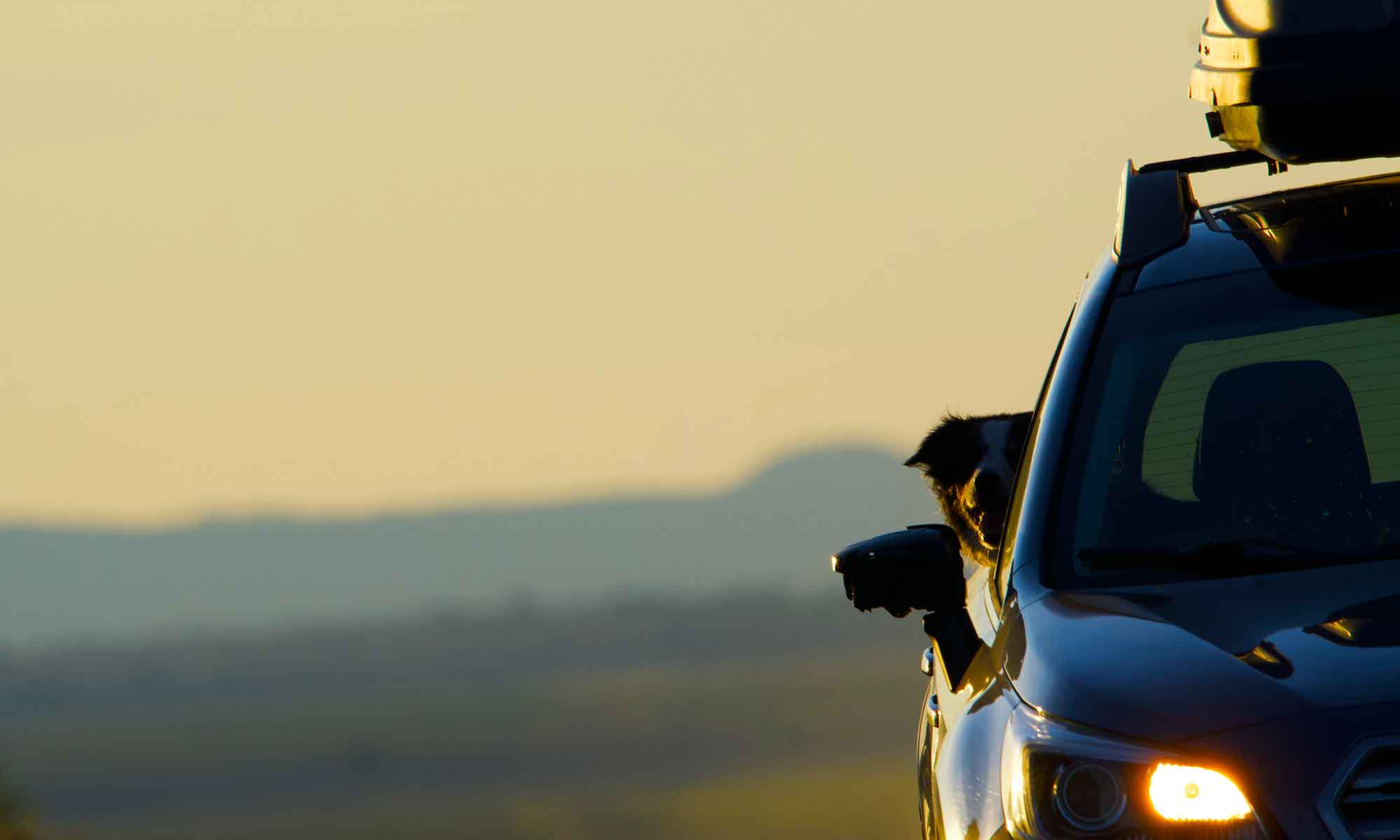
Our screens are filled with Fall and Halloween, content but summer’s not giving in that easy. The PNW swelters under a heat dome and it does not feel even a little bit like Fall.
Wading rivers is a great way to beat the heat. Usually we can time our trips to take advantage of the cooler morning hours. Neither of these strategies worked this week. The day’s heat never gave way to a typical morning chill. We needed to find a different escape.
The Upper Deschutes is a perfect spot. Tip can enjoy a game of fetch and a swim. A dense lodgepole forest gives plenty of shade along the stream bank so it is a good choice for these last days of summer. The weatherman predicts a shift to more ‘Fall’ like weather in the days to come. For now we make do.
Surrounded by cliffs almost 2000 feet high, Crater Lake is one of the 7 wonders of Oregon and is the cleanest and clearest large body of water in the world.
Did you know there are 63 National Parks in the US? All but 14 of them are west of the Mississippi River. We’ve only visited a handful, but one is just an hour’s drive south.
Alaska and California each have eight national parks, Utah has five, and Oregon has one … Crater Lake. It’s only 180,000 acres, and while it is a spectacular sight, the lake is the park’s biggest draw.
This volcanic crater lake is famous for its deep blue color and water clarity
In Montana, I grew up minutes from Glacier National Park. That park is just over a million acres in size. Nearly every Sunday in the summer, we fished a river that defines Glacier’s western border, but only on rare occasions did we actually drive into the park. National Parks attract lots of people, so you really need to be strategic about when and how you go.
For us, Crater Lake is a perfect day trip. A road follows along the crater’s rim, with numerous pullouts, photo ops and picnic areas.
No rivers flow into or out of the lake …water is replaced mainly through rain and snowfall.
The park is snowbound and closed to vehicles through May. We usually wait for the north entrance to open and this year it happened to be late June.
An early start puts us in the park by 8:00 a.m., usually ahead of the crowds. The East Rim Road is our preferred route, though a section was still closed for repairs. A windless day put a mirror like surface on the lake, perfect photo weather.
The Deschutes River headwaters couldn’t be more different from its iconic lower runs. From Lava Lake to Crane Prairie Reservoir, the Upper Deschutes is more of a creek than river.
It meanders through grass meadows and Lodge Pole pine forests. This week that stretch of river opened. Literally, the USFS unlocked roads and the stream was opened to fishing.
Signs of life after the winter snows retreat
This seven mile stretch of stream is a favorite summer destination. There are great spots to picnic, excellent stick fetching and good fishing. Even in the hottest days of summer, there are shady spots along the river to open a camp chair and enjoy the day.
Few things are more relaxing or peaceful than a spot in the shade by a quietly tumbling stream.
We’ll be back up here often until the snow closes things down for another season.
A pelican flies over a side channel of Crane Prairie Lake.
May is nearly over … that went quickly.
A couple of things happen this time of year; the Cascade Lakes Highway and fishing season on the Upper Deschutes open. This marks the beginning of summer in Central Oregon.
April showers brought additional snow pack to the mountains and we found six foot banks on the highway between Bachelor and Elk Lake. Meaning, it will be a few weeks before you see wild flowers in those alpine meadows.
Skunk cabbage makes an early appearance.
However, once we’d dropped to Little Lava Lake and the head waters of the Deschutes, snow lay only in a few patches and new growth was poking through winter matted ground. Â Some wildflowers were showing as well.
In prep for future trips, Tip checks out the river and I did some entomology research. We are ready for the start of summer fishing on the upper D.
This week we caught the front end of the Mother’s Day Caddis hatch on the Crooked River.
Only a flyfisher would be excited to stand in a swarm of bugs armed only with the understanding that they don’t bite … but the fish will.
Weedy Water Sedge is a common name for the caddis fly –Trichoptera. Brachycentride. Amicoentrus – often found on still and tail waters.
The emergence of this aquatic insect in spring, along with a dozen other genus of the same order, is predicted on a chart.
.
River hatch charts are notoriously inaccurate. Though only some of that is on fisherman. If they were good at keeping secrets no one would know that around Mother’s Day there is an excellent hatch on the Crooked River.
A Caddisfly hatch, or rather series of hatches, is a daily event which can re-occur over a series of weeks. Â So … Mother’s Day is close enough. We’ve managed to participate for a few years now, thanks again, in part, to charts.
Bugs emerge …
… bugs are eaten
… fish are caught
Speaking of hatch charts they will also show that over the next few months there is a marked spike in activity. This time of year if we aren’t tracking bird migrations, we are trying to anticipate emergence of a specific genius of Plecoptera, common name; Salmon Fly.
Plenty to see, if one sits quietly …
Finding  a hatch and catching fish are not always synchronous. For example, I fished over this hatch with very little luck catching fish.
However, JQ managed to get some good images. This weekend I’ll hit the tying bench in anticipation of next week’s adventure.