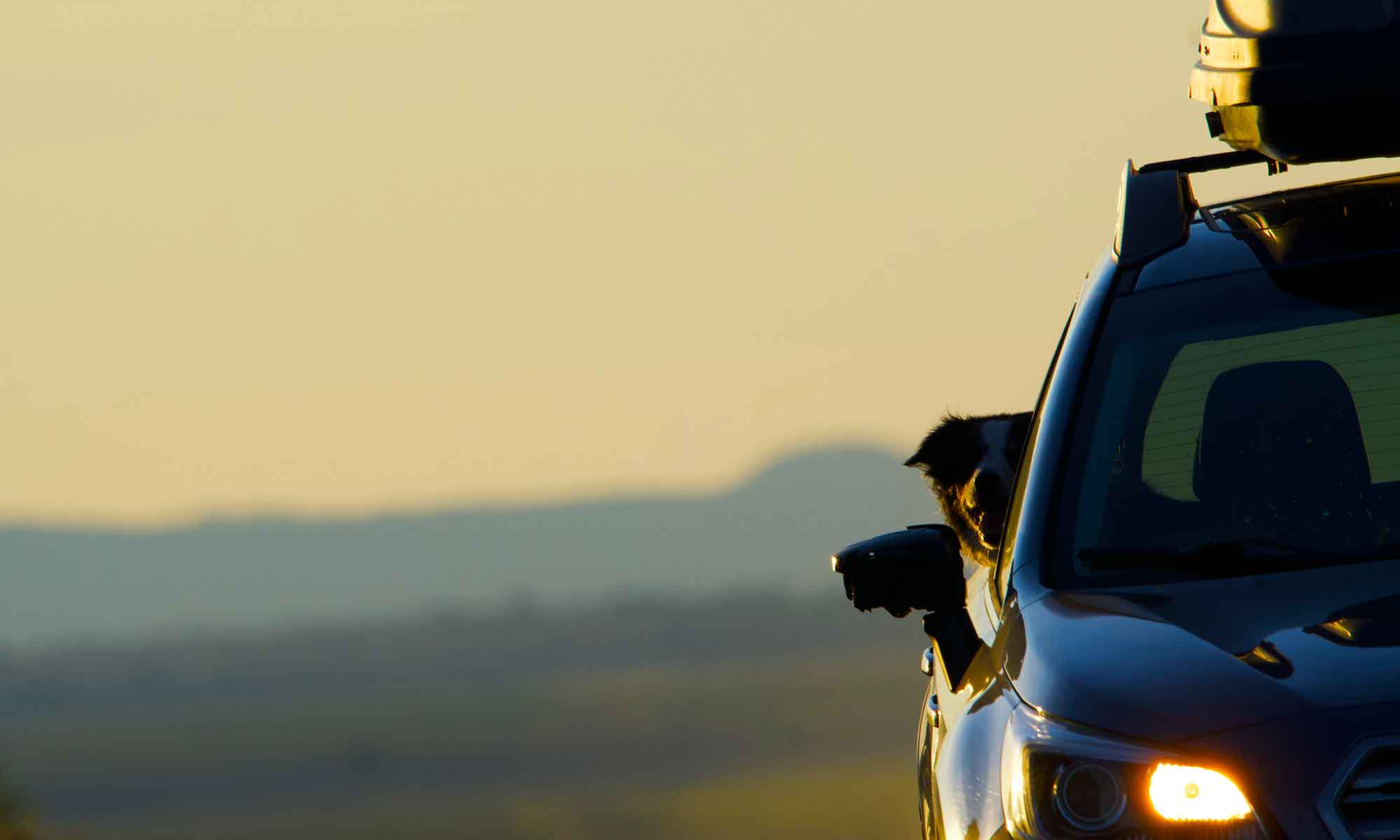
Summer’s Refuge

High Desert morning looking south from Sunriver

The heat of summer has settled in so our daytrips have shifted to early morning departures.

The high desert cools overnight and offers a chilly morning  .  .  .  light sweater cool. This is true even when we hit ninety plus afternoons.

The sun was just cresting over Fort Rock as we passed on our way to Summer Lake Wildlife Refuge.

The Pacific Flyway has already started to show signs of winter migration. The distinctive honks of Canada Geese have been overhead often during the last few weeks.

Summer Lake is a 45 minute drive, so with an early start we got a good bit of birding in and were home before the oppressive heat of the afternoon settled in.

This trip we encountered an unusually large number of Ibis  .  .  .  flocks of them.
An Ibis feeds at the pond’s edge

Mostly they bolted from the canal ahead of our car, but occasionally we caught one wading a pond or picking its way among the reeds.

Looking southwest from the refuge towards Summer Lake

Winter’s heavy snows seem to have benefited the refuge. Even this late in the summer the marsh grasses, cattails and reeds are still brilliant green.

This lush growth on ponds edge is contrasted by sunburnt field grasses that extend up the edges of Winter Ridge.

Black Birds stake claims with song and a physical presence.

Black Birds, Red Winged and Yellow Headed, are in typical large numbers and quite vocal. The other species we found in large groups were Killdeer.

Which as you might remember are similar to Snowy Plovers  .  .  .  of which we saw one.

There weren’t any other people there, birding or camping. We had the large expanse of Summer Lake to ourselves.

We enjoyed the solitude and being able to park wherever we liked.

Tip keeps watch as Jack gathers sound files for the video

Just before noon we spotted a couple of cars coming in as we made our way out. A good time was had by all.


Summer Storms

Early morning fog rolls off the Little Deschutes and filters our sunrise

We’ve moved into August and onto summer’s end.

These late summer days can turn from sweater-cool mornings to blazing hot afternoons. Thus, departure time and destination are carefully planned out.

Fishing has been good on the Crooked this summer.

Early morning trips to the river have been particular enjoyable this week. First, there aren’t a lot of people around before eleven, and second, the fishing has been good.

But equally as important as the quiet are the cool mornings. We’re still starting the day in hoodies and sipping coffee on the streambank.

Black Billed Magpie inspects my hat.

We pack up around noon and are home for an early supper in the comfort of our climate controlled home  .  .  .  or under the shade of our patio awning  .  .  .  tall glasses of ice tea in hand

A new wrinkle has entered our summer afternoons  .  .  .  thunderstorms. About 3:00 pm the thunderheads, with their charcoal gray centers, push in from the southeast.

Prelude to a storm.

It starts with the distant claps of thunder and if you stand on the porch there are usually streaks of lightning marking the storm’s advance.

In fire season, we’re not keen on lightning rolling across tinder-dry Juniper and pine forests.

Raindrops collect on a poppy’s petals

So far the storms have brought rain  .  .  .  torrents of rain.

The last one even brought small hail stones. By 5:00 pm the clouds have pushed past and no longer feature that menacing dark tone at their core.

After the storm pushes by our Aspen tree dries in the sun

These blasts of weather, especially the accompanying rain, are a welcome relief. The air is filled with the clean smell of wet pine while dust and pollen has been washed away.

Just before sunset, we arrange the deck chairs and sip cocktails on the porch. It is a perfect way to bring a summer day to a close.

High Desert Mornings

Early morning light  glitters across this expanse of river

The pace of our lives is not brisk and our days of multitasking projects is long past.

That’s not to say we’re idle. Quite the opposite, as summer gets up to full blast our weekly schedule fills up.

A young mule deer peers curiously at us

Along with more excursions, come early starts. It’s all part of getting into summer.

The High Desert in this season can be oppressively hot from noon to sun down. To counter this, we are out the door at first light  .  .  .  conversely, back in the house by mid-afternoon.

A young Western Kingbird sports a mix of juvenile plumage and adult feathers

This week’s trip to the river was highlighted not by fishing, though that was good, but by a proliferation of fledgling sightings.

A Magpie flock harassed this juvenile Osprey trying to enjoy his catch.

A young Osprey was getting a lesson in Magpie gang warfare.

There were moments when we thought the Magpies would succeed in getting the young Osprey’s meal.

In the end, he finished the fish and brought back another.

A Western Tanager dives down to catch insects mid-air

A group of Western Tanagers were also spotted. Likely a stop on their migration to either the Cascades or Ochoco range.

The sighting is a rare treat, not only because of their brilliant colors, but also they only spend a few days in the canyon on their summer jaunt to the mountains.

Black-billed Magpie

We also got treated to a family of Redwing Blackbirds.

It appeared to be flight practice. We observed the family hopping along the tops of willow bushes at the river’s edge.

Letting the world go by

Often these trips are filled with long stretches of sitting quietly, watching the natural world move around us. Morning hours seem to be a good time to get the most of that activity.

Back on the Crooked

Settling in

We headed back up to the Crooked River this week. We lucked out and  found our favorite campground  .  .  .  completely empty. 

That’s unusual this time of year.  But as they say,   “don’t look a gift horse in the mouth.”  

A bee, between jobs

For now, mornings remain almost cold. All too soon summer’s sun will beat back the chill.

For the present, we set up chairs along the river and settled in to enjoy our good fortune.

It’s important to find the right spot

Fishing was good, I brought a few to the net. The willows nearly overpower the rivers edge, making it difficult for Tip to keep an eye on me or get a drink.

Checkered White Butterfly floats among flowering wildflowers

An abundance of butterflies danced across the  leaves in the still lush riparian.

An Osprey surveys it’s surroundings from a very high perch.

Around noon we moved downstream to a new piece of shade and a different stretch of river. At this spot we found the kestrel’s tree occupied by an Osprey.

A lack of defensive efforts (on the kestrels part) suggested the brood has moved on.  The osprey seems content in getting his perch back. 

Eurasian-collared Dove

It’s already the second week in July, and summer is slipping away. We’ve not had to endure wildfire smoke  .  .  .  yet.

So these peaceful excursions are treasured times.

A shaded vantage point to keep track of everyone

All too soon the dog days of August will require more careful planning on where we might find patches of shade. We do have a few places in mind.

Pockets full of Rocks

Rockhounding usually involves scrambling up hills

While many of our posts are about fishing, that’s not the only thing we enjoy.   We usually have a small menu of activities to choose from, while out on an adventure. 

Wandering the high desert of Central Oregon, it’s impossible NOT to marvel at its geological features. The streams we sit along, spent the last millennia cutting out those basalt-rimmed canyons.

High cliffs of Sutton Mountain, near Painted Hills, Oregon

The Cascade Range to the west and the sage steppe to the east of us is a landscape of volcanic oddities.

The “Wave” at Fort Rock

Central Oregon’s northern expanse of the Great Basin took shape about three million years ago (Pliocene epoch).

Volcanic eruptions and the formation of shallow lakes deposited the material that is fodder for rock hounders today. 

We’ve been picking over rock formations, digging pits and screening gravel beds for years.

It’s rare that we’ll come back from an outing without some samples in the back of the car.

Simple but essential gear

This week the focus of our trip was on rockhounding.

These June days are still cool enough to make scraping back layers of dirt and shifting through buckets of gravel bearable. 

The journey was pulled from one many geology related books occupying space on our shelves.

Rockhounding Oregon and Roadside Geology of Oregon are constant references when planning these early summer excursions.

In this case, a land owner allows access to BLM land across their property

This time around  .  .  .  our destination is Congleton Hollow and it’s 640 acres of BLM land which is open to rock collecting. 

Limb Casts are the target.  When a lava flow engulfs a forest the encased tree limbs turn to ash leaving a cavity which is eventually filled with minerals that over millions of years become agates.

Green and pink stones with distinct wood grain and sometimes bark patterns are the prize. But that reward is hard dug and often results only in fragments.

High Desert roads are edged in carpets of Lupine

The South Fork of the Crooked River runs along the lower reaches of Congleton Hollow. The upper slopes, where most of the rock searching takes place, are bare except for a scattered few juniper trees.

There are shade and grassy meadows at the base of the hill, on the banks of a lazy flowing stream.  

JQ has just the spot for this ‘boulder’ and she ferried it across a wide expanse to load it in the back of the car

We didn’t find a lot of Limb Casts, though JQ did lug back a large, stratified rock.

There’s no need for buckets of agates, and the point is to explore spaces. However, we always manage to leave with some rocks in our pockets.