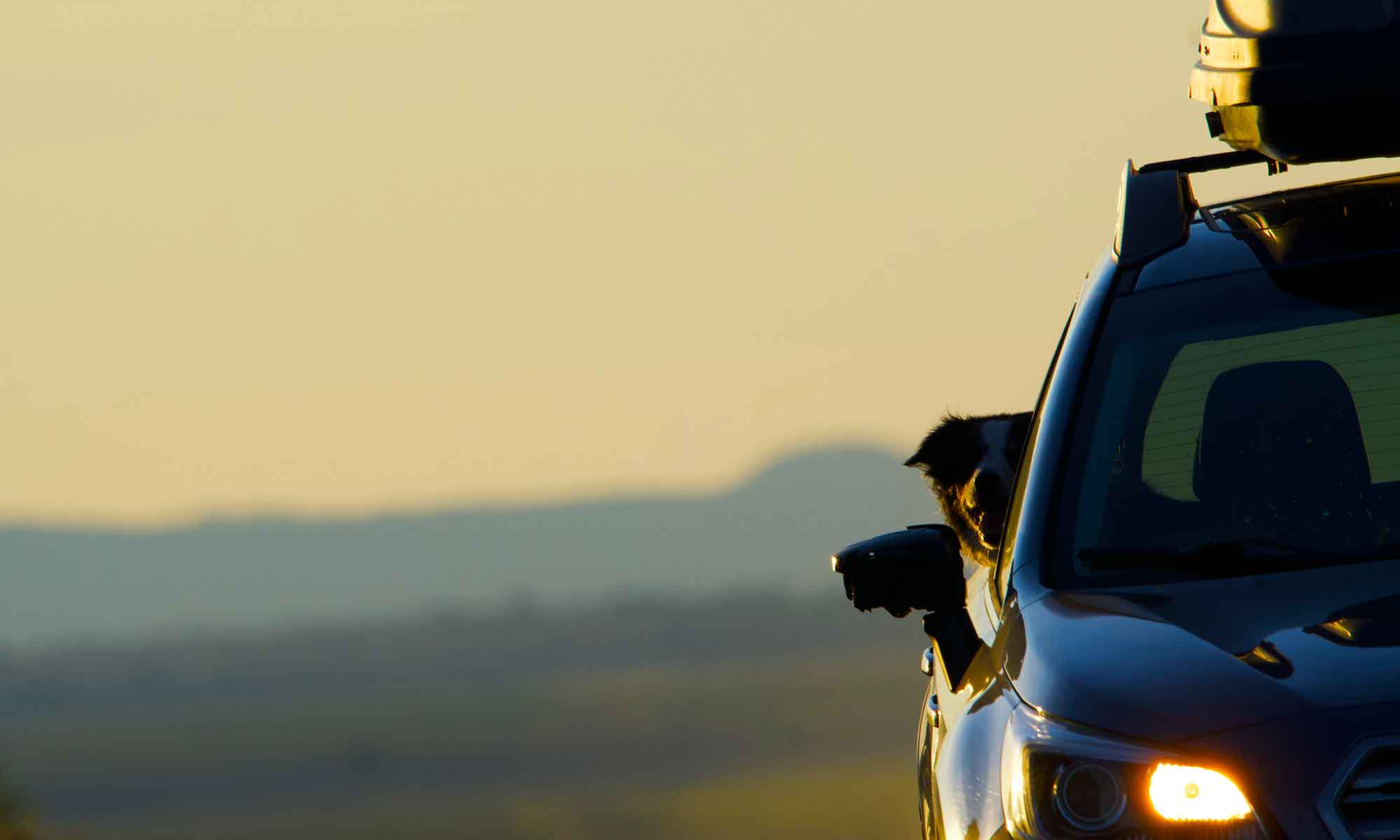
June’s first river trip

A study on lichen and Border Collies

Summer is in full blaze. The week is getting progressively warmer and we’ve already had a couple of small wildfires.

There are more places to go than days in the week. Plus, we kind of like to have a rest day between excursions.

That means we can do home-based errands when not on the road and in theory, stuff gets done.

Deschutes Canyon upstream from Blue Hole

One of the drives this week was up to Maupin to check out the Lower Deschutes before the rafters take over.

We kind of missed the Salmon Fly hatch this year  .  .  .  not sure what else we were up to.

Headed to the river

The tail end of the hatch was last week, so we thought I might get some ‘big bug’ action.

There were no large stone flies on the river’s banks, so we resorted to other patterns. Caught a few little guys and had a great hike along the river.

Waiting on lunch

The day was clear with a cooling breeze. We sat out the chairs along the road’s edge and enjoyed the morning.

By noon I’d gotten in plenty of casts and the place was filling up.

Family outing

This was likely our last trip to the Lower Deschutes until fall  .  .  .  when the crowds thin and the rafts are put up for the season.

There are plenty of other spots to wet a line and with far fewer bodies.

Summer Time

Small pools of water, overflow from creeks, fill the meadows along the roadway.

We spent a good deal of the week getting the yard back in shape. Planted some stuff, or should I say replanted, trees, shrubs, and flowers to fill in empty spaces.

We also hung a sunscreen on the pergola just in time for 80 degree days.

One of the 14 lakes accessible by the Cascade Lakes Scenic Byway

It wasn’t all soil and shovels, we did manage to make a trip to the Upper Deschutes River.

During Memorial Day weekend, campgrounds along the Crooked River get full. Folks tend to stick around into the week, so to avoid crowds we head for a different stretch of water.

Winter’s runoff has filled the lakes and reservoirs, but there is no snow left on the ground.

Headwaters to the Deschutes River, from Little Lava Lake to Crane Prairie, is a favorite little stream.

Upper Deschutes River winds leisurely through grassy edges

There are a few miles where the Upper Deschutes meanders through pine forests, meadows and marsh lands dumping into Crane Prairie.

Cascade Lakes Highway parallels the stream offering numerous pull-outs and great picnic sites. Bonus, it’s only half an hour’s drive.

The downside this time of year is mosquito clouds.

These pests get thick in early summer and this year it’s been particularly bad. Likely due to additional water standing in all the low land between the chain of lakes.

Western Skunk Cabbage is found along streams and wet woods

What little skin is exposed gets doused in a generous layer of bug spray. This practice makes it tolerable to hike along the river bank. It will be a week or two before the bug population makes picnicking even a possibility.

The weatherman forecasts more summer-like weather for the high desert in the coming weeks. Yeah, summer is in full swing and we’ve got a long list of places to check out.

Cast offs from a Lodge Pole Pine

I think rockhounding is on the top of the list, before we lose the chill of a June morning.

The Salmon Flies are on the Lower Deschutes. The Crooked and John Day rivers are very fishable as well. No shortage of places to go or things to do.

May Musings

Relaxing on a fine spring day

May, in Central Oregon, is an anomaly to seasonal shifts. April brings hope for spring. May comes, and winter still hangs around  .  .  .  think hail storm just two weeks ago.

Then you hit Memorial weekend, the official start to summer activities (camping, rafting). It’s not summer, yet it doesn’t feel like spring.

This week was a busy finish to the month. While we didn’t do any major excursions, we did manage a couple of trips up to the Crooked River.

There is the promise of a caddis or mayfly hatch  .  .  .  which didn’t materialize  .  .  .  on top of shirt-sleeve warm afternoons.

We’re still shaking off layers of winter, but are well into wildflowers, lower river levels, and increased wildlife activity.

Exploring a lush riparian

Some of the week was spent raking up those layers of winter in the form of yard debris (disposal offered for free).

We also pulled out old trees to replace with new bare root stock. Not real exciting stuff, but nice additions to the yard.

Hauling camera gear to next location.

With the promise of summer we’ve renewed plans for adventures now that our home improvement projects, AKA spring cleaning, has been completed.

Bugs

Just a beetle, not a Caddis fly  .  .  .  but still a great pic.

River levels have dropped in the last few days, so we headed up to the Crooked in hopes of catching a Caddis fly hatch.

It shouldn’t come as a surprise that these early spring hatches are referred to as the Mother’s Day Caddis.

He does this a lot  .  .  .  untying and retying different patterns. Sometimes it even works.

At its peak the water, rocks, bushes, and trees are engulfed in a cloud of small gray-winged bugs.

Little Black Caddis or (for the more entomological) Gannom, are often the name fly fishers associate with the insect.

American Kestrel

There are more than a few Caddis flies varieties that have a spotted gray wing. Many of which hatch in early summer.

Without a lot more kick-net work, it’s hard to put a name to any aquatic insect.

Lift off

In my case there was plenty of time to observe on water activity as there were no fish feeding over this hatch.

So, while nothing was hooked, a lot of ‘fishing’ was done. In the end, that is the general purpose of these trips anyway.

It’s already end of season for some plants. These Dandelions are setting seed in May.

Once home I pulled out my copy of Gary LaFontine’s book “Caddisflies” and it seems, to me, these are Psilotreta / Smoky Wing Sedge or Chimarra / Little Black Sedge.

Each cast is a new opportunity.

Knowing precisely which, while interesting, has little bearing on choice of pattern or presentation. for that you just need a color and size match.

Arrowleaf Balsamroot

Still it’s fun to catch and observe the local insect population.

Data collected will be incorporated in future fly tying and hopefully next time there will be fish feeding on the naturals.

River Watch

Dwarfed by Oregon geology

As regular readers of this blog will note, there are places we frequent regularly, some as often as weekly.

The observation of seasonal change enhances understanding of an area. You never step in the same stream twice refers to this constant level of change in nature.

Arrowleaf Balsamroot lights up the hillside

Weekly excursions often involve a quick check on a favorite spot. While  a seasonal change can be anticipated, the timing of these events isn’t a precise science.

Add to this is the narrow window high desert seasons afford flora and fauna. For example, the wild Iris bloom in the Crooked River riparian for a matter of days each spring.

Our interest is in stream flow as a measure for fishing. While an internet chart can state it’s 850 cfs, that data point is very different when standing on river’s edge and seeing just how much bank is exposed.

The hills south of Dufur are a rich green for a few weeks each spring

The crux if these side trips amounts to recon missions. While we’re already headed to Maupin for a river check, it’s easy to swing up to Dufur.

There we will catch bright green fields of spring wheat sprouts juxtaposed against a snow capped Mt Hood. This is a photo op that will not be possible in a few weeks.