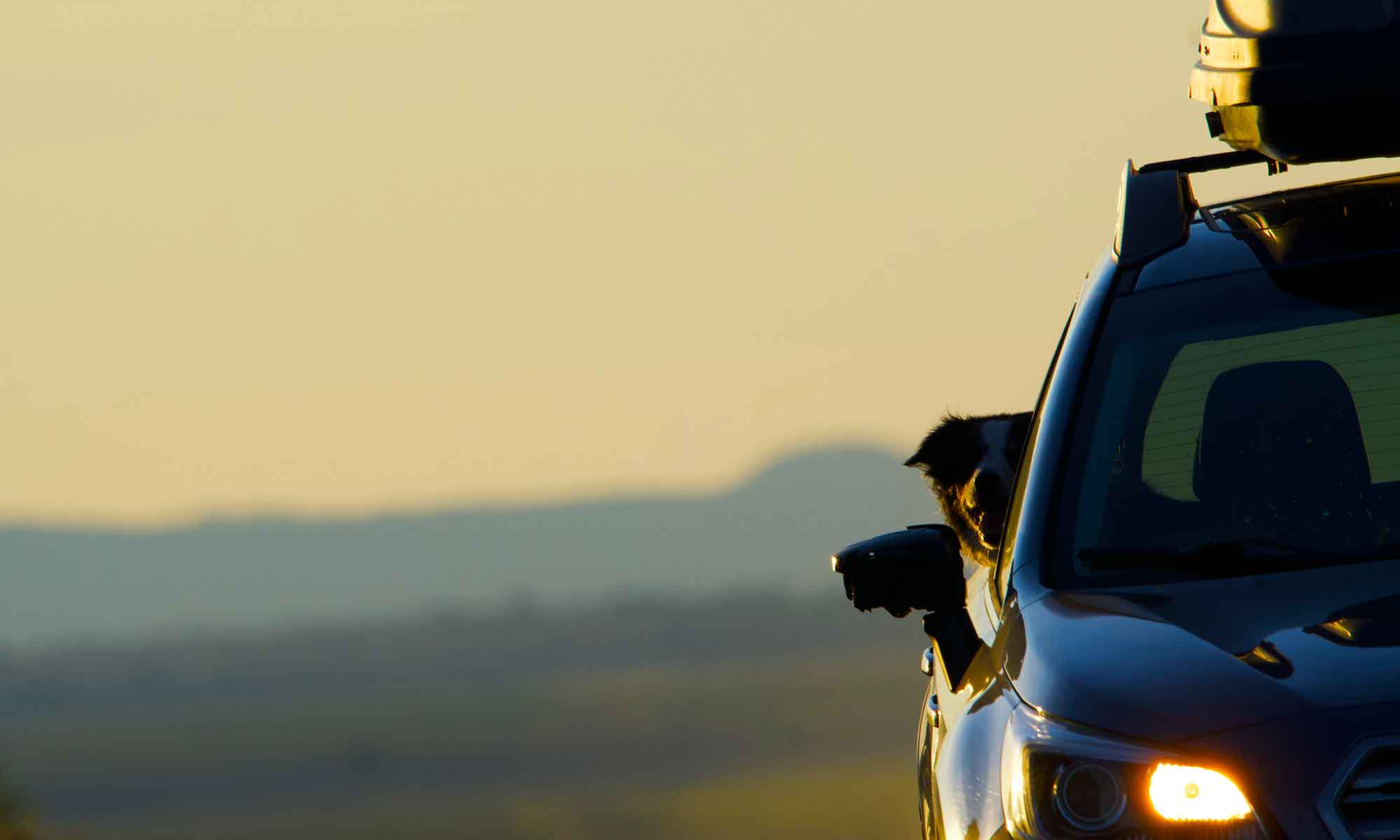
Roadworthy

We’ve had our share of ‘risks’ including tumbleweed blocked roads, broken bones, gashes needing stitches, flat tires and dead car batteries.

It’s winter and though we’ve yet to see snowfall, the signs are there. The season has changed. For that reason we’re doing what we always do this time of year.

No  .  .  .  not decorating a tree  .  .  .  we’re putting snow tires on the Subaru.

Taking advantage of a wide spot, while exploring the Great Basin of Central Oregon

For close to three decades an all-wheel drive wagon has served us well. We don’t pamper our cars, they get regular service, but also put on lots of miles.

We’ve driven around wildfires, washed out roads, roaming livestock, and downed trees.

We subscribe to the adage ‘the journey is as important as the destination’ and these treks don’t always take the well traveled route.

To ensure a trip is roadworthy, there are bins, bags and crates carefully packed with essentials.

The high desert is a maze of two track dirt paths and we’ve navigated our share.

We mostly rely on paper maps to show landmarks, as well as numbered roads. Two cloth sleeves tucked into seat pockets are filled with USFS, BLM and USGS topo maps covering every corner of the state.

Some items are semi-permanently stowed; cooking gear, shovel, axe and bucket, water, first aid and simple auto repair kits. The changing seasons require some stores get shifted.

For winter we’ve re-stocked the hot cocoa mix and pulled out the bug spray. Our goal  .  .  .  a standard kit for the road.

Always ready for new adventures

In addition, there are camera cases, a drone, and at least one tripod. Extra socks, hats, and coats are packed neatly in a duffel, which winter necessitates.

Drone pilot prepping for flight  .  .  .  Fort Rock, Lake County, Oregon

You can’t forget sustenance. We don’t picnic in the classic cold chicken and potato salad sense.

Meals are small, pulled from a variety of bento boxes over the course of a day. We choose from a couple of coolers the smaller is good when we’re not hauling cold drinks.

Part of Oregon’s outback, Summer Lake Wildlife Area

We’ve developed these systems so at a glance you can tell the car is packed for the trip. Something may get left out  .  .  .  but it’s rarely of consequence.


Return Again

Crooked River, fisher and the watcher

Any reader of this blog will have figured out we venture to the same places with regularity. This is by design.

Our explorations are, to some degree, dictated by the change in seasons. Like the adage ‘you never step in the same river twice’.

We go to canyons to explore rivers, the high desert to find wildlife and mountains to uncover minerals.

Lower Deschutes River

There’s interest in the place, but of equal importance is the journey there.

A spot in the winter offers something different than it will in the summer. This is less a measure of temperature and more a matter of a shift in flora and fauna.

There’s always a new trail to follow

There are times when roads are impassable or the sun’s heat becomes unbearable. We time an excursion, when possible, to variants of weather. One can fish the year around. The only obstacle  .  .  .   road conditions.

Rivers in warm months are a pleasant picnic. As the season turns cold, there are fewer fishers but just as many fish.

Summer Lake Wildlife Refuge at start of fall migration.

Migratory patterns help predict when Summer Lake will have its greatest number of species.

Winter Ridge in December

But there are always birds and Winter Ridge makes a very photogenic backdrop capped with snow. Each season offers it’s own photo op.

Rock hounding is great adventure to unique locations. We’ve uncovered interesting stones while being treated to beautiful views.

Summer’s heat is not the best time to be chiseling away at a rock face or scraping a hole in the desert floor. But from winter to late spring the road in is a mud trap. Again  .  .  .   it’s a matter of timing.

Sunrise behind Fort Rock

It’s nice to discover a new place, turn down a different road, or frame a special photo. However, often the change isn’t a location but time of year.

To those places we enjoy, we’ll always return again.

Cascade Lakes Loop

A great view of the road ahead

A series of mountain lakes, trail heads and the headwaters of the Deschutes River are paralleled by a road.

The Cascade Lakes Highway runs from Highway 158 (Willamette Pass road), north along the eastern slope of the Cascade Range, skirts the western edge of Mount Bachelor, before dropping into Bend, Oregon.

Clouds cling to the peak of Mt. Bachleor

We drive this route nearly every season, but from late November to Mid-May snow closes the highway.

By the middle of summer, the traffic is thick, especially on the Bend and Bachelor end of the road. However, a mid-week trek is usually light on tourists, bikers and hikers.

A mountain marsh on the edge of Sparks lake

Sparks Lake is an iconic photo location and for good reason.

There is a massive wetland framed by rocky crevices of Bachelor and dotted with seasonal wildflowers, as well as wildlife.

Thistle sways gently amid marsh grasses

August flora is primarily tiny little blossoms tucked in the dense green marsh grasses.

As for wildlife this stop, we caught sight of a flock of Canada Geese resting where lake and marsh meet.

The best sighting was of tiny frogs, hundreds of hopping reptiles, no bigger than your thumbnail.

They made navigating the boggy marsh an adventure. Let me just say  .  .  .  these little guys weren’t the only thing hopping.  

Head waters of the Deschutes River

Of course the most common stop for us on this road is one of the many access points to the Upper Deschutes River. This day our favorite turnout was open.

We found large patches of Fireweed (Rose Pink Willow Herb) along the river’s edge

This stretch of stream offers excellent places for Tip to fetch and swim.

This day we were met with exceptionally high water levels. Levels we’ve never seen in the month of August.

Mosquitoes were less of a problem than in June. We could actually spend time walking along the banks, where the river hadn’t encroached.

Tip got in some wading, though high water made it impossible to swim after sticks.

On the final leg south, our route winds through Ponderosa forests, between two large reservoirs and right up to our back door.

Leaf Fossil Hunt

We’re getting close.

To a rockhound a cut bank rising from a road’s borrow pit draws attention. You might see a wall of stone, a tumble of gravel, or you may not even notice.

Rock pickers see these as a window to  the past. The road builder has conveniently opened a portal into local geology. 

Sedementary rock layers sitting exposed in a road cut

An important aspect of finding fossils and unearthing minerals is understanding time from a  geological prospective.

Sedimentary, igneous, and metamorphic are the three major rock groups. Knowing which type you’re looking at helps one understand what could possibly get chipped out.

Ochoco divide still recovering from wildfire

Understanding how the earth was formed is knowing a measure of geological time  .  .  .  literally millions of years.

This week’s trek took us to a road cut on the crest of the Ochoco divide. There we split apart sedimentary rock layers in search of leaf and twig fossils. 

This high up and still in spring colors

On the geological time line these layers are young, less than fifty million years old and likely encased in mud and sediment on an ancient lake bed.

Volcanic activity pushed these rocks up to form mountains, only to be exposed by a dozer cutting out a logging road.

Leaf fossil

Leaf fossils are one of the few types we’re allowed to collect  .  .  .  dig up some bones and authorities want to know about that. 

But plant material is fair game.  However, it’s not easy work. It’s a fragile dig. You need to carefully split layers of rock to reveal the fossil.

Most plant fossils are from impression fossilization. Layers of sediment and soil bury the plant material leaving an impression or copy showing  a leaf in rather fine detail.

However, there are  times when the plant material gets replaced with minerals and you get a cast fossil.

Often casts are with limbs or twigs and the mineral replacing the plant structure so that rather than a simple ‘image’ you have a physical copy  .  .  .  in rock.

Twig fossils

We picked through tailings and chipped away at rock faces long enough to get some representative examples.

There was no need to fill buckets with rock bound fossils. The goal is to explore some different places  .  .  .  well, and have a picnic in the wilds.

Central Oregon Tour

Happiness is a road trip

We put a lot of miles on the Subaru this week  .  .  .  kind of a Central Oregon tour.

Summer has come on with a vengeance, but the rivers are still running too high to fish. The alternative is checking on places where we will be fishing soon.

High Desert spring green is short lived.

The Deschutes River canyon is dressed in spring colors  .  .  .  green and yellow. there are still a couple of weeks before the rafters take over.  We hope we can work in a fishing excursion before then.

This grain field will only be green for a few more weeks  .  .  .  Mt. Adams in background still wearing winter cap

The Crooked flow never really went down at the end of winter, so it is just now getting flow rates that allow fishing at all.

But this hasn’t stopped us from taking a picnic lunch stop at one of many great spots up there.

Cottonwood Canyon and the lower John Day River

We even managed to get to the Lower John Day River, Cottonwood Canyon, Colton and Service Creek.

Again beautiful country, freshly greened for spring, but extremely high levels on the river.

In the end we did some birding around Abert and Summer Lake.

That proved to be a bit premature for the summer migration, but we managed some great bird images for the blog.

A Black-necked Stilt forages in a mudflat

With the return of warm dry weather we’ll be getting out a lot more in the coming weeks.